National Dish Pakistan: Falooda (Recipe)

In this article
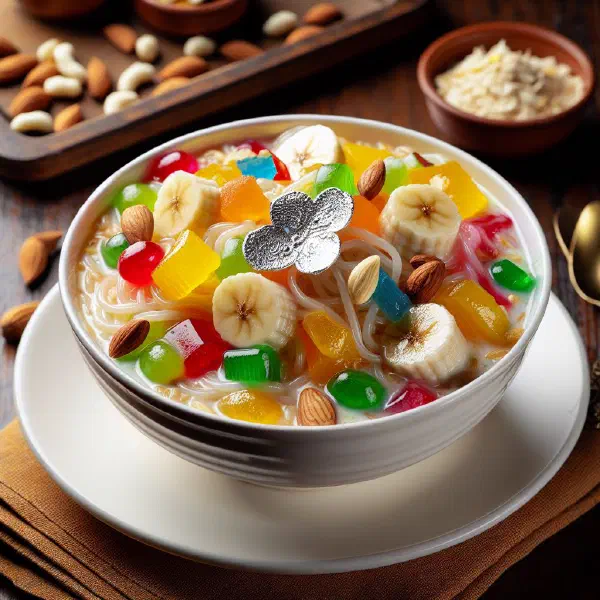
Meet Falooda, Pakistan’s most refreshing answer to a scorching summer’s day. This cooling dessert layers silky vermicelli, plump chia seeds and fragrant rose water with cold milk, then crowns the whole thing with a scoop of ice cream. It is as much a feast for the eyes as it is for the palate, and one spoonful explains why this jewel-toned treat is loved right across South Asia. Bring a taste of Pakistan to your own table with this simple, joyful recipe.
About Falooda
Falooda is a traditional dessert from Pakistan that comes into its own during the hottest months of the year. It combines sweet noodles, chia seeds and a range of aromatic ingredients to create a cooling, indulgent finish to any meal. The star of the show is the scent of rose water, which lends Falooda its unmistakable, alluring character. The interplay of textures and flavours appeals to almost everyone who tries it, and it is little wonder that this dessert is treasured well beyond Pakistan’s borders.
Ingredients (serves 1–2)
- 200 ml milk
- 50 g vermicelli noodles
- 1–2 tablespoons chia seeds
- 2 tablespoons sugar (to taste)
- 2 tablespoons rose water
- 2 scoops vanilla ice cream
- Chopped nuts (such as almonds and pistachios), to decorate
- Fresh fruit of your choice (such as mango or strawberries), to decorate
Shopping for the ingredients
To make Falooda, it is important to buy every ingredient fresh and of good quality. Many of them, such as vermicelli noodles and chia seeds, are easy to find in larger supermarkets or specialist Asian grocery shops. Make sure the rose water you choose is of a high quality, as it has a big influence on the overall flavour of the dessert. It is also worth picking out fresh fruit to lift the dish both in taste and in appearance.
Preparing the dish
Preparing Falooda is fairly straightforward, though it does call for a little planning, especially where the chia seeds are concerned. These need to soak in water for at least an hour so they can swell into their gel-like consistency. The vermicelli noodles must be cooked and cooled before they go into the dessert. It also helps to prepare your chosen fruit in advance, so everything is ready the moment you come to assemble the glasses.
Step-by-step instructions
- Moisten the chia seeds in a small bowl with plenty of water and leave them to swell for an hour.
- Cook the vermicelli noodles according to the packet instructions, drain and leave to cool.
- In a large bowl, mix the milk, sugar and rose water together thoroughly.
- Add the cooled vermicelli noodles and the swollen chia seeds and stir until well combined.
- Spoon the dessert into glasses and crown each with a scoop of vanilla ice cream.
- Decorate with chopped nuts and fresh fruit and serve straight away, well chilled.
Gluten-free / lactose-free version
For anyone who would like a gluten-free or lactose-free version of Falooda, this is easily done. In place of the usual vermicelli noodles, you can use gluten-free varieties made from rice or other gluten-free flours. For the lactose-free version, plant-based milk alternatives such as almond or soya milk work beautifully. The vanilla ice cream can likewise be swapped for a lactose-free or vegan version, making the dessert something everyone can enjoy.
Tips for vegans and vegetarians
Falooda is simple to make vegan or vegetarian by replacing the animal products such as milk and ice cream with plant-based alternatives. Instead of ordinary vanilla ice cream, reach for almond, coconut or soya ice cream. Take care that any sugar you use is unrefined, so it meets vegan requirements. Fresh fruit and nuts are naturally vegan and can be added freely to bring extra nutrients and flavour to the dish. A dollop of coconut-based Lassi makes a lovely dairy-free accompaniment.
More tips and tricks
To make the most of your Falooda, feel free to experiment with different flavours and additions. Try stirring in spices such as cinnamon or cardamom to give the dessert a special note, or use other flavoured syrups to lift the sweetness. Just remember to keep the balance between sweetness and the aroma of the rose water, so that every spoonful stays harmonious and never overpowering.
Adapting the recipe to your taste
When it comes to Falooda, there are no limits to your creativity. If you are not keen on nuts, simply leave them out or replace them with crunchy seeds such as sunflower seeds. The recipe can also be adjusted to the season. Use whichever fruits are at their best throughout the year. This keeps the dessert delicious and endlessly varied and exciting.
Ingredient substitutions
Should you have trouble tracking down some of the ingredients for Falooda, there are plenty of alternatives worth considering. The vermicelli noodles, for instance, can be swapped for similar noodles such as glass noodles. When it comes to fruit, berries or stone fruits harmonise just as well with the dessert. Experiment a little to create your very own version of Falooda, much as you might tweak a bowl of creamy Kheer to suit your taste.
Drink pairing ideas
To round off your Falooda experience, refreshing drinks that complement the dessert’s aromas are ideal. Sparkling water with a squeeze of lemon makes an excellent partner, while a fresh mint tea or a chilled Masala Chai are lovely companions too. For an extra-special touch, you might serve a fruity Lassi, which pairs well with so many Indian and Pakistani desserts.
Serving and presentation ideas
Presentation is an important part of serving Falooda. Use stylish glasses or decorative bowls to show the dessert off at its best. You can highlight the layers by spooning the ingredients into the glass one at a time, building up a striking effect. A garnish of fresh herbs such as mint, or an artful arrangement of fruit pieces, ensures the dessert not only tastes wonderful but looks the part too.
A bit of history
The roots of Falooda stretch back centuries and are closely tied to Mughal cuisine. Originally introduced from Persia, it made its way across the Indian subcontinent and continued to evolve there. It became especially popular in the region of present-day Pakistan, where it grew into an indispensable dessert during the summer months. It is far more than a simple sweet. It carries genuine cultural weight and is often served at festivals and celebrations, taking pride of place among the many desserts of Pakistani cuisine.
More recipe ideas
Summary: Falooda
To sum up, Falooda is a delicious and versatile dessert that impresses with both its flavour and its presentation. With only a handful of ingredients and a simple method, it makes the perfect finish to any celebration or a relaxed evening meal. It is a treat for all the senses and can be adapted however you please. Let the aromas and textures of Falooda work their magic, and bring a touch of Pakistan into your own kitchen.