National Dish Pakistan: Haleem (Recipe)
In this article
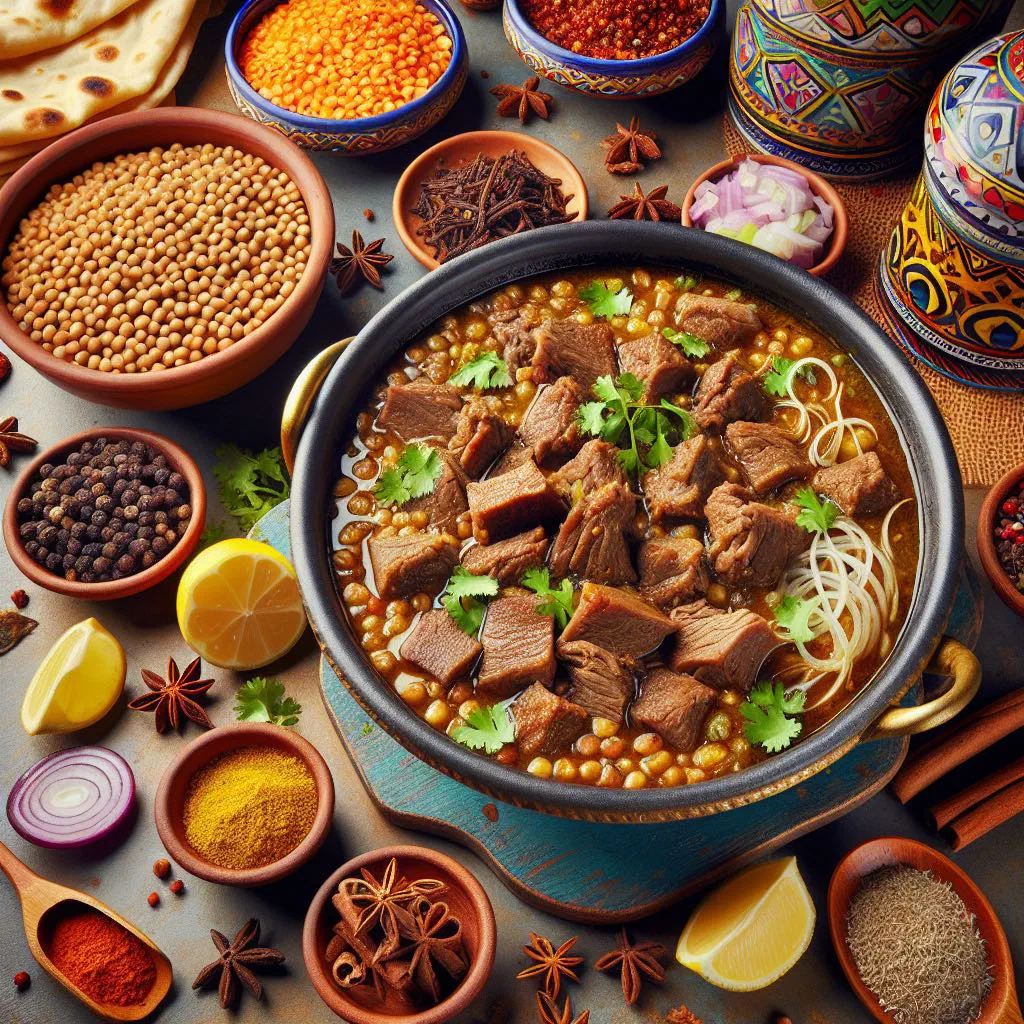
Meet Haleem, one of Pakistan’s most cherished slow-cooked dishes. Blending wheat, lentils and tender meat into a thick, porridge-like feast, it rewards patience with a deeply savoury, velvety richness that few other dishes can match. Simmered for hours until every grain melts into the next, haleem is a symbol of hospitality and togetherness, the kind of comforting bowl that draws family and friends around one table.
About Haleem
Haleem is a traditional dish from Pakistani cuisine, prized for its hearty flavour and its wonderfully creamy consistency. It is built from a mixture of wheat, lentils, meat and a generous array of spices. Preparing it takes time and patience, because the ingredients need to cook for hours to reach that perfect, silky texture. It is typically served at festive occasions and is a symbol of hospitality and togetherness.
Ingredients (serves 1–2)
- 100 g wheat
- 50 g lentils (red or yellow)
- 200 g meat (chicken or beef)
- 2 onions, finely chopped
- 4 cups water
- 1 tsp cumin
- 1 tsp garam masala
- Salt to taste
- Fresh coriander leaves, to garnish
Shopping for the ingredients
Buy the wheat and the lentils from a health-food shop or an Asian grocery to make sure they are as fresh as possible. The meat can be chosen to suit your taste; chicken is the lighter option, while beef delivers a more intense, robust flavour. Many shops also stock ready-made haleem spice mixes, which can take some of the effort out of the preparation.
Preparing the dish
Before you start cooking haleem, it helps to get the ingredients ready. The wheat should be soaked overnight to shorten its cooking time. The lentils, too, should be rinsed thoroughly and set aside. Peel and finely chop the onions, as they form the essential base of the flavour. The spice selection can vary, but a well-chosen blend will lift the dish considerably.
Step-by-step instructions
- Rinse the wheat and lentils well, then bring them to the boil in a large pan of water.
- Add the meat and let it simmer gently over low heat until it is tender.
- In a frying pan, cook the onions until golden brown, then stir them into the meat.
- Add the spices and stir well so the aromas can develop.
- Continue cooking until the whole mixture has reached a smooth, creamy consistency.
- Garnish with fresh coriander leaves and serve.
Gluten-free / lactose-free version
Making haleem gluten-free or lactose-free is entirely possible. Use gluten-free lentils and wheat alternatives such as quinoa or rice. Instead of butter, you can reach for plant-based oils to fry the onions. The dish stays every bit as tasty and creamy even without the conventional ingredients. With these adjustments, anyone with an intolerance can enjoy it too.
Tips for vegans and vegetarians
Vegan and vegetarian versions of haleem are easy to put together. In place of meat you can use mixed vegetables or tofu to build rich, layered flavours. A larger quantity of lentils also makes for a nourishing base. Be sure to use the spices generously to draw out the full flavour potential. This matters especially when the meaty taste is absent. These alternatives offer a delicious, wholesome option that is just as satisfying, much like a comforting bowl of Daal Chawal.
More tips and tricks
A key tip for making haleem is to use a pressure cooker, which cuts the cooking time down dramatically. It is also worth letting the dish rest overnight so the flavours have time to deepen. To make the most of that comforting quality, serve it with fresh naan, chutney or a squeeze of lemon. Finishing the dish with crispy fried onions or toasted nuts adds a lovely crunch and an extra layer of flavour.
Adapting the recipe to your taste
Adapting the haleem recipe to your own preferences can be a rewarding adventure. Experiment with different cuts of meat, or try adding exotic spices such as fenugreek. You can also increase the amount of lentils to vary the texture and achieve a fuller flavour. Adding vegetables not only boosts the nutritional value but gives the dish a whole new dimension worth discovering, the same spirit that makes a rich Daal Makhani so satisfying.
Ingredient substitutions
If some ingredients are hard to find, there are plenty of alternatives. In place of wheat you can use gluten-free options such as maize or millet. If cooking with meat is not what you want, seitan or soya mince work well to achieve a similar texture. These swaps make it possible for anyone to enjoy the dish, whatever their availability of ingredients or dietary restrictions.
Drink pairing ideas
The right drink can greatly enrich the experience of eating haleem. Chai, the traditional Pakistani tea, is an excellent companion that complements haleem’s flavours perfectly, a cup of Masala Chai is ideal. Alternatively, refreshing lemonades or freshly pressed juices go well with the dish too. For a special treat, serve a mango lassi: its sweet, creamy note strikes a lovely balance against the savoury flavours.
Serving and presentation ideas
Presenting haleem well can bring the whole table to life. Serve the dish in a large, decorative bowl and garnish it generously with fresh herbs, fried onions and a squeeze of lemon. Placing a few pieces of Naan nearby helps create a welcoming spread. Use colourful plates and side dishes to highlight the contrast and the beauty of the dish.
A bit of history
Haleem has a history that reaches all the way back to ancient Persia. It is believed the dish was brought to South Asia during the reign of the Mughals. In Pakistan, haleem is prepared above all during Ramadan and at festive occasions. Its combination of nourishment and delicious flavour makes it a much-loved dish that fills you up and brings family and friends together, a proud example of Pakistani cuisine.
More recipe ideas
Summary: Haleem
In summary, haleem is a culinary experience that has won the hearts of people in Pakistan and far beyond. With its combination of flavours, textures and a fascinating history, it offers both celebration and comfort. Haleem is a must for anyone keen to get to know Pakistani cuisine.