National Dish Pakistan: Kata Kat (Recipe)
In this article
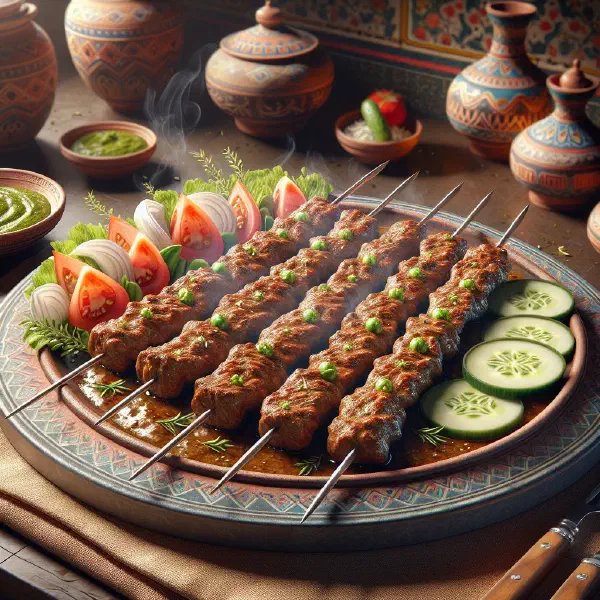
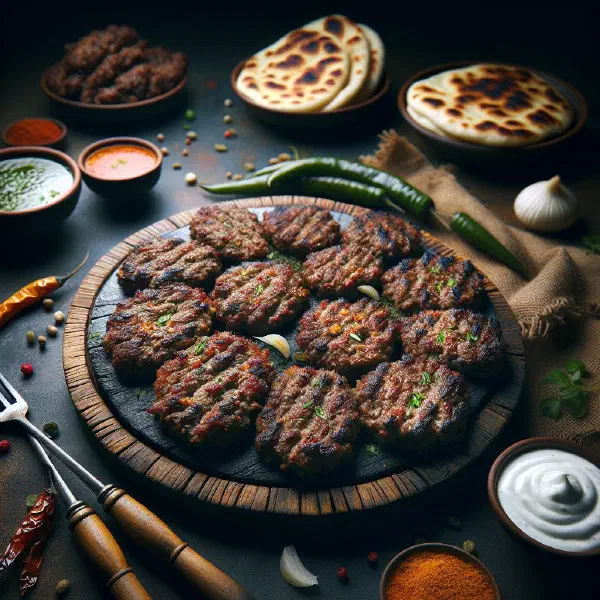
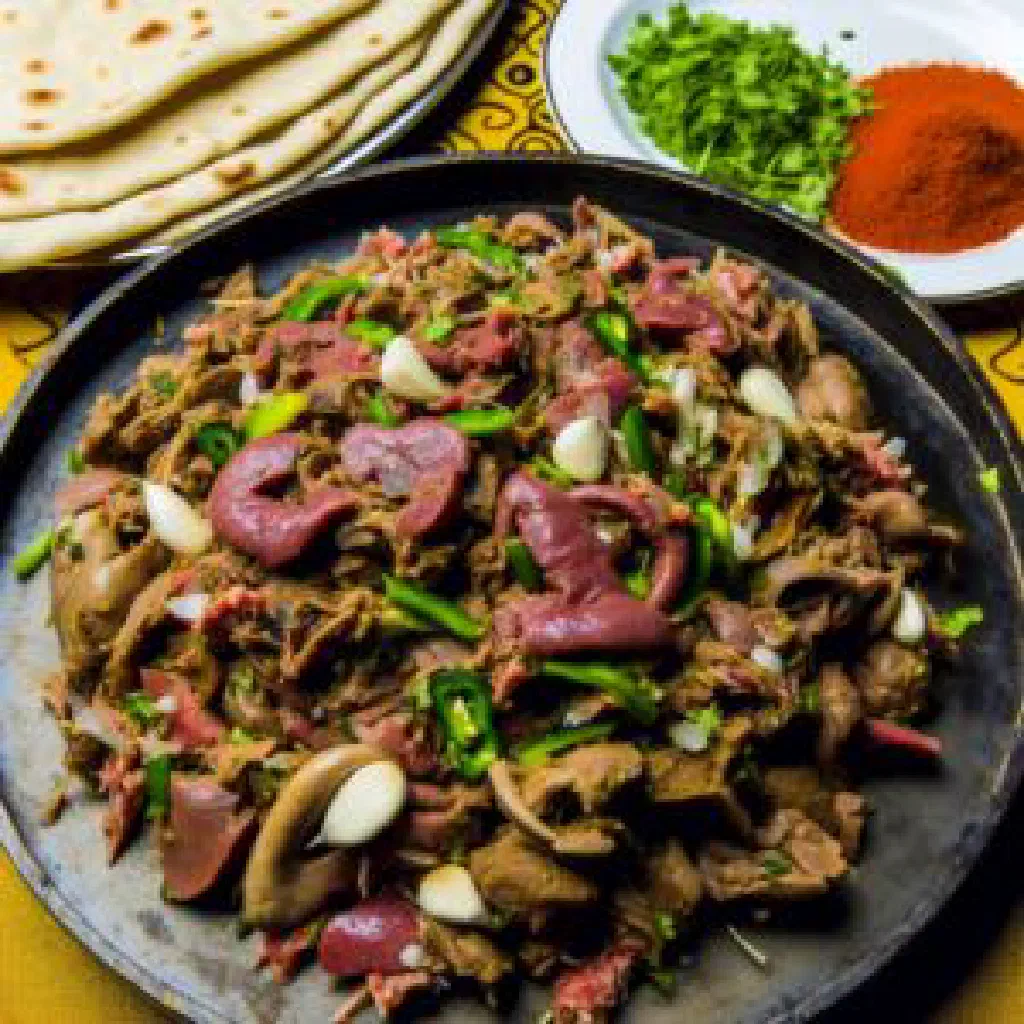
Meet Kata Kat, one of Pakistan’s most theatrical street foods, named for the rhythmic kat-kat clatter of the cleavers as cooks chop and toss the meat across a hot griddle. Tender morsels of lamb or goat are seared over open flames with green chillies and warming spices until they take on a smoky, deeply savoury character. Beloved from the busy bazaars of Lahore to family gatherings across the country, it is a dish built for sharing, and this recipe brings that sizzling stall experience straight to your own kitchen.
About Kata Kat
Kata Kat is a traditional dish from Pakistan that is hugely popular in both cities and the countryside. It is made from tender cuts of meat, usually mutton or goat, and is prized for its intense flavour and generous use of spices. The dish is typically cooked over open flames, which lends it an unmistakable smoky note. Kata Kat is often sold as street food, yet it is equally at home at sociable occasions and family celebrations.
Ingredients (serves 1–2)
- 250 g lamb or goat meat
- 1 onion, finely chopped
- 2–3 green chillies, finely sliced
- 1 teaspoon ginger-garlic paste
- 1/2 teaspoon cumin
- 1 teaspoon garam masala
- Salt to taste
- Oil, for frying
- Fresh coriander leaves, to garnish
Shopping for the ingredients
Shopping for the ingredients for kata kat is an enjoyable part of the whole process. To begin with, make a point of buying fresh meat from a trusted source, as this is crucial to the flavour of the finished dish. Many Asian or Indian grocery shops stock the spices you need, and it is these that give the dish its unmistakable character. Fresh coriander leaves are a must for the garnish and are best bought fresh too, so the aromas stay bright and lively.
Preparing the dish
Preparing kata kat involves a few simple steps that make all the difference to the result. First, cut the meat into small, even pieces so it cooks through uniformly. The onion and green chillies should also be prepared and sliced finely. It is well worth measuring out the spices in advance, too, so that everything runs smoothly once the cooking begins.
Step-by-step instructions
- Heat a little oil in a large pan over medium heat.
- Add the onions and fry until golden brown.
- Stir in the ginger-garlic paste and the green chillies and fry for a further minute.
- Add the meat and sear it well until it begins to brown.
- Season the dish with cumin, garam masala and salt.
- Cover the pan and let the meat cook over low heat until it is tender.
- Garnish with fresh coriander leaves and serve hot.
Gluten-free / lactose-free version
Kata kat is easily made gluten-free and lactose-free. The main ingredients, such as the meat and spices, are naturally free of gluten, so there is no cause for concern if you are avoiding it. Simply use an oil for frying that suits your particular dietary needs. Choose spices that are guaranteed gluten-free as well, to keep any risk of cross-contamination to a minimum.
Tips for vegans and vegetarians
There are ways to adapt kata kat for vegans and vegetarians too. In place of meat you can use vegetables such as cauliflower or aubergine, which take to the spices beautifully. Tofu or seitan also make a good protein-rich alternative. Just remember to adjust the cooking times accordingly, as vegetables cook far more quickly than meat. For inspiration, a hearty Aloo Baingan shows just how well these vegetables carry robust spicing.
More tips and tricks
To get the very best out of your kata kat, a few pointers help. Cook the dish over moderate heat so the meat stays tender and the spices have time to release their full aroma. Stirring constantly during cooking prevents sticking and ensures everything cooks evenly. Experiment with different spices to find your own favourite blend and to tune the flavours exactly to your liking.
Adapting the recipe to your taste
Everyone has different tastes, and kata kat is no exception. You can adjust the heat of the dish by varying the number of green chillies you use. Those who love bolder flavours can add smoked paprika or a special spice blend for extra depth. Tailoring the recipe to your own preferences makes the cooking more creative and ensures the result lives up to your expectations.
Ingredient substitutions
If you are missing some of the ingredients, there are several alternatives to hand. In place of lamb or goat you can use beef or chicken to create a variation on the dish, much like the tender meat that shines in a Mutton Korma or a fragrant Aloo Gosht. The spices are flexible too; if you have no garam masala, for example, you can mix your own from commonly used spices such as coriander, cumin and cinnamon. This flexibility lets you cook kata kat with whatever you happen to have available.
Drink pairing ideas
Certain drinks make an excellent match for kata kat and round off the whole experience. A cool Lassi, the traditional yoghurt drink of the subcontinent, is perfect for balancing the spice. Alternatively, a refreshing mint water or a sweet cup of Masala Chai complements the flavours of the food nicely. A light beer can also be a pleasant choice that won’t overpower the spicy dish.
Serving and presentation ideas
Presentation adds a great deal to the overall enjoyment of kata kat. Serve the dish in a deep bowl and garnish it with fresh coriander and onion rings. Offer freshly baked Naan or chapati alongside, which complement the dish perfectly. Be sure to serve the food as fresh and warm as possible, so the aromas shine at their best.
A bit of history
Kata Kat has its origins in the cultural diversity of Pakistan and is prepared in a range of regional variations. It was originally offered by street vendors in Lahore, where it quickly won a devoted following. Cooking kata kat is a genuine culinary performance, with cooks often applying creative techniques to maximise both aroma and texture. That tradition is still kept alive today and reflects the rich gastronomic culture of the country, a proud pillar of Pakistani cuisine.
More recipe ideas
Summary: Kata Kat
In summary, Kata Kat is an exceptional dish that appeals to with its intense flavours and hearty preparation. It is superb for sociable occasions or as part of a festive buffet. With the right choice of ingredients and a little care in the cooking, you can easily recreate this traditional recipe at home. Let the variety and flavour of this one-of-a-kind dish inspire you.