National Dish Pakistan: Naan (Recipe)
In this article
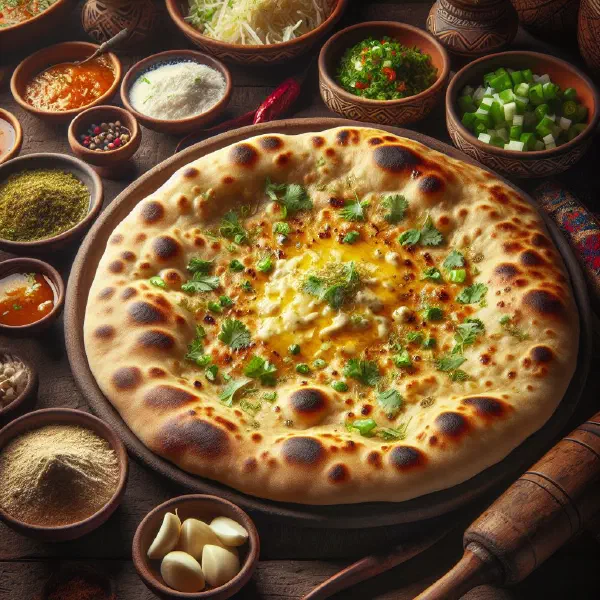
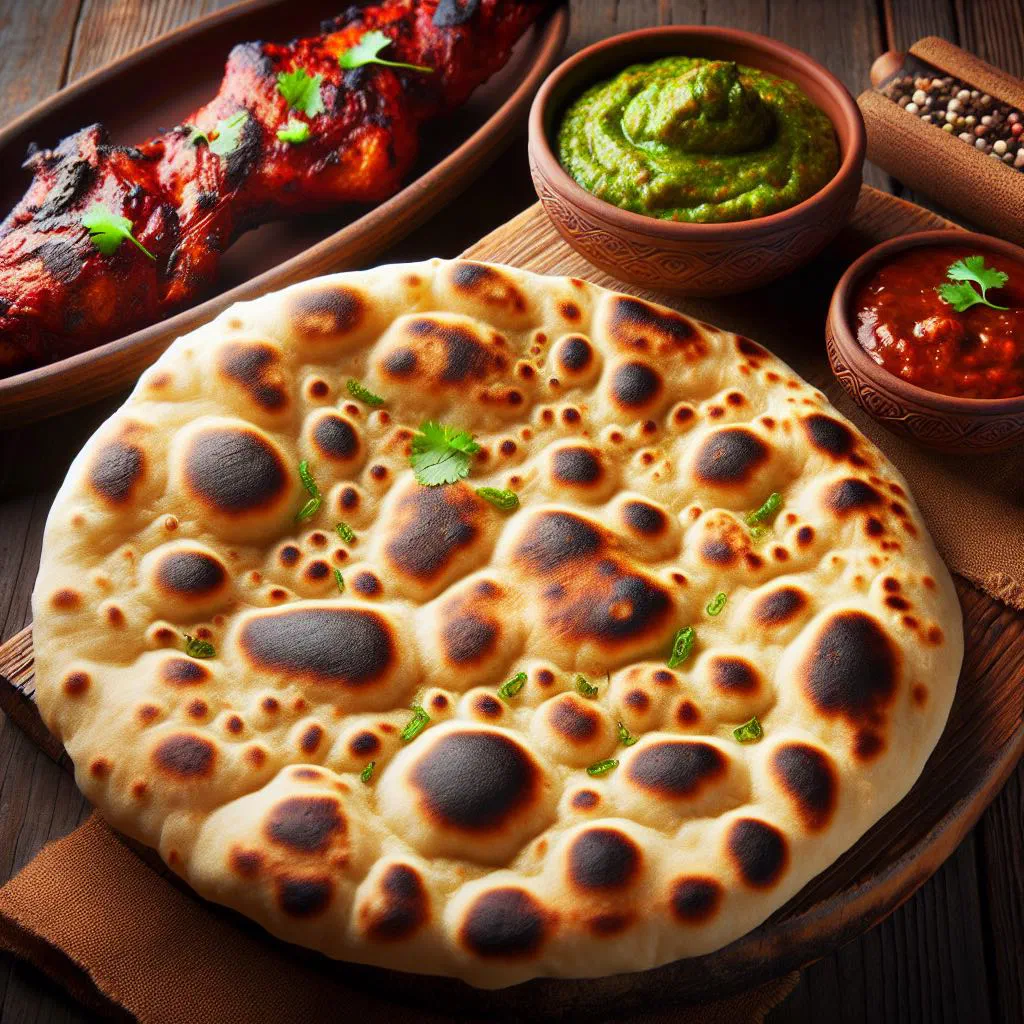
Discover Naan, the soft, pillowy flatbread that sits at the heart of Pakistani cooking. With its cloud-like crumb and gently charred surface, it is the ideal companion to a rich curry or a hearty stew. Traditionally baked in a blazing-hot clay oven, naan carries a subtle smokiness that turns even the simplest meal into a feast. Better still, you can recreate that authentic bakery flavour in your own kitchen with just a handful of everyday ingredients.
About Naan
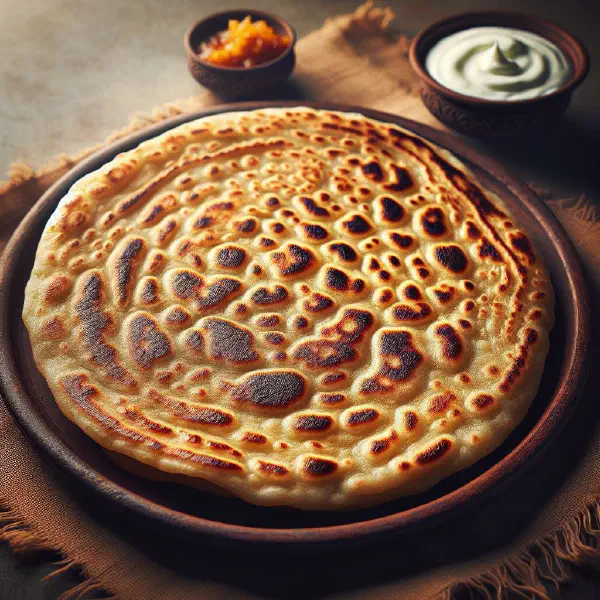
Naan is a traditional flatbread with deep roots in both Pakistani and Indian cooking. It is prized for its wonderfully fluffy texture and its distinctive taste, which make it a much-loved partner to countless dishes. Classically it is baked in a tandoor, a special clay oven, which lends the bread its characteristic smoky note. Whether served alongside a spicy curry such as Chicken Karahi or simply brushed with a little butter, naan has earned its place in many food cultures around the world.
Ingredients (serves 1–2)
- 250 g plain wheat flour
- 150 ml warm water
- 1 tsp dried yeast
- 1 tsp sugar
- 1 tsp salt
- 2 tbsp yoghurt (optional)
- 2 tbsp oil or melted butter
- Optional: garlic or herbs for filling
Shopping for the ingredients
The ingredients for naan are easy to find in most supermarkets. When buying your flour, choose a good-quality plain wheat flour, as this makes a real difference to the finished bread. The dried yeast should be fresh, so do check the best-before date on the packet. Yoghurt is not strictly essential, but it brings a lovely suppleness to the dough and helps keep the crumb tender.
Preparing the dish
Before you start baking, measure out and lay all your ingredients ready. Mix the dried yeast with the sugar and a little warm water, then leave it to rest for around 10 minutes until it turns foamy. In the meantime, combine the flour and salt in a large bowl. Once the yeast has activated, add it to the flour along with the remaining water, the yoghurt and the oil.
Step-by-step instructions
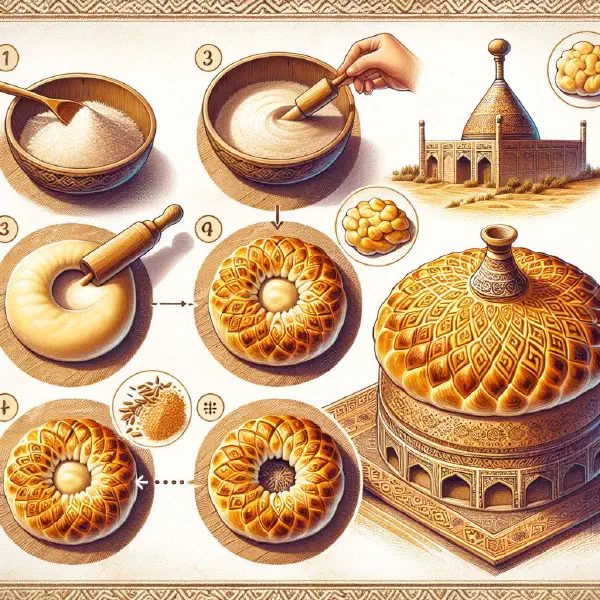
- Combine the flour, salt, yeast-and-water mixture, yoghurt and oil in a bowl.
- Knead the dough on a floured surface for about 10 minutes, until it is smooth and elastic.
- Leave the dough to rest in a lightly oiled bowl in a warm spot for 1–2 hours, until it has risen.
- Once risen, divide the dough into equal portions and roll each one out on a floured surface.
- Preheat the tandoor or a heavy pan over a medium heat and bake the naan for 2–3 minutes on each side.
- Serve the naan warm, straight from the tandoor or pan, and enjoy it with your favourite dish.
Gluten-free / lactose-free version
For a gluten-free version of naan, you can use a blend of rice flour and cornflour. Be sure to choose a gluten-free yeast as well. To make the naan lactose-free, simply swap in a plant-based yoghurt alternative and use oil instead of butter. These small adjustments make it easy to bring naan to a much wider range of guests without anyone missing out.
Tips for vegans and vegetarians
Naan is straightforward to adapt for vegans: just replace the yoghurt with a plant-based alternative. It is also worth checking that the oils and other ingredients you use are free from animal products. Adding herbs or spices makes the bread even more flavoursome and pairs it beautifully with all manner of plant-based dishes. You might also try folding a filling of spinach or mushrooms into the dough to create a satisfying savoury snack.
More tips and tricks
For an extra-delicious finish, brush the naan with melted butter or a garlic butter as soon as it comes out of the oven. Experiment with different fillings, such as cheese or chopped herbs, to create your own signature version. A handy trick: lay the naan on a sheet of foil before baking so you can slide it into the tandoor or pan more easily. This also helps the bread bake evenly and stops it sticking to the surface.
Adapting the recipe to your taste
The naan recipe is wonderfully versatile and easy to tailor to your own preferences. Like a bit of heat? Work some chilli powder or fresh chillies into the dough. You can also play with different herbs or spices to build unique flavour combinations. Really it is all about experimenting with various ingredients until you land on the perfect blend for you.
Ingredient substitutions
If you do not have plain wheat flour to hand, you can also use wholemeal flour or spelt flour for a more wholesome loaf. The sugar can just as easily be swapped for honey or maple syrup if you prefer. Coconut sugar is another healthy option that gives the naan a distinctive sweetness.
Drink pairing ideas
A perfect drink to serve with naan is a chilled mango Lassi, which offers a fruity, refreshing contrast. Tea lovers might reach for a good Masala Chai, whose warm spices harmonise beautifully with the bread. An ice-cold sparkling water can also make a welcome, palate-cleansing accompaniment to a spiced naan. It is well worth experimenting with these drinks to round off the whole experience.
Serving and presentation ideas
The way you present naan can noticeably lift the meal. Serve it on a decorative plate, perhaps garnished with a little fresh coriander or mint. Use colourful bowls for dips or sauces to create an appealing visual contrast. A thoughtful presentation heightens the anticipation and makes the food all the more inviting.
A bit of history
Naan has a long and fascinating history that stretches back a very long way. It is thought to have been baked as a simple flatbread in the cooking of the subcontinent more than 2,000 years ago. Today people all over the world enjoy naan, both as part of their own culinary heritage and as a favourite in restaurants. This tour underlines the versatility and popularity of the bread, making it a true highlight of Pakistani cuisine and Indian food culture alike.
More recipe ideas
Summary: Naan
Naan is an indispensable flatbread in Pakistani cooking, and it lends itself to endless variations. With a simple combination of just a few ingredients, you can create delicious versions that enrich any meal. Whether classic, filled or in a gluten-free form, naan has something to offer every taste. Let the art of naan-baking inspire you and bring a piece of Pakistani food culture into your own home.