National Dish Pakistan: Paya Nihari (Recipe)
In this article
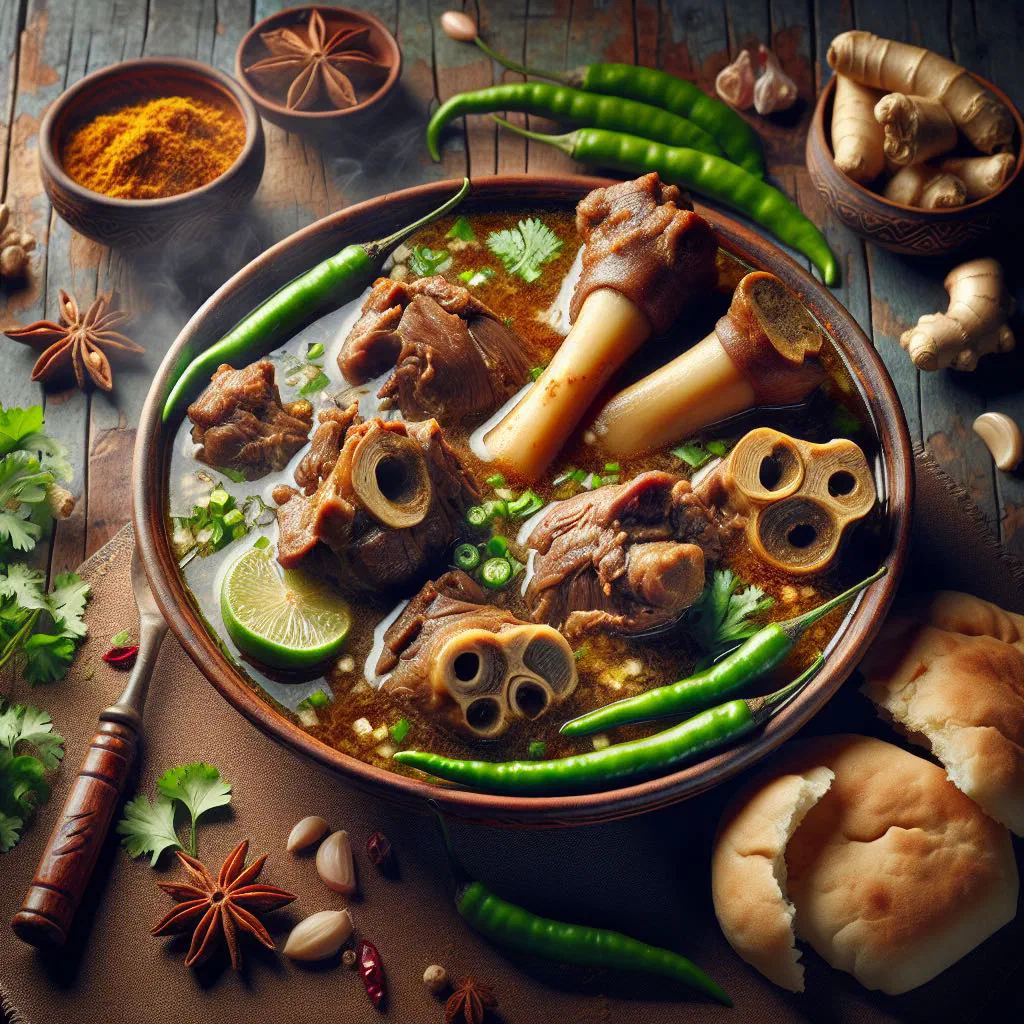
Discover Paya Nihari, one of Pakistan’s most cherished national dishes. This hearty stew brings together meltingly tender meat and a fragrant blend of spices, simmered patiently until the flavours turn deep and rich. Traditionally reserved for festive gatherings and family celebrations, it is the kind of dish that fills the kitchen with warmth and turns any meal into an occasion. Bring the soul of Pakistani cooking straight to your own table.
About Paya Nihari
Paya Nihari is a hugely popular national dish from Pakistan that unites long-standing tradition with deeply savoury flavour. It is a creamy stew made from tender beef or lamb that simmers overnight, developing an astonishing intensity of taste along the way. A generous mix of aromatic spices, including cumin, coriander and ginger, gives the dish its unmistakable character. Paya Nihari is most often served at festive occasions or family get-togethers, and it is a genuine highlight of any meal.
Ingredients (serves 1–2)
- 500 g beef or lamb trotters (paya)
- 1 large onion, finely chopped
- 2–3 cloves of garlic, crushed
- 1 piece of fresh ginger (about 2 cm), grated
- 2–3 tablespoons ghee or oil
- 1 teaspoon cumin seeds
- 1 teaspoon ground coriander
- 1/2 teaspoon red chilli powder
- Salt to taste
- Water
- Fresh coriander leaves, to garnish
- Lime wedges, to serve
Shopping for the ingredients
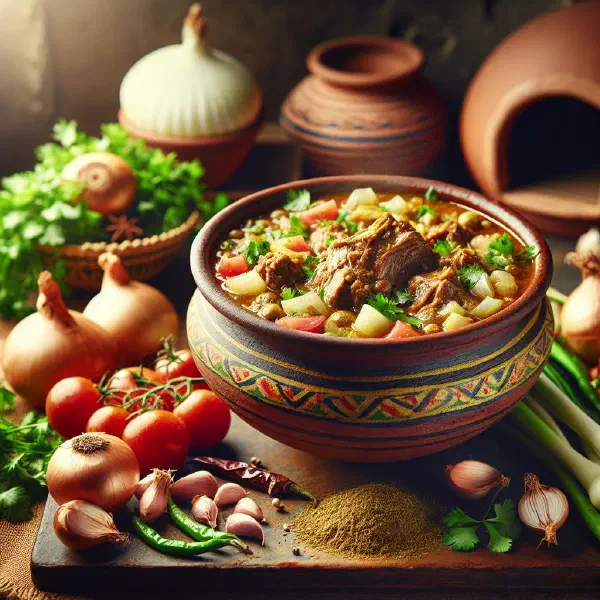
The ingredients for paya nihari are easy to find in most Asian supermarkets or in shops that specialise in Middle Eastern groceries. Do take care to choose good-quality meat to achieve the best result. Pay particular attention to the freshness of the spices, as this really intensifies the aromas. Home-made spice blends can lend the dish a personal touch and make it even more fragrant.
Preparing the dish
Before you start cooking paya nihari, it is important to prepare all the ingredients carefully. First chop the onion and crush the garlic. Make sure the ginger is fresh and grated so it releases its full aroma. Good preparation is crucial to the cooking that follows, as the various spices come into their own when they are added in a controlled, efficient way.
Step-by-step instructions
- Heat the ghee or oil in a large pot and fry the chopped onion until golden brown.
- Add the garlic and ginger and sauté briefly.
- Stir in the cumin seeds and the ground spices, mixing well so the aromas are released.
- Add the paya (pieces of meat) to the pot and brown them well on all sides.
- Deglaze with plenty of water so the meat is fully covered, then bring to the boil.
- Cover the pot and let it simmer over low heat for at least 6–8 hours.
- Once cooked, adjust the seasoning to taste and garnish with fresh coriander leaves and lime wedges.
Gluten-free / lactose-free version
Paya Nihari is naturally a dish that contains no gluten-based ingredients, so you can make it without any trouble even if you are sensitive to gluten. For a lactose-free version, replace the ghee with a plant-based oil or margarine. If you serve naan or paratha alongside, be sure to choose gluten-free alternatives so the whole meal stays gluten-free.
Tips for vegans and vegetarians
Paya Nihari is traditionally meat-heavy, but there are ways to create a vegan or vegetarian version of the dish. Replace the meat with large cubes of vegetables or pulses. Chickpeas, lentils or jackfruit work well and can offer a similar texture. The spices should still be used to give the dish its authentic flavour. Take care to adjust the cooking times, since vegetables cook far more quickly than meat.
More tips and tricks
An important tip when cooking paya nihari is to cook the dish slowly and over low heat. This lets the meat turn tender and allows the aromas to develop to their fullest. Another handy trick is to use a pressure cooker to shorten the cooking time without compromising the flavour. Mixing the ingredients and spices in advance ensures the taste is distributed evenly throughout.
Adapting the recipe to your taste
Everyone has their own preferences, and the lovely thing about paya nihari is how easily it can be adapted. If you like a milder flavour, reduce the amount of chilli powder and experiment with the spices to make the dish just how you like it. You can also change the type of meat, beef, lamb or even poultry, to discover new flavour combinations.
Ingredient substitutions
If some ingredients are hard to find, there are plenty of alternatives. For instance, you can use oil instead of ghee if ghee is not available. Some spices can be swapped for similar ones, fennel seeds in place of cumin, for example, or a little turmeric for an extra hit of colour and goodness. Stay open to different options and enjoy the flexibility that cooking allows. A related pot of Nihari or hearty Aloo Gosht shows just how adaptable these meat-and-spice classics can be.
Drink pairing ideas
Traditional drinks such as Masala Chai or a Lassi pair perfectly with paya nihari. These offer a refreshing counterpoint to the rich meal and harmonise beautifully with the dish’s spices. A glass of cold water or unsweetened iced tea can also be an excellent choice to balance the robust flavour. Try different combinations to find the perfect accompaniment for you.
Serving and presentation ideas
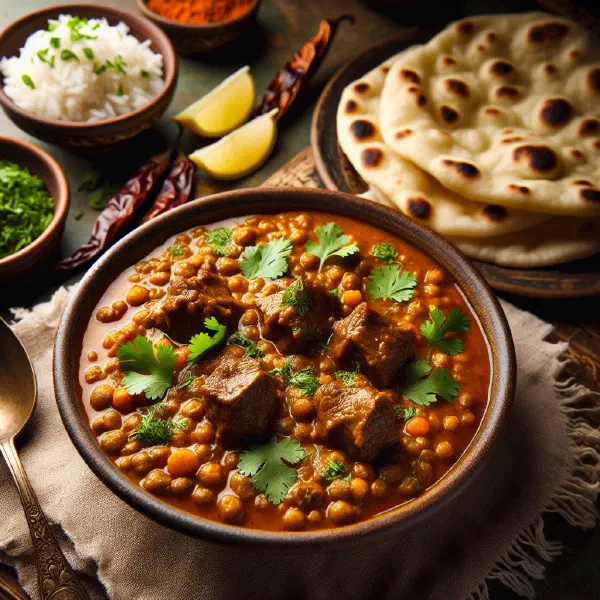
Presentation can play an important part in the enjoyment of paya nihari. Serve the dish in an attractive, deep bowl and garnish it generously with fresh coriander and lime wedges. Alongside, offer freshly baked Naan or paratha arranged on a separate plate. At a family gathering, several small dishes of different spices can be set out for guests to help themselves, giving everyone the chance to experiment.
A bit of history
Paya Nihari has its origins in Mughal cuisine and comes from the region of Delhi. The name “Nihari” derives from the Arabic word “nahar”, meaning “morning”, as the dish was traditionally served in the morning to give people an energising start to the day. Over the centuries the recipe has evolved, but its essence and cultural significance endure to this day. It is a symbol of hospitality and meaningful family gatherings within Pakistani culture, and a proud example of the wider Pakistani cuisine.
More recipe ideas
Summary: Paya Nihari
Paya Nihari is a delicious, tradition-rich dish that has won the hearts of people all over the world. With its combination of tender meat, aromatic spices and a warm, generous way of cooking, it is the perfect feast for special occasions. Whether at a family gathering or as comfort food, this dish brings the very best of Pakistani cuisine to the table. Try it for yourself and enjoy the rich flavours and the family bonds it creates.