National Dish Pakistan: Paye (Recipe)
In this article
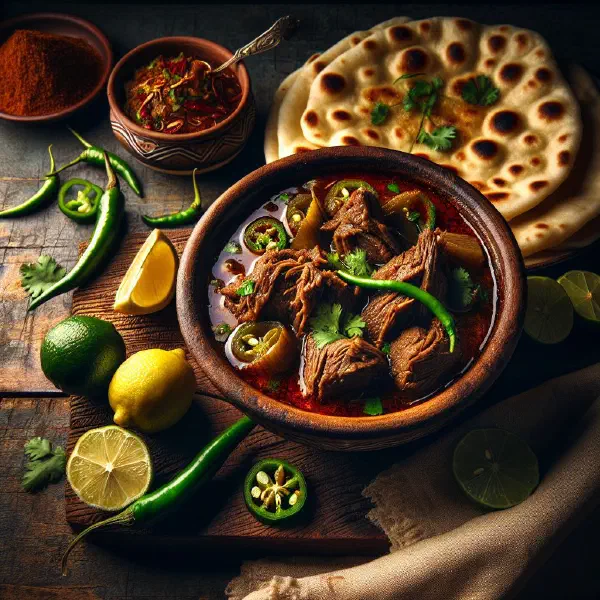
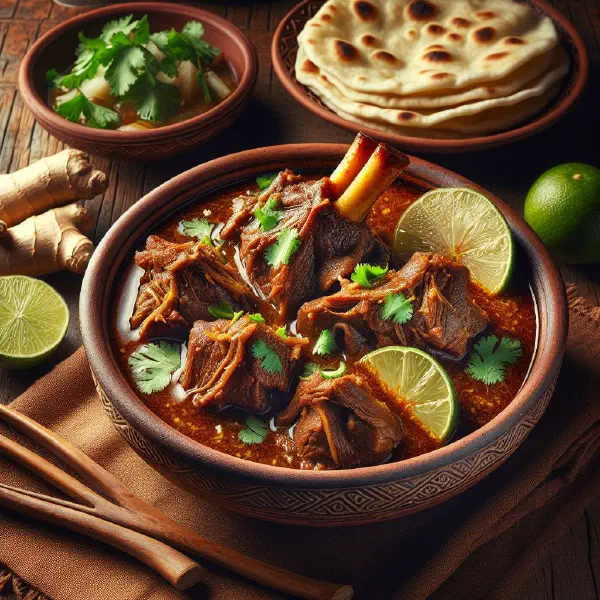
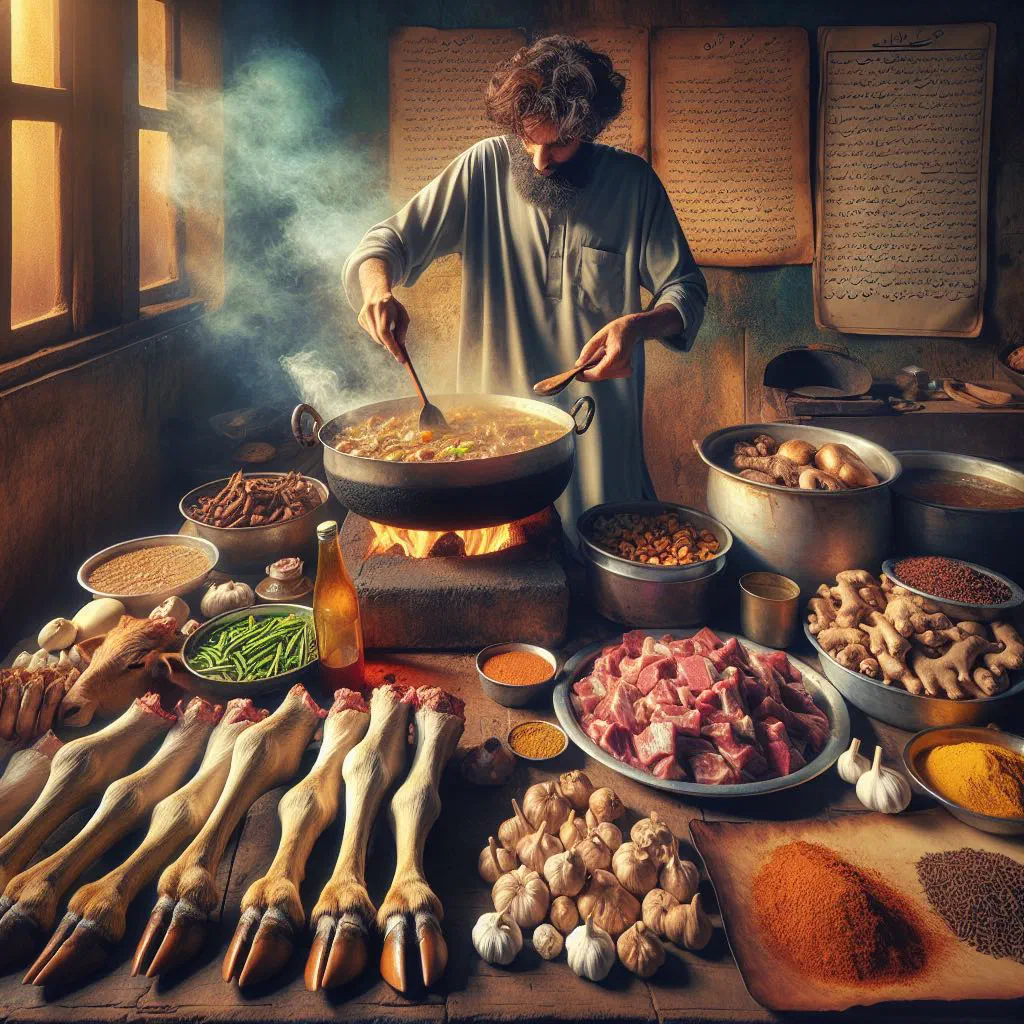
Discover Paye, a rich and soulful slow-cooked stew that stands among Pakistan’s most cherished dishes. Meltingly tender trotters are simmered for hours in a fragrant blend of spices until the broth turns deep, glossy and full of body. Traditionally reserved for celebrations and unhurried weekend feasts, it is the kind of dish that fills the whole house with its aroma. Serve it piping hot with warm naan or steaming rice, and you have a plate fit for any special occasion.
About Paye
Paye, also known as Paye ki Nihari, is a traditional Indo-Pakistani dish with its roots in Mughlai cuisine. It is made from tender trotters that are gently braised in an aromatic mix of spices, coaxing out a wonderfully rich and warming flavour. The dish is often served at special occasions or during festive celebrations. The combination of the hearty meat and the carefully chosen spices makes it a genuine feast for the senses, much like a good bowl of Nihari.
Ingredients (serves 1–2)
- 500 g trotters (beef or lamb leg pieces)
- 2 onions, finely chopped
- 4 garlic cloves, chopped
- 1 piece of ginger, grated
- 2 tablespoons ghee or vegetable oil
- 2 teaspoons salt
- 1 teaspoon turmeric
- 1 teaspoon cumin
- 1 teaspoon ground coriander
- 2–3 green chillies, left whole
- 1/2 cup fresh coriander, chopped
- Water, as needed
- Fresh naan or rice, to serve
Shopping for the ingredients
For paye it is important to choose good-quality trotters, as this is the key to a tender and flavourful result. The spices are crucial to the dish’s authentic taste, so they should be fresh and of good quality. Many Asian grocery stores stock the particular spices needed to prepare paye, and a good butcher will happily prepare the trotters for you. It is also worth buying fresh herbs such as coriander shortly before use, so they keep their full fragrance.
Preparing the dish
Before you start cooking, gather and prepare all your ingredients. The trotters should be washed thoroughly and drained well. The onions, garlic and ginger should be finely chopped or grated so their aromas can develop fully. Don’t forget to measure out the spices in advance, so everything is within easy reach and the long cooking process runs smoothly from start to finish.
Step-by-step instructions
- Heat the ghee or oil in a large pot and add the chopped onions. Fry them until golden brown.
- Add the garlic and ginger and fry for a further 2 minutes.
- Add the trotters to the pot and brown them well on all sides.
- Stir in the spices (salt, turmeric, cumin, coriander) along with the whole green chillies, mixing everything together well.
- Pour in enough water to cover the meat and bring it to the boil.
- Reduce the heat and let the dish simmer slowly for 4–6 hours, until the meat is meltingly tender.
- Serve the paye hot, garnished with fresh coriander, alongside naan or rice.
Gluten-free / lactose-free version
The recipe for paye is naturally gluten-free and lactose-free, as it consists mainly of meat and spices. When buying ghee or oil, take care to choose gluten-free products so no unwanted ingredients slip in. This flexibility makes paye a great dish for people with particular dietary needs. If you would like to serve naan or bread alongside it, opt for gluten-free alternatives to keep the whole meal suitable.
Tips for vegans and vegetarians
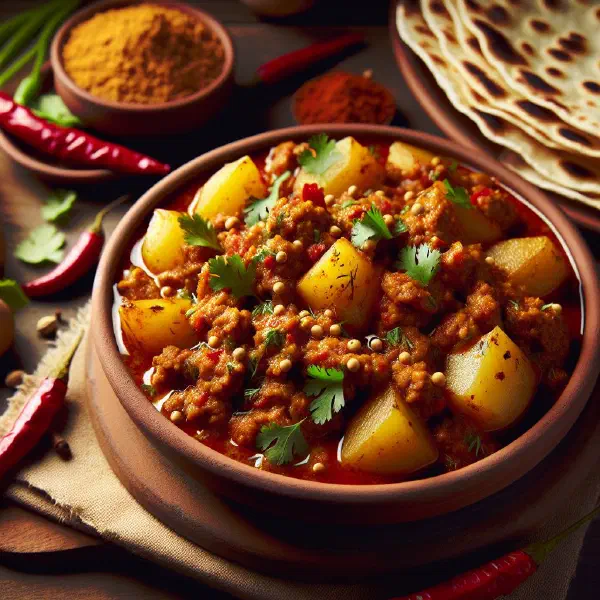
For vegans and vegetarians, paye can be adapted to taste. Instead of trotters, you can use vegetables such as aubergine, potatoes or cauliflower, cooked in the very same spice blend. The result will be a flavourful and hearty vegetable dish that is full of aroma. Be sure to use plant-based oils in place of ghee to meet vegan requirements, in the same spirit as Aloo Baingan.
More tips and tricks
One little trick to intensify the flavour of paye is to marinate the meat overnight in a mixture of yoghurt and spices. This makes for tender meat and gives a deeper flavour note. A longer cooking time over low heat improves the aromas too, as the spices have time to bond with the meat. Experiment with different spices to find your own personal blend.
Adapting the recipe to your taste
The paye recipe leaves plenty of room for personal tweaks. Depending on your preference, you can increase or reduce the amount of salt or spices to suit your palate. An extra squeeze of lime juice just before serving can brighten the dish and lend it a refreshing note. Adding other ingredients, such as chickpeas or other beans, can also give the dish a whole new dimension.
Ingredient substitutions
If you don’t have some of the ingredients for paye to hand, or simply don’t care for them, there are plenty of alternatives. Instead of ghee you can use oil or butter. With the spices you can experiment and, after a little practice, create your own blends. Beef is a fine option if you would rather not use lamb, the very same meat that carries a hearty Aloo Gosht. Every adaptation can reflect your own culinary style.
Drink pairing ideas
Choosing the right drink can complement a plate of paye beautifully. A cool Lassi or a fresh mint water can balance the heat of the dish and offer a pleasant refreshment. Alternatively, Indian beers or traditional drinks such as a spiced Masala Chai pair nicely too.
Serving and presentation ideas
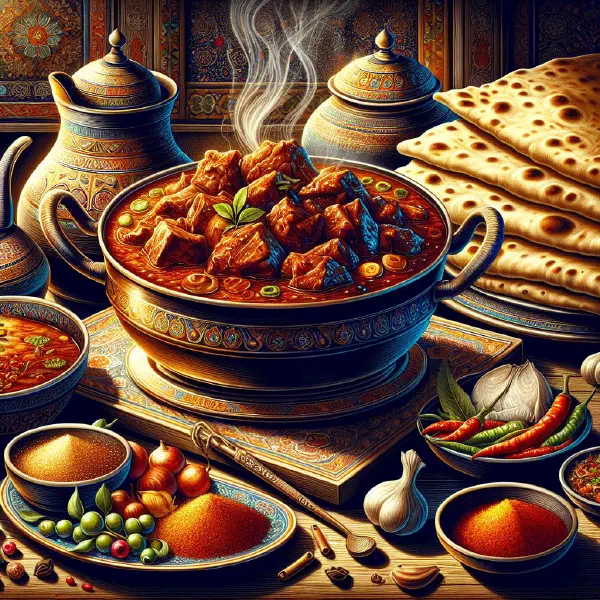
When it comes to presenting paye, you can let your creativity run free. Serve the dish in a large, decorative bowl, garnished with fresh coriander and red onion for a lovely contrast. Set out accompaniments such as pickled vegetables or a cooling raita as well. Finally, the meal can be served at a big table with traditional clay plates and bowls, to create a warm and welcoming atmosphere.
A bit of history
Paye has a history that reaches back to the days of the Mughal Empire. Originally a feast for royal families and their guests, the dish has grown into a much-loved meal enjoyed in many households. It is often seen as a symbol of hospitality and culinary tradition, and many families have their own special recipes handed down from generation to generation. These cultural roots make paye an indispensable part of Pakistani cuisine and of neighbouring Indian cooking alike.
More recipe ideas
Summary: Paye
In summary, paye is a hearty and traditional dish that tastes delicious and carries a rich cultural history. It is superbly suited to special occasions and is wonderfully versatile in its preparation and adaptation. With its unique combination of spices and tender meat, it is a true highlight of Pakistani cooking. Let the flavour and tradition inspire you, and enjoy a memorable culinary experience.