National Dish Pakistan: Plain Paratha (Recipe)
In this article
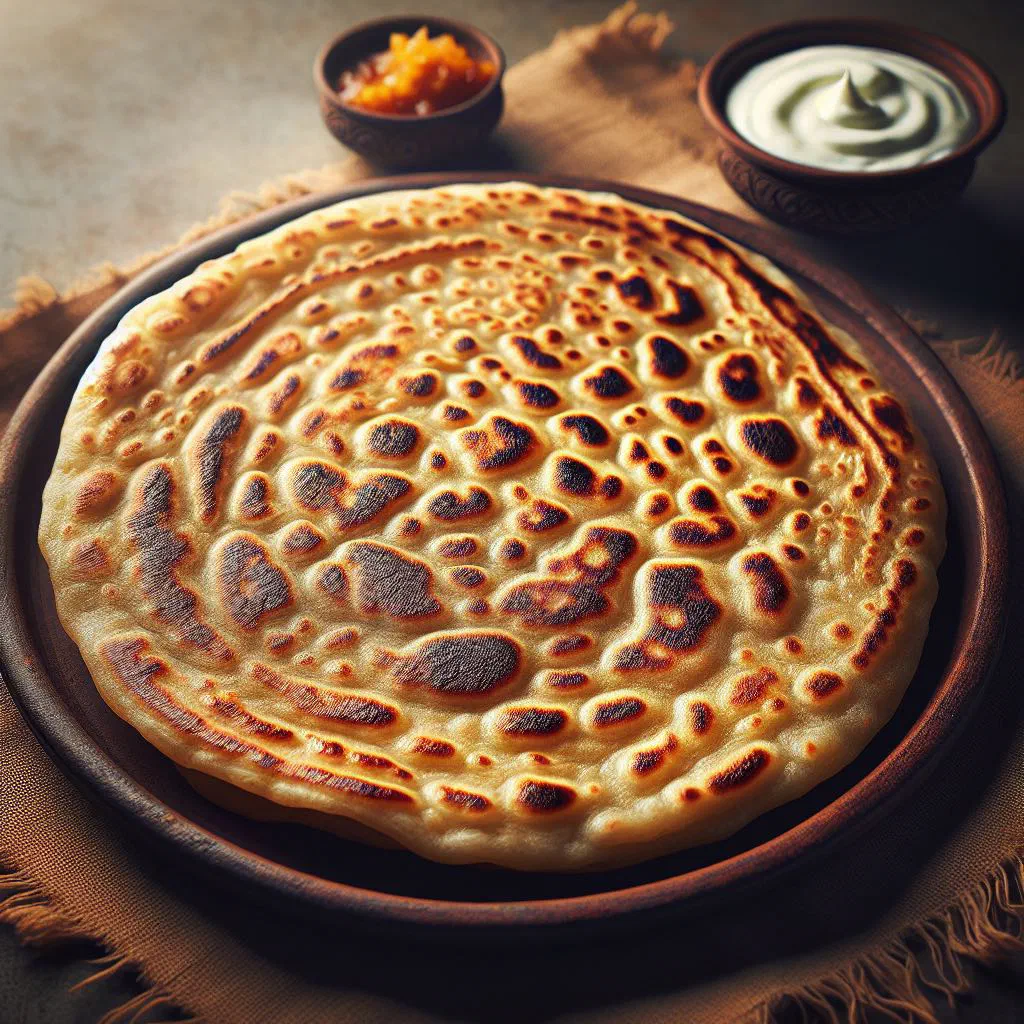
Meet Plain Paratha, one of Pakistan’s most beloved everyday breads. Crisp on the outside yet wonderfully soft within, these flaky flatbreads are the ultimate all-rounder. Perfect for tearing and dipping into chutneys, mopping up a rich curry, or wrapping around a savoury filling. Made from just a handful of storecupboard ingredients, they bring the warmth of a Pakistani kitchen straight to your table, whether for a leisurely breakfast or a comforting supper.
About Plain Paratha
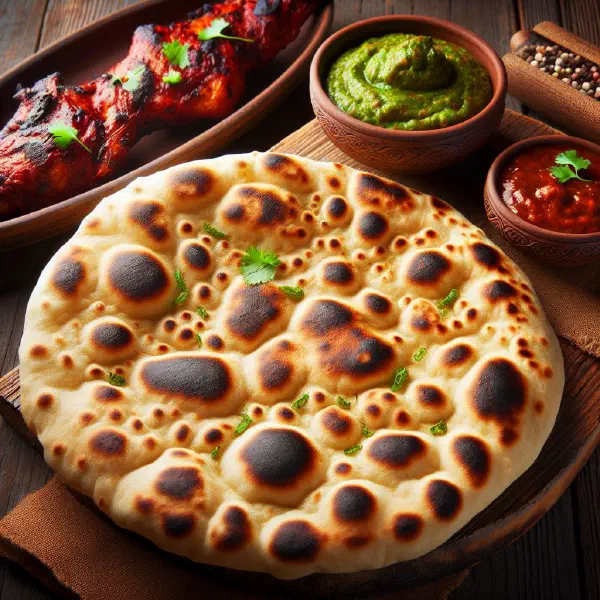
Plain Paratha is a true classic of Pakistani cooking. These flat, pan-fried breads are cherished for their versatility and their delicious flavour. They make a superb accompaniment to curries or a moreish partner for dipping into chutneys. Beyond that, they also work brilliantly as the base for tasty sandwiches or wraps, which is exactly why they have earned a permanent place in homes across the country.
Ingredients (serves 1–2)
- 1 cup wheat flour
- 1/4 teaspoon salt
- Warm water (as needed)
- Oil or ghee (for frying)
Shopping for the ingredients
The ingredients for plain paratha are available in any supermarket. Be sure to buy good-quality wheat flour to achieve the best results. The salt can be adjusted to taste. If you would like to cater for particular dietary needs, gluten-free alternatives are also readily available, so no one has to miss out on this simple pleasure.
Preparing the dish
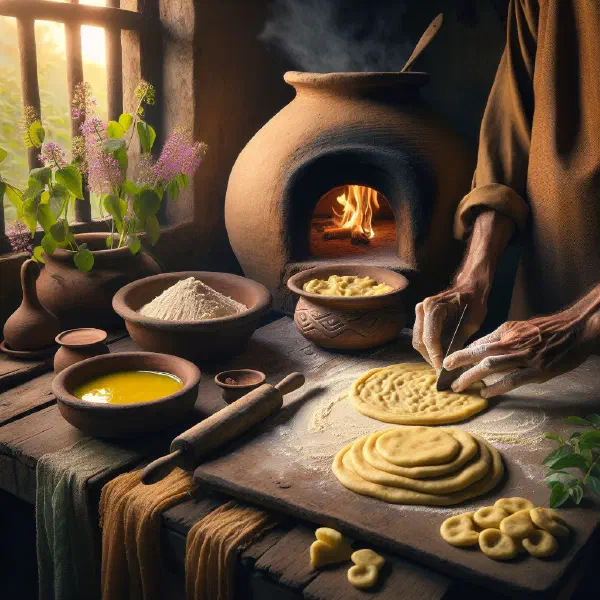
To make a perfect paratha, the right preparation is key. Mix the flour with the salt and gradually add warm water until you have a smooth dough. Leave the dough to rest for about 30 minutes to give it the desired suppleness. This improves the texture and enhances the flavour of the finished bread, so it is well worth the wait.
Step-by-step instructions
- Divide the dough into small portions and shape them into balls.
- Roll one ball out on a floured surface until it is thin and round.
- Spread a little oil or ghee over the surface.
- Fry the paratha in a hot pan until it is golden brown and crisp.
- Flip it over and continue frying until both sides are cooked through.
Gluten-free / lactose-free version
For those looking for gluten-free or lactose-free alternatives, there are plenty of options. Instead of wheat flour you can use almond flour or rice flour. To create a lactose-free version, swap the ghee for plant-based oils. This allows even more people to enjoy this delicious dish without having to compromise on their health, much like the naturally light Baisan Ki Roti made from chickpea flour.
Tips for vegans and vegetarians
Plain paratha is easily adapted to vegan and vegetarian diets. Simply avoid using ghee and opt for plant-based oils or margarine instead. You can also enrich the dough with herbs or spices to add extra layers of flavour. This is a great way to vary the taste while still keeping things wholesome and light.
More tips and tricks
A few pointers can help you make the perfect paratha. Be sure to let the dough rest for long enough to optimise gluten development. Use a well-greased pan to prevent sticking. Keep an eye on the temperature of the pan, as too much heat can burn the paratha, while too little will leave it tough and chewy. With these simple tricks, your paratha will turn out perfectly every time.
Adapting the recipe to your taste
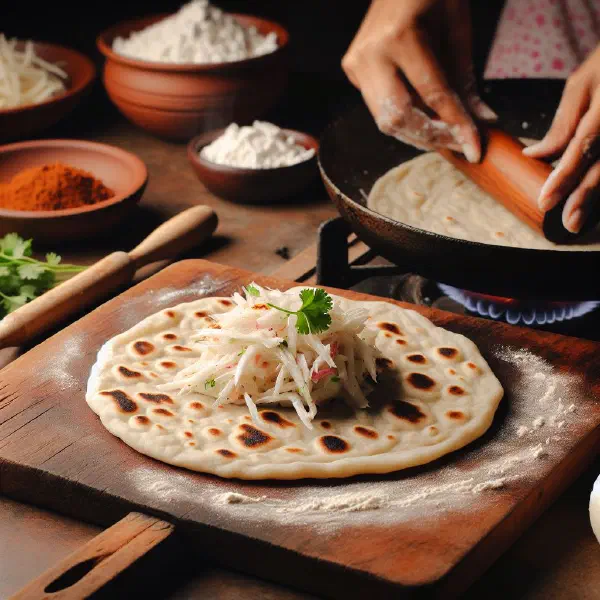
You can adapt the recipe however you like. Add spices such as cumin or coriander to the dough to intensify the flavour. Experiment with different oils for frying to create your own flavour combinations. Various fillings are also possible, such as potatoes or spinach, to make the paratha even more interesting, the same idea that gives Mooli Paratha its distinctive character.
Ingredient substitutions
The ingredients for plain paratha are flexible and can be swapped out. Instead of wheat flour you can use chickpea flour or a blend of wholemeal flour. The oil can be varied too; try olive oil, for example, for a healthier approach. Substitutions like these bring welcome variety and add extra nutrients to the finished bread.
Drink pairing ideas
A range of drinks pairs beautifully with a delicious plain paratha. Mango lassi, a traditional yoghurt drink, harmonises perfectly with its flavours, much like a refreshing Lassi served alongside. Mint tea or chai are also popular companions. For an alcohol-free option, you could serve fresh fruit juices or still water with a squeeze of lemon.
Serving and presentation ideas
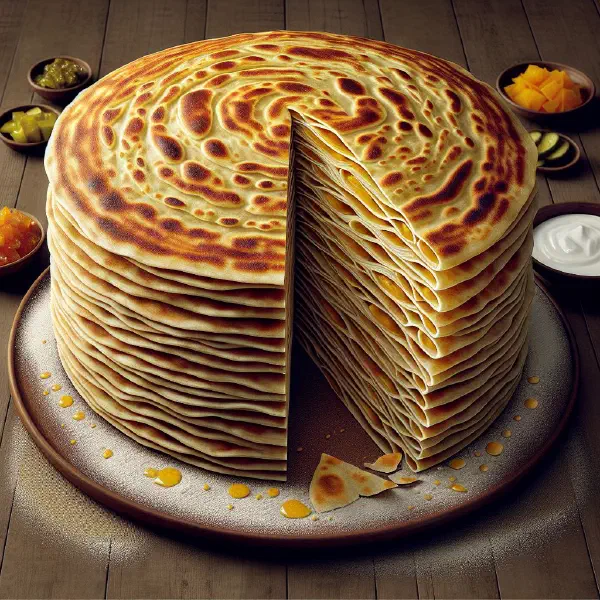
To present your plain paratha attractively, use large flat plates and stack the parathas on top of one another. Add a small bowl of chutney or sauces to create a lovely accent. Garnish the dish with fresh herbs or pickled onions to improve its appearance. A striking Raita on the side works wonders too, an appealing presentation makes the meal all the more appealing.
A bit of history
The story of the plain paratha stretches far back and is closely bound up with Pakistani food culture. Originally developed as a simple staple, the preparation and variations of the paratha have evolved over time. This dish reflects the tradition and creativity of Pakistani cuisine and is a symbol of hospitality. Today it is enjoyed not only in Pakistan but all around the world, and it sits comfortably among the many breads of Pakistani cuisine.
More recipe ideas
Summary: Plain Paratha
Plain paratha is a simple yet flavoursome dish that plays an important role in Pakistani cooking. Its versatility and adaptability make it a wonderful choice for any meal. With just a few ingredients it is easy to prepare and can be varied to your heart’s content. Enjoy the cooking and the wonderful result, which brings you closer to the authentic taste of Pakistan.