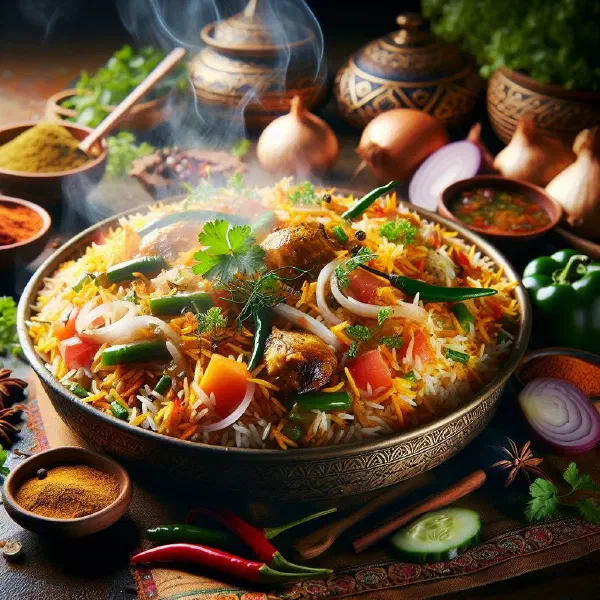
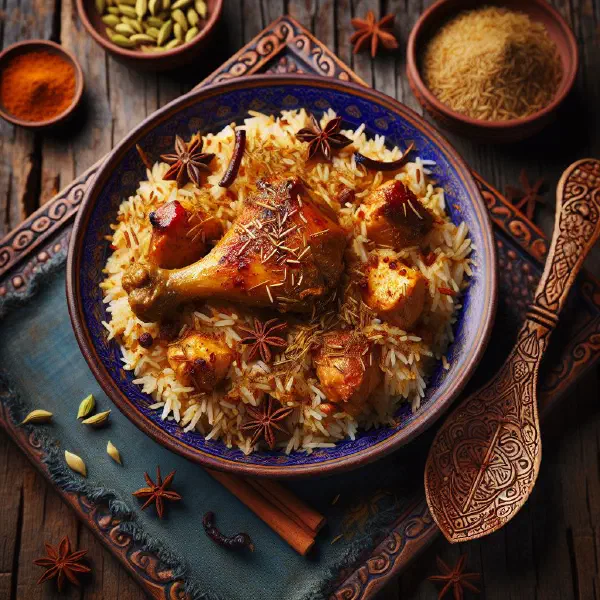
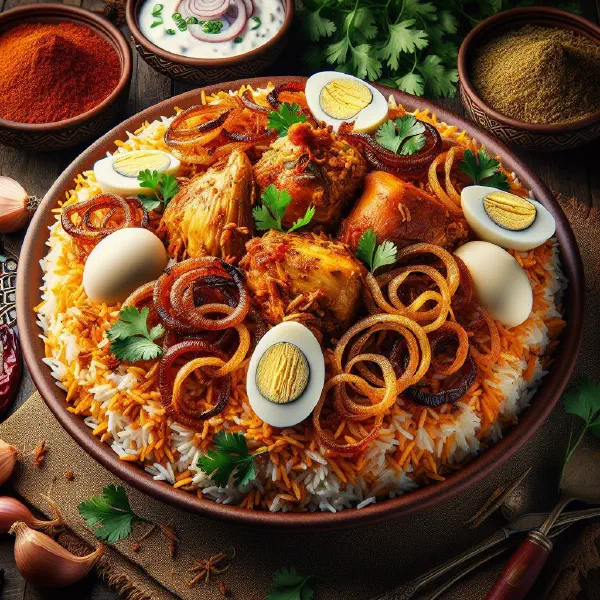
National Dish Pakistan: Pulao (Recipe)
In this article
Discover Pulao, one of Pakistan’s most beloved rice dishes. Fragrant, comforting and endlessly adaptable, it layers fluffy basmati rice with warm whole spices and your choice of tender meat or fresh vegetables. Equally at home as a festive centrepiece or a hearty everyday meal, pulao carries the aromas of cinnamon, cloves and cumin in every spoonful. Bring the rich flavours of Pakistan straight to your own kitchen.
About Pulao
Pulao is a much-loved rice dish prepared in countless variations across Pakistan. It stands out for its wealth of aromatic spices and the harmonious balance between rice and the other ingredients. The dish works beautifully as a main course or as a side, and it suits festive occasions just as well as a satisfying everyday dinner. The result is an unmistakable flavour experience that appeals to seasoned lovers of Pakistani cuisine and newcomers alike.
Ingredients (serves 1–2)
- 200 g basmati rice
- 300 ml water or stock
- 150 g chicken or vegetables of your choice
- 1 large onion, finely chopped
- 2 garlic cloves, chopped
- 1 teaspoon fresh grated ginger
- 1 cinnamon stick
- 2–3 cloves
- 1 teaspoon cumin seeds
- 1 teaspoon turmeric
- Salt to taste
- Oil or ghee for frying
- A few saffron threads (optional)
Shopping for the ingredients
The ingredients for pulao are easy to find in most supermarkets and in Indian or Asian grocery shops. Be sure to choose high-quality basmati rice, as this is crucial for the texture and flavour of the dish. Fresh spices matter just as much for coaxing out the full aroma. If you would like to use saffron, invest in genuine threads to add a luxurious note.
Preparing the dish
Before you start cooking, wash the rice thoroughly. This removes excess starch and keeps the grains from turning sticky as they cook. Then let the rice soak in water for about 30 minutes, which makes it cook up even fluffier. Have all the other ingredients prepared and within easy reach to keep the cooking process smooth.
Step-by-step instructions
- Heat a little oil or ghee in a large pot and fry the chopped onion until golden brown.
- Add the garlic and ginger and fry for a further minute.
- Add the meat or vegetables and cook until done.
- Stir in the spices — the cinnamon stick, cloves, cumin seeds and turmeric — and mix everything thoroughly.
- Add the soaked and drained rice and stir gently to combine.
- Pour in the water or stock and bring everything to the boil.
- Reduce the heat, cover and let the pulao simmer gently for about 15–20 minutes, until the rice is cooked and the liquid absorbed.
- If you like, garnish with saffron and serve hot.
Gluten-free / lactose-free version
Pulao is easily made gluten-free and lactose-free. The main ingredient, rice, is naturally gluten-free, and instead of butter you can use plant-based oil or ghee. Just make sure that any spices you use are also gluten-free. That way you can enjoy this delicious dish without any dietary worries.
Tips for vegans and vegetarians
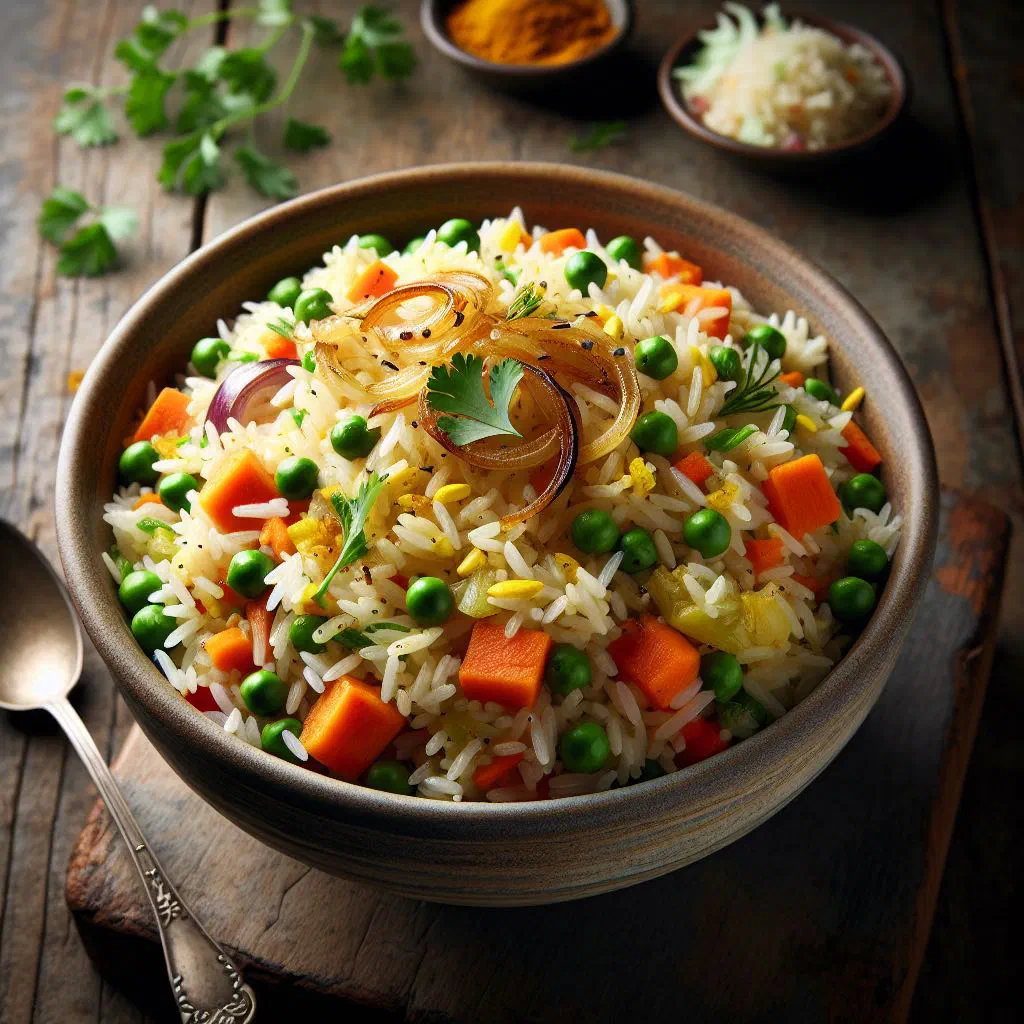
For a vegan or vegetarian version of pulao, simply replace the meat with a selection of vegetables. Carrots, peas, cauliflower and peppers are excellent additions that bring extra nutrients and flavour. Use vegetable stock in place of a meat-based one to round out the taste. With this adjustment the dish stays delicious and nourishing and complete, much like a comforting bowl of Vegetable Pulao.
More tips and tricks
To make your pulao even more flavourful, scatter in a few raisins or almonds before cooking. These give the dish an interesting bite as well as a gentle sweetness. Adding fresh herbs such as coriander or mint just before serving can also heighten the aroma. Experiment with different spices and ingredients to create your own personal version of pulao.
Adapting the recipe to your taste
The flexibility of pulao lets you tailor the recipe to your preferences. If you like it hotter, add more chillies or a spoonful of hot curry paste. Alternatively, keep it milder by using fewer spices. Your own culinary tastes, and any intolerances, should always guide how you shape the recipe, so that the result is the best possible flavour experience for you.
Ingredient substitutions
If an ingredient in the recipe is not to your liking or you simply do not have it in, there are usually easy alternatives. Instead of chicken you can use lamb, beef or tofu, as you might in a rich Mutton Korma. For the spices, you can also reach for a ready-made garam masala blend, which already contains a selection of the aromatic ingredients you need. Experiment with different combinations to discover new flavours.
Drink pairing ideas
A range of drinks pairs beautifully with pulao and rounds out the meal. A fresh mint tea or a cup of Masala Chai makes an excellent match for this dish. A yoghurt drink such as Lassi offers a refreshing contrast, too. For a more festive occasion you might serve fruity cocktails or aperitifs that underline the fragrant spices of the pulao.
Serving and presentation ideas
Presentation plays an important role in serving your pulao attractively. Use a lovely, large serving bowl to arrange the rice, and garnish it with fresh herbs and toasted nuts. A few lemon wedges or a mint leaf can add a lively touch. Take care to keep the different ingredients visible, creating an inviting spread that welcomes everyone to the table.
A bit of history
Pulao is a dish with a long history that reaches back to ancient civilisations. Originally Persian in origin, it spread throughout South Asia and quickly grew popular. Every culture developed its own variations reflecting local tastes and ingredients, from the celebrated Kabuli Pulao to the fragrant Yakhni Pulao. In Pakistan, pulao is prized as an everyday meal and in festive settings, where it has become a symbol of hospitality and a proud part of Pakistani cuisine.
More recipe ideas
Summary: Pulao
Pulao is a versatile and hearty dish that offers plenty of scope in the kitchen. The aromas of the spices and fresh ingredients make every pulao a special experience. With the tips and adjustments provided here, you can add your own personal touch and create real culinary highlights.