National Dish Pakistan: Raita (Recipe)
In this article
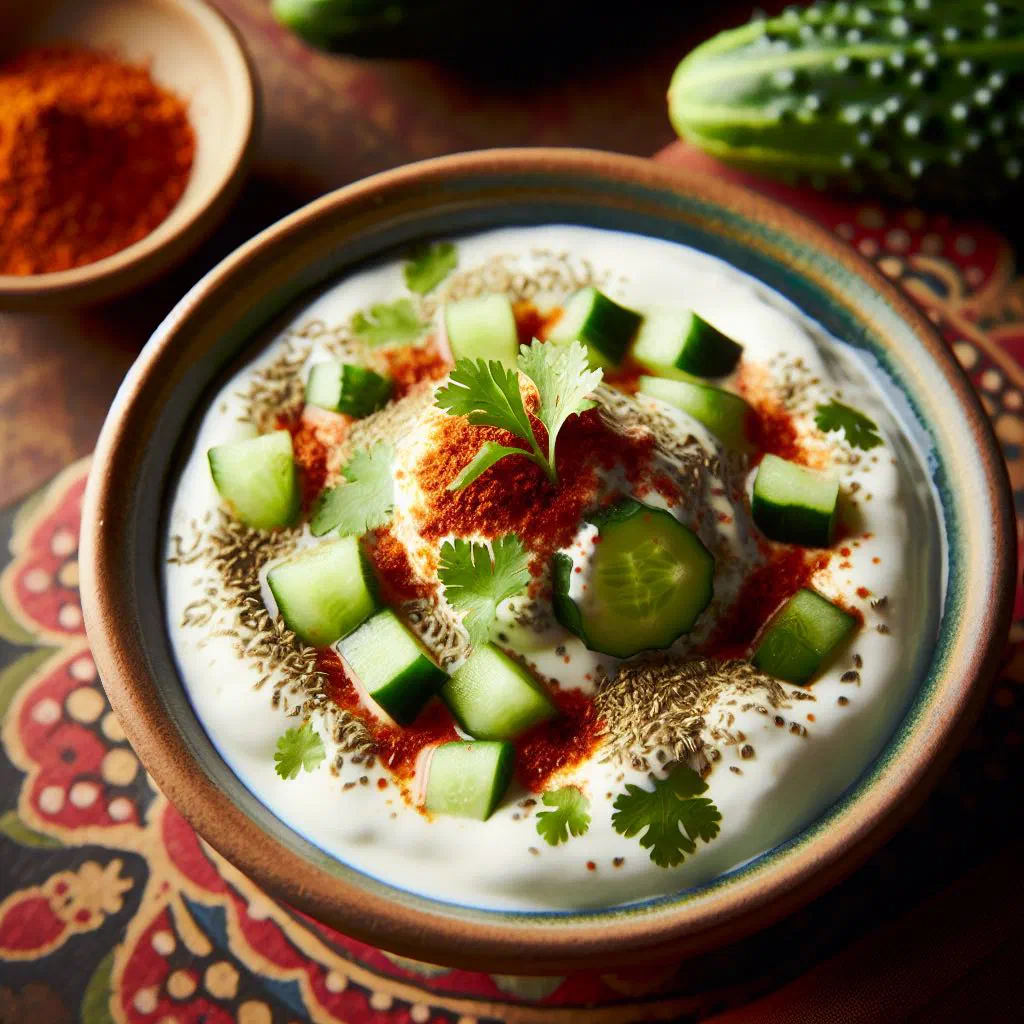
Meet Raita, the cooling yoghurt dip that brings calm to even the fieriest Pakistani feast. Whipped-smooth yoghurt is folded together with crisp cucumber, juicy tomato and a scattering of fragrant coriander, then lifted with a pinch of roasted cumin. Refreshing, quick to make and endlessly adaptable, it is the perfect foil for bold, spice-laden dishes, and it takes barely five minutes to bring to the table.
About Raita
Raita is a classic yoghurt dip that is enormously popular across both Indian and Pakistani kitchens. It is most often served as a side dish alongside hot, heavily spiced meals, where its gentle coolness balances the heat beautifully. The combination of fresh yoghurt, crunchy vegetables and aromatic herbs creates a harmonious balance on the plate. Raita is an especially beloved companion to a fragrant Biryani or warm Naan, adding a welcome note of freshness to the main course.
Ingredients (serves 1–2)
- 200 g Greek yoghurt
- 1 small cucumber, grated
- 1 small tomato, diced
- 1/4 teaspoon cumin, roasted and ground
- 1–2 tablespoons fresh coriander, chopped
- 1/2 teaspoon salt
- Optional: 1 small green chilli, finely chopped
Shopping for the ingredients
The ingredients for raita are easy to find in most supermarkets or Asian grocery shops. Take care to choose fresh, good-quality produce, and pay particular attention to the yoghurt, as it forms the very base of the dish. When picking your cucumber, an organic option is well worth considering to guarantee the freshest possible flavour. Spices such as cumin should likewise be fresh and aromatic so that they deliver the fullest taste.
Preparing the dish
Before you start making raita, gather all of your ingredients within easy reach to keep the process smooth. The cucumber needs to be grated and squeezed of any excess liquid, otherwise the raita can turn watery. The tomato should be washed well and cut into small pieces. It helps to chop fresh herbs such as coriander right before use, so that their flavour stays at its most vivid.
Step-by-step instructions
- Spoon the Greek yoghurt into a bowl and stir it until smooth.
- Add the grated cucumber, the diced tomato and the chopped herbs.
- Season the raita with salt and roasted cumin.
- For a hotter kick, stir in the finely chopped green chilli and mix well.
- Serve the raita well chilled as a side to your main course.
Gluten-free / lactose-free version
Raita is a naturally flexible recipe that adapts easily to special diets. To make a gluten-free version, no special adjustment is needed at all, as the ingredients used are already gluten-free. For a lactose-free option, simply reach for lactose-free yoghurt, which is widely available in supermarkets. These small tweaks mean that people with intolerances can enjoy this delicious dish too.
Tips for vegans and vegetarians
Vegetarians can enjoy raita without a second thought, as most of the ingredients are plant-based. Vegans, meanwhile, should swap the yoghurt for a plant-based alternative such as coconut yoghurt or soya yoghurt. These products offer a similar texture and flavour and make the dish accessible to everyone. Just be sure to choose a yoghurt made entirely without animal-derived ingredients.
More tips and tricks
To deepen the flavour of raita, toast the spices lightly before adding them. Experiment with other herbs such as mint or parsley for an extra dimension of taste. If you like, a splash of lemon juice further accentuates the freshness. A well-chilled raita is a refreshing side and the ideal partner for spicy dishes such as a Chicken Karahi.
Adapting the recipe to your taste
Raita is a highly adaptable recipe that is easy to personalise. Introduce variations by adding different vegetables such as carrots or peppers. Using different types of yoghurt is also an option and can lend the dish an entirely new flavour note. On top of that, you can adjust the heat of the raita simply by using more or less chilli.
Ingredient substitutions
If you do not have a cucumber to hand, courgette or celery both work well and bring their own refreshing note. If you are not keen on fresh coriander, parsley makes an excellent alternative. Instead of cumin, you could use garam masala for a different flavour approach, the same warm blend that shines in a Vegetable Jalfrezi. Substitutions like these keep the recipe versatile and invite you to get creative.
Drink pairing ideas
To round out the flavours of raita, choose refreshing drinks to serve alongside. A Lassi, whether sweet or salty, is a traditional pairing that complements the food’s aromas perfectly. Alternatively, fruit jellies or coconut water work well too, their lightness and freshness balancing the heat of the meal. A Masala Chai or even a light beer can make a pleasant companion as well.
Serving and presentation ideas
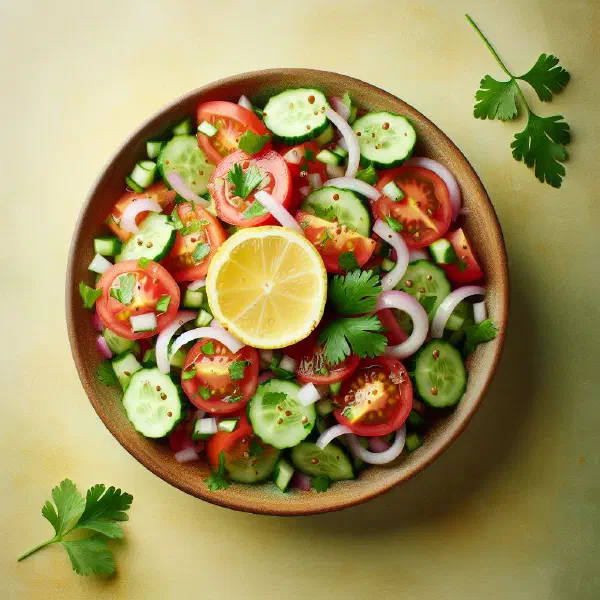
Presentation can noticeably improve the first impression of a dish. Serve the raita in a decorative bowl and garnish it with more fresh herbs or a drizzle of olive oil. A few pomegranate seeds or some toasted nuts as a topping bring colour and texture into play. The choice of serving plates can also contribute to the overall look of the meal, especially when paired with a fresh Kachumber Salad.
A bit of history
Raita has its roots in Indian and Pakistani cuisine, where the dish has endured across generations. It was originally devised as a simple way to temper the heat of spices while reflecting the needs of the region. Across the different areas of South Asia there are countless variations of raita, each drawing on its own ingredients and flavours. This creative adaptability has made it a much-loved part of the region’s Pakistani cuisine.
More recipe ideas
Summary: Raita
Raita is a versatile and refreshing yoghurt dip that works wonderfully as a side to a whole range of spicy dishes. With its simple ingredients and easily adjustable recipe, you can create your own delicious raita in no time. Whether for a festive meal or as an everyday accompaniment, raita always brings freshness and flavour to the table. Give it a try and enrich your culinary repertoire.