National Dish Pakistan: White Karahi (Recipe)
In this article
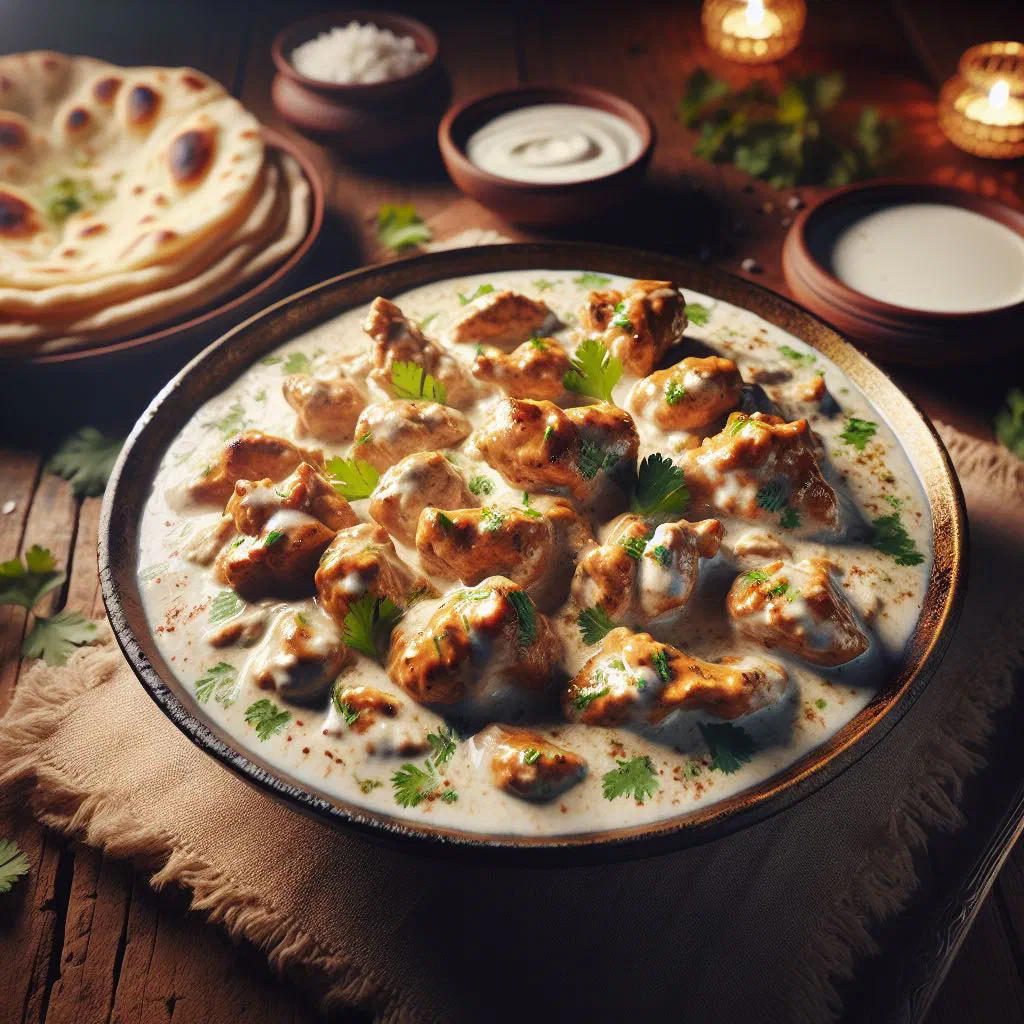
Meet White Karahi, a creamy, deeply aromatic gem of Pakistani cooking that swaps the usual tomato base for a silky sauce built on yoghurt, ginger and green chillies. Tender pieces of chicken or lamb soak up the gentle warmth of cumin and coriander, while fresh herbs lift the whole dish. Elegant enough for a celebration yet comforting enough for a family dinner, it is a wonderful way to bring the flavours of Pakistan to your own table.
About White Karahi
White Karahi is a traditional Pakistani dish that combines savoury flavours with a wonderfully creamy texture. It is most often made with tender meat, chicken or lamb in particular, and is a genuine highlight of any festive spread. The aromatic sauce, built from yoghurt, spices and fresh herbs, gives the dish its distinctive character. More than just a treat for the palate, White Karahi is a fine example of the rich culinary culture of Pakistan.
Ingredients (serves 1–2)
- 500 g chicken breast or lamb
- 200 g natural yoghurt
- 2 onions, finely chopped
- 4 garlic cloves, chopped
- 1 piece of ginger, grated
- 2 green chillies, chopped
- 1 teaspoon cumin
- 1 teaspoon ground coriander
- Salt to taste
- Fresh coriander leaves, to garnish
- 2 tablespoons oil or ghee
Shopping for the ingredients
To make White Karahi at its best, choose ingredients that are as fresh and good quality as possible. Visit a local market or a specialist grocery to be sure of finding the right spices for the dish. Fresh herbs are essential to the flavour, so it is worth buying them shortly before cooking. The meat should be fresh too, as this makes all the difference to the final taste.
Preparing the dish
Good preparation is the key to a successful White Karahi. Begin by cutting the meat into even pieces so that it cooks through uniformly. Next, chop the onions, garlic, ginger and green chillies so that every ingredient is ready to go. Having everything to hand keeps the cooking process smooth and unhurried, leaving you free to focus on the aromas as they develop.
Step-by-step instructions
- Heat the oil or ghee in a large pan and add the chopped onions, cooking until golden brown.
- Add the chopped garlic and ginger and fry briefly to release their aromas.
- Add the meat and brown it on all sides.
- Stir in the spices (cumin, ground coriander and salt) along with the green chillies and mix well.
- Stir in the yoghurt and let it simmer for a few minutes until the sauce turns thick and creamy.
- Garnish with fresh coriander leaves and serve.
Gluten-free / lactose-free version
White Karahi is easily adapted for those with gluten or lactose intolerances. Simply use a lactose-free yoghurt or a plant-based alternative such as coconut yoghurt. The dish contains no gluten, so you can enjoy it without any further adjustment. Just double-check that all your spices are gluten-free too, to keep the preparation completely worry-free.
Tips for vegans and vegetarians
For a vegan version of White Karahi, you can replace the meat with tofu or a mix of vegetables. A combination of aubergine, courgette and pepper gives you a fibre-rich, flavoursome take on the dish. Instead of yoghurt, a plant-based cream or cashew yoghurt delivers the same desirable creaminess. Add the spices in the usual way to round the dish off nicely.
More tips and tricks
There are a few tricks for intensifying the flavour of White Karahi. Toast the spices briefly in the oil before adding the yoghurt to deepen their aroma. Every ingredient should be fresh and of good quality, especially the herbs that bring the dish to life. The choice of cooking fat also matters a great deal, with ghee lending a truly authentic taste.
Adapting the recipe to your taste
White Karahi is easy to tailor to your own preferences. If you like heat, add extra green chillies or even a little chilli powder. To keep things milder, cut back on the chillies or reach for a gentler yoghurt. You can also swap the meat for fish to give the dish a completely different character. With so many options, everyone can find their perfect version of White Karahi.
Ingredient substitutions
If you are looking for alternatives, several ingredients in White Karahi can easily be varied. Instead of chicken, you might use beef or lamb. And if yoghurt is not to your taste, you could try condensed milk or a plant-based drink in its place. These swaps may shift the flavour, but they also open the door to interesting new twists on the classic recipe.
Drink pairing ideas
Refreshing drinks are the ideal companion for White Karahi. A chilled Lassi, sweet or salty, pairs perfectly with the spiced dish. Alternatively, a lightly sparkling mineral water or a classic Masala Chai adds a touch of authenticity. The right drink rounds off the whole experience and turns the meal into something memorable.
Serving and presentation ideas
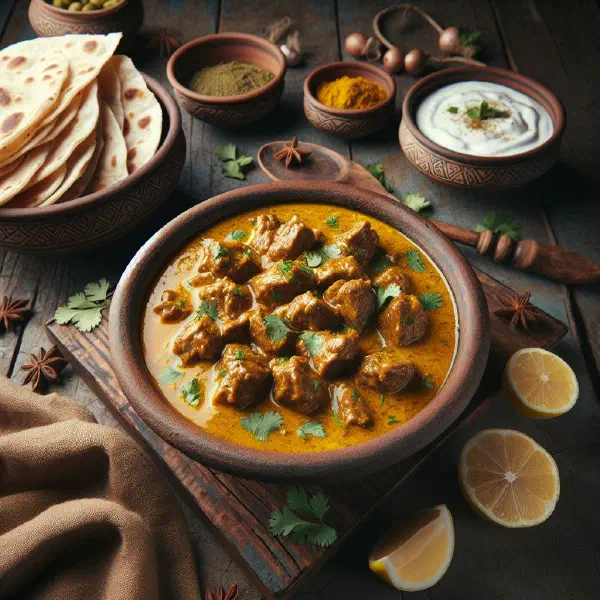
Presentation can matter just as much as flavour when it comes to White Karahi. Serve the dish in a traditional karahi or another decorative bowl to bring out its authentic style. Garnish with fresh coriander leaves and a squeeze of lemon to add colour and freshness. Serving it alongside freshly baked Naan or rice makes the dish look inviting and turns the meal into a real occasion.
A bit of history
White Karahi has deep roots in Pakistani food culture and is a superb example of the country’s rich gastronomic tradition. The karahi itself, a deep, wok-like cooking vessel, is often used to prepare dishes of this kind. Historically, cooking in the karahi was a way of concentrating flavours through intense frying and simmering. Every region of Pakistan has its own version, using different spices and ingredients that reflect the local culture, much like the many variations found across Pakistani cuisine.
More recipe ideas
Summary: White Karahi
White Karahi is more than just a dish. It is an experience that brings the flavours and traditions of Pakistani cooking to the table. With its tender meat, creamy sauce and blend of spices, it is perfect for festive occasions and special celebrations. Its adaptability and the many ways it can be prepared make it a versatile dish that everyone can enjoy. Give it a try and let its unique flavour work its magic.