National Dish Palau: Roasted Taro (Recipe)
In this article
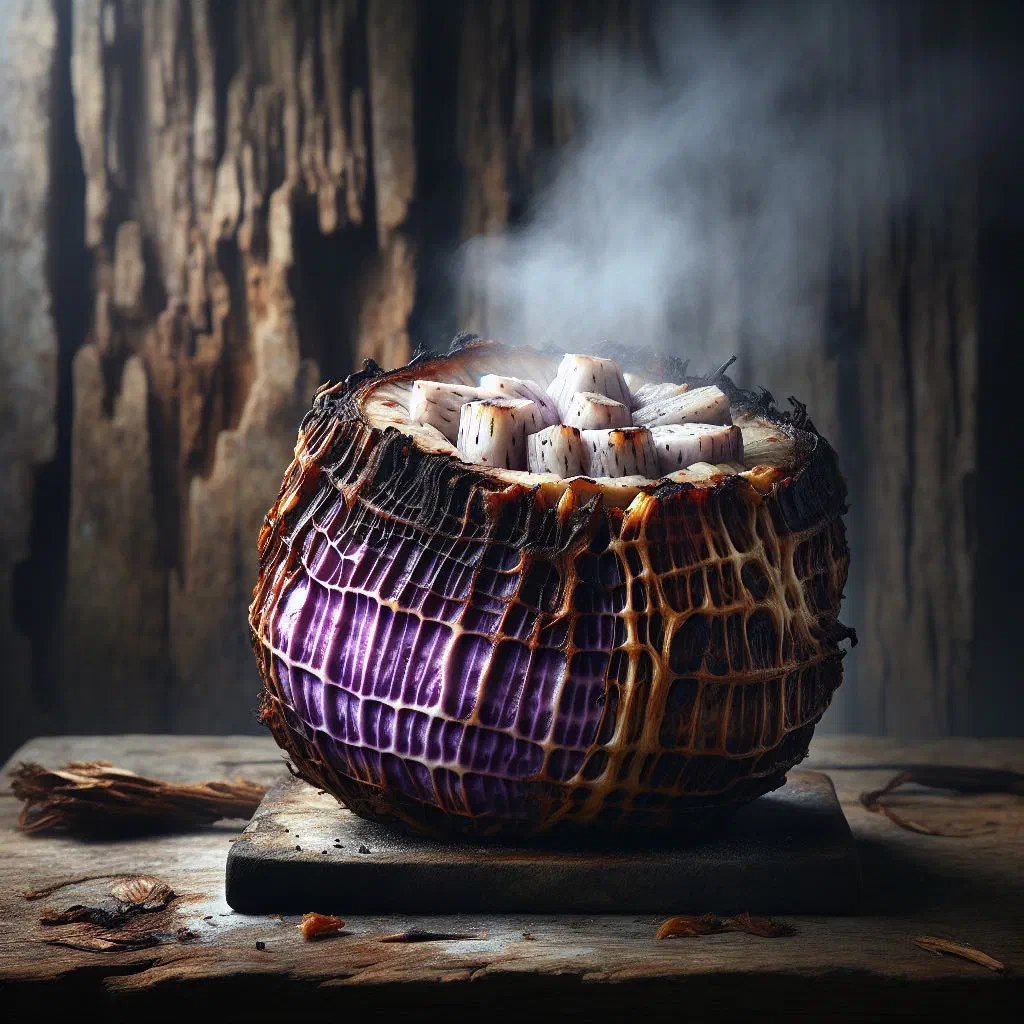
Meet Roasted Taro, a wonderfully simple taste of the Pacific that lets one humble root vegetable shine. Roasting brings out taro’s mellow, nutty flavour and gives the tubers a crisp, golden edge and a soft, fluffy centre. With little more than good olive oil, sea salt and a scattering of herbs, this island staple turns into a satisfying side or a light main. Bring a piece of Palauan tradition to your own kitchen with the least of fuss.
About Roasted Taro
Roasted Taro is a true treat for anyone who loves Pacific cooking. This delicious speciality is made from the taro plant, prized for its nutty flavour and its remarkable versatility in the kitchen. Taro has a long history across many cultures and is often cherished as a staple food. Roasting coaxes the full aroma out of the tuber, making Roasted Taro a genuine flavour experience that celebrates the honest, unhurried spirit of island cooking.
Ingredients (serves 1–2)
- 2 medium taro tubers
- 2 tablespoons olive oil
- 1 teaspoon sea salt
- 1/2 teaspoon pepper
- 1/2 teaspoon paprika (optional)
- Fresh herbs, to garnish (such as parsley or coriander)
Shopping for the ingredients
For the best results it is worth seeking out fresh, good-quality ingredients. Taro is widely available in Asian supermarkets and at farmers’ markets. Choose tubers that feel firm and are free of soft or bruised patches. The quality of your spices and fresh herbs can also make a real difference to the flavour of the finished Roasted Taro, so pick the freshest you can find.
Preparing the dish
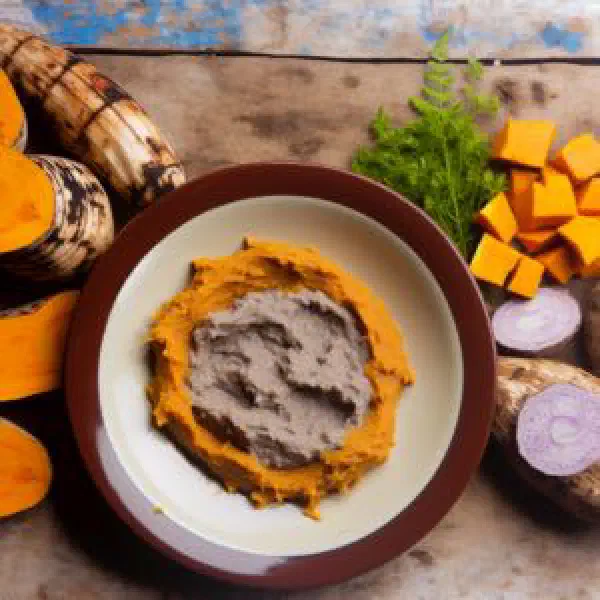
Before you start cooking, wash the taro tubers thoroughly to remove any soil. Then peel them, as the skin is not edible. Cutting the taro into even cubes ensures they cook uniformly during roasting. This groundwork is key to achieving the best texture and the flavour you are after, much like the careful prep behind a hearty Taro And Pumpkin Mash.
Step-by-step instructions
- Preheat the oven to 200°C (conventional heat).
- Cut the peeled taro tubers into even cubes and place them in a large bowl.
- Add the olive oil, sea salt, pepper and paprika, then toss well so the seasoning coats every piece evenly.
- Spread the seasoned taro cubes over a baking tray, making sure they sit in a single layer rather than piled up.
- Roast for 25–30 minutes, until golden and crisp. Turn the cubes once after 15 minutes so they brown evenly.
- Serve the Roasted Taro hot, garnished with fresh herbs.
Gluten-free / lactose-free version
Roasted Taro is naturally gluten-free and lactose-free, which makes it a perfect choice for anyone with those intolerances. Just take care that all the spices you use are also free from gluten. Thanks to the simple preparation, you can be confident the dish suits every guest at the table. Enjoy its delicate range of flavours with no worries about allergens.
Tips for vegans and vegetarians
The recipe for Roasted Taro is naturally vegan-friendly. To add even more flavour to your meal, roast some extra vegetables such as courgette or peppers alongside the taro. These combinations boost the nutritional value and bring welcome variety to the plate. Serve the Roasted Taro with a punchy dip of avocado or hummus for an even tastier spread.
More tips and tricks
To make things easier, you can prepare the taro tubers the day before, leaving only the roasting for the day itself. Besides the classic seasoning with paprika, feel free to try other spices such as garlic powder or cumin. A pinch of chilli flakes added to taste brings a pleasant kick. Experiment with different flavours to create a version that is truly your own.
Adapting the recipe to your taste
Roasted Taro takes beautifully to personal tweaks. You can vary the spices, or even try a sweet version with honey and cinnamon. Adding roasted nuts or seeds can make the texture and flavour more interesting still. Just remember to adjust the cooking time accordingly for the best results.
Ingredient substitutions
If taro is not to hand, you can make the dish with other root vegetables such as sweet potatoes or parsnips. These offer different but equally delicious flavours, in the same spirit as the Sweet Potato Fritters enjoyed across the islands. The spices, too, can be swapped as you please. Try different combinations to find your personal favourite and discover new tastes.
Drink pairing ideas
Refreshing drinks go wonderfully with a dish like Roasted Taro. A simple unsweetened iced tea or a fruity smoothie, perhaps a Mango Coconut Smoothie, makes an ideal companion. If you prefer something alcoholic, try a light wheat beer or a crisp rosé wine. These drinks harmonise perfectly with the nutty flavour of the taro and lift the whole meal.
Serving and presentation ideas
A few simple touches can really elevate how the dish looks. Use colourful plates or bowls and garnish the Roasted Taro with fresh herbs or a squeeze of lemon for visual contrast. Pairing it with bright vegetables also creates an eye-catching plate. Try it alongside Roasted Breadfruit With Coconut Cream for a generous island spread.
A bit of history
Taro is one of the oldest cultivated plants on earth, grown for thousands of years across many parts of the world, and it holds particular cultural significance throughout the Pacific. Methods of preparing taro vary from region to region, with roasting among the most traditional. This approach is used in many households to preserve the nutrients and highlight the tuber’s natural flavour. Roasted Taro is not only something to eat but a piece of cultural heritage passed down through generations, a proud part of Palauan cuisine.
More recipe ideas
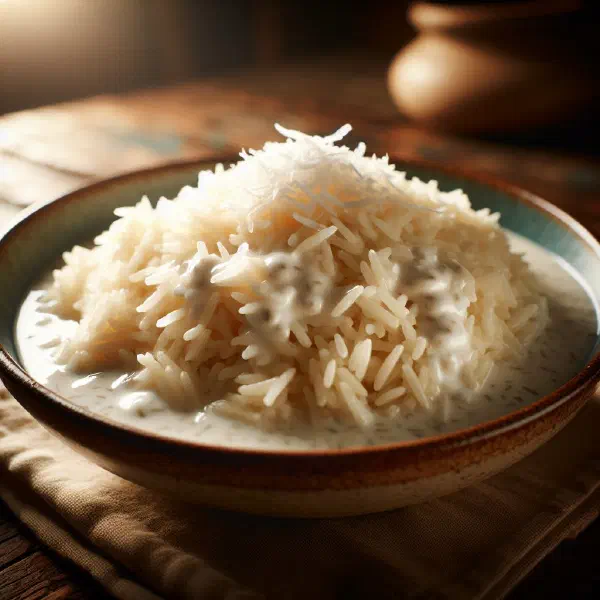
- Steamed Taro With Coconut Sauce
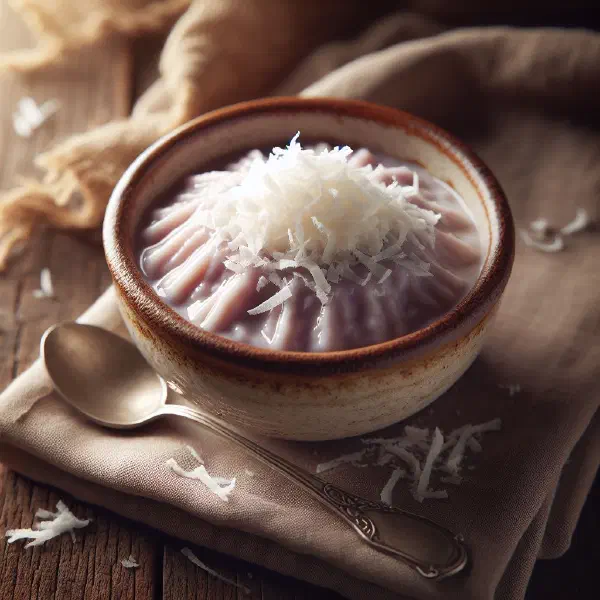
- Coconut Taro Pudding
- Sweet Potato Pudding
- Fried Breadfruit Chips
- Pumpkin Coconut Soup
Summary: Roasted Taro
Roasted Taro wins hearts with its crisp texture and outstanding aroma and as an easy, endlessly adaptable dish. This treat brings a piece of Pacific culture to your plate. With the right choice of ingredients and spices, you can turn your Roasted Taro into a memorable flavour experience. Let it inspire you and enjoy the cooking.