National Dish Papua New Guinea: Coconut Sago (Recipe)
In this article
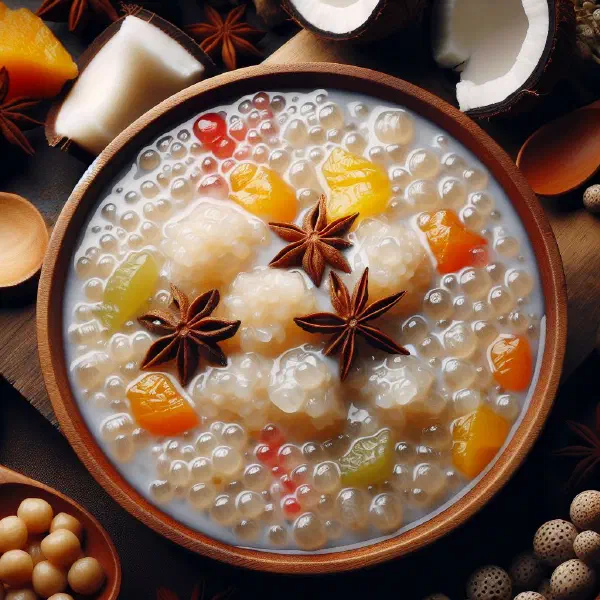
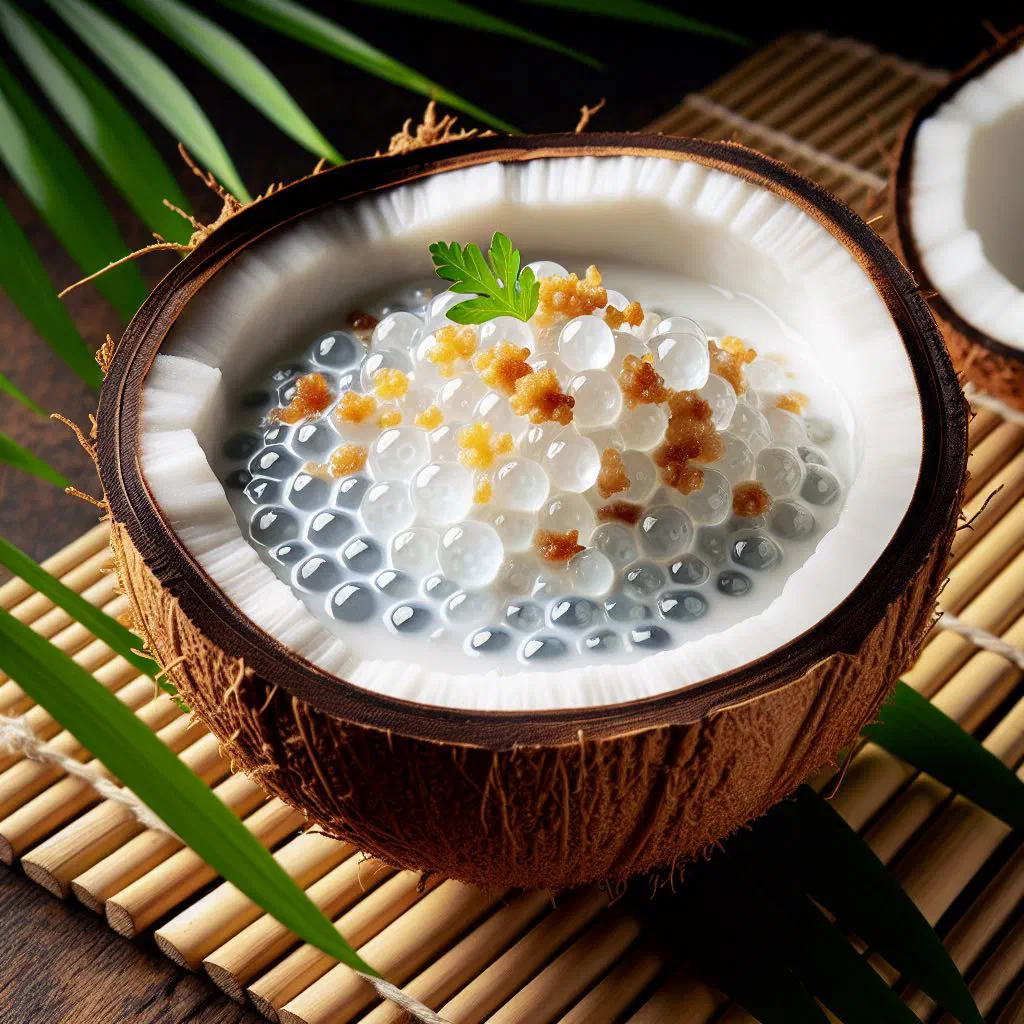
Few puddings say tropical island quite as clearly as Coconut Sago. Glossy tapioca pearls suspended in sweet, silky coconut milk make a dessert that is both featherlight and comforting, and it comes together with barely a handful of ingredients. In Papua New Guinea it appears at family celebrations and quiet weeknights alike, served warm from the pan or chilled on a hot afternoon. One spoonful and you are somewhere between palm trees and the Pacific.
About Coconut Sago
Coconut Sago is a traditional dessert from Papua New Guinea, built from tapioca pearls and coconut. The pairing of these two ingredients gives a flavour experience that is hard to match, sweet and creamy at once, with a gentle chew from the pearls. It is straightforward to prepare, which makes it an ideal choice for any occasion, whether a celebration or an everyday treat. With every spoonful, Coconut Sago carries you a little closer to the tropical landscapes of this Pacific island nation.
Ingredients (serves 1–2)
- 50 g tapioca pearls
- 200 ml coconut milk
- 1–2 tablespoons sugar (to taste)
- A few pinches of salt
- Fresh fruit to decorate (mango or banana, for example)
Shopping for the ingredients
Everything you need for coconut sago is easy to come by. Tapioca pearls are stocked by Asian grocers and by better-supplied supermarkets, usually near the rice and noodles. Coconut milk is equally simple to find, sold in tins or cartons, the same store-cupboard staple that underpins a Coconut Fish Curry. When buying sugar, go for good quality so the full flavour of the dessert comes through.
Preparing the dish
Before you start cooking, it pays to prepare the ingredients properly. Begin by soaking the tapioca pearls in water to improve their texture as they cook. Depending on the size of the pearls, this can take anywhere between 30 minutes and 2 hours. While they soak, set out the coconut milk and the sugar so the cooking itself moves along quickly and calmly.
Step-by-step instructions
- Tip the soaked tapioca pearls into a pan with 300 ml water and bring to the boil.
- Lower the heat and simmer until the pearls turn translucent, which takes about 10–15 minutes.
- Add the coconut milk, the sugar and the salt, then stir well.
- Take the pan off the heat and let the dessert cool. It can be served warm or cold.
- Decorate with fresh fruit to taste.
Gluten-free / lactose-free version
Coconut sago is naturally gluten-free and is just as easily made lactose-free. Using coconut milk instead of cow’s milk makes the dessert ideal for anyone with a lactose intolerance. When shopping, look for products clearly labelled as gluten-free or lactose-free so you can be certain the recipe suits your dietary needs.
Tips for vegans and vegetarians
For vegans, coconut sago is an excellent choice, as it contains no animal products at all. The two main ingredients, tapioca and coconut milk, are entirely plant-based. Do check that the sugar you add has not been processed with animal products if you want the dish to be fully vegan. You can also sweeten it with alternatives such as agave or maple syrup.
More tips and tricks
There are a few tips and tricks that lift coconut sago from good to perfect. Take care not to overcook the tapioca pearls, or they will lose their pleasing bite. For extra depth of flavour, add a few drops of vanilla extract or a pinch of cinnamon towards the end.
Adapting the recipe to your taste
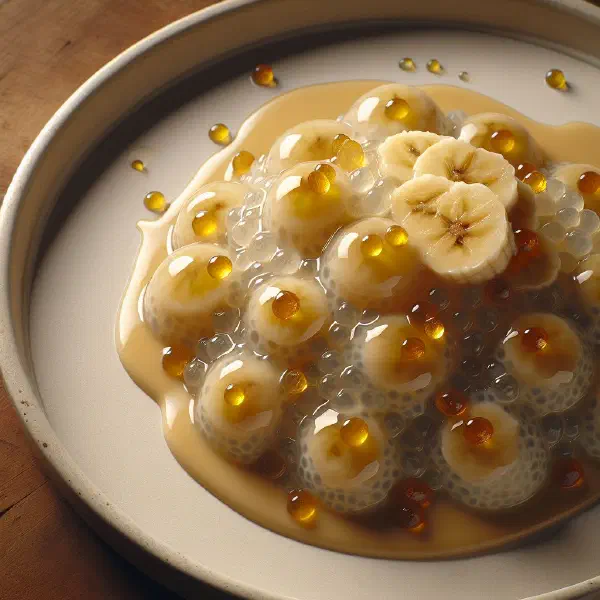
The great thing about coconut sago is how adaptable it is. The recipe is easily adjusted to suit different palates: fold in toasted nuts or seeds, for instance, to give the dessert more texture. Different fruits let you change the look and the character of the pudding to match your preferences or whatever the season offers, much as you would when making a Banana Sago Pudding.
Ingredient substitutions
If you have no tapioca pearls to hand, you can try another starch instead, though the texture of the finished dessert will change noticeably. For a dairy-free option, almond or soya milk both work well. The choice of fruit for garnishing is just as wide; passion fruit or pineapple bring a bright tropical touch, and pantry staples such as cassava lend themselves to sweet treatments too, as in a Tapioca Cake.
Drink pairing ideas
Plenty of refreshing drinks suit coconut sago. A homemade lemonade or a freshly pressed fruit juice complements the dessert beautifully, a Lime Cordial is a particularly good match for the sweetness. Light coconut water, which underlines the tropical flavour, is another excellent option. For adults, a fruity cocktail rounds off the whole experience nicely.
Serving and presentation ideas
Presentation can improve the coconut sago experience considerably. Serve the pudding in pretty glasses or small bowls and garnish it creatively with fresh fruit and mint leaves. A colourful arrangement of fruit makes the dish not only tastier but far more attractive to look at. Think about combining the colours and textures of your ingredients to achieve a striking result.
A bit of history
Coconut sago has a history closely bound up with the culture and traditions of Papua New Guinea. The dessert is often served at celebrations and on special occasions. The use of coconut runs deep in a region known for its abundant coconut palms, and combining it with tapioca shows how local ingredients are put to creative use across Papua New Guinean cuisine to create delicious food from very little.
More recipe ideas
Summary: Coconut Sago
Coconut sago is a simple but delicious dessert that brings together the flavours of coconut and tapioca. It works for a wide range of occasions and is easily adjusted to personal taste. The uncomplicated method and the use of natural ingredients have made it a favourite in many households. Explore the fascinating history and the many variations of this distinctive dish, and enjoy a sweet journey into the culture of Papua New Guinea.