National Dish Papua New Guinea: Koni (Recipe)
In this article
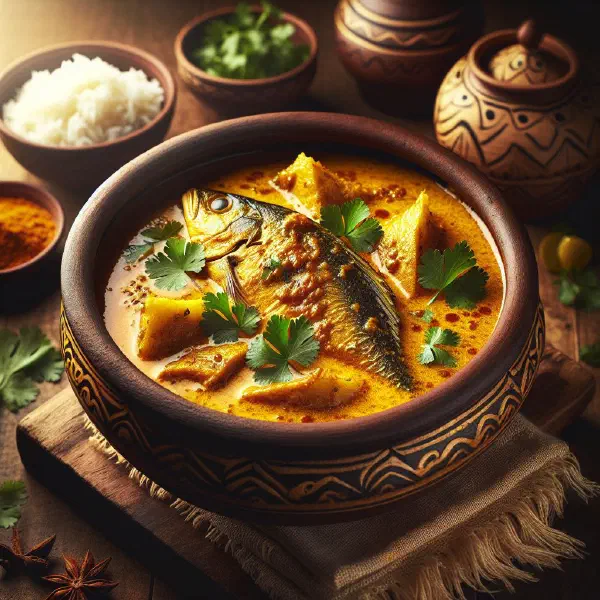
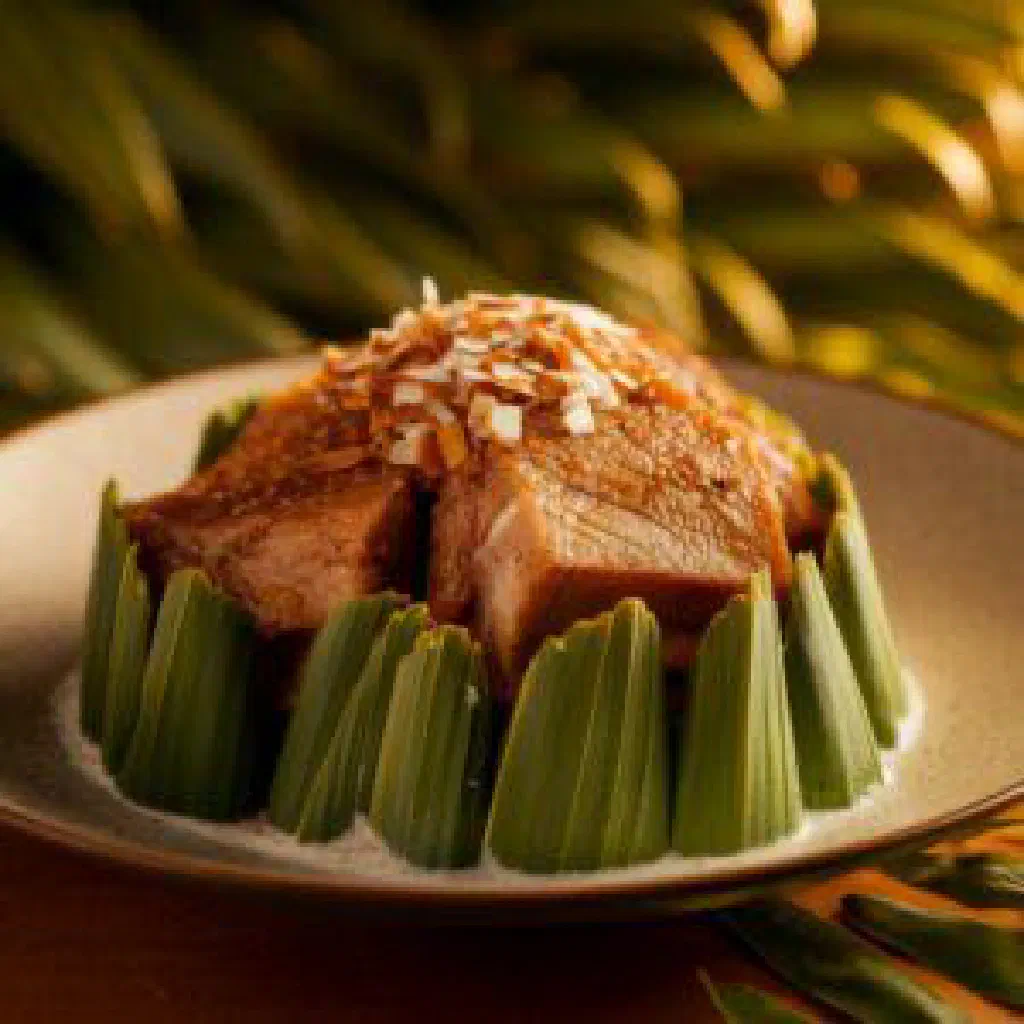
Meet Koni, a fragrant island dish that carries the warmth and abundance of Papua New Guinea in every spoonful. Tender fish is bathed in silky coconut milk, sharpened with lime and lifted by chilli, garlic and fresh herbs. It is the kind of cooking that grows straight out of the landscape, reef, garden and grove on a single plate, and it comes together far more easily than its layered flavour suggests.
About Koni
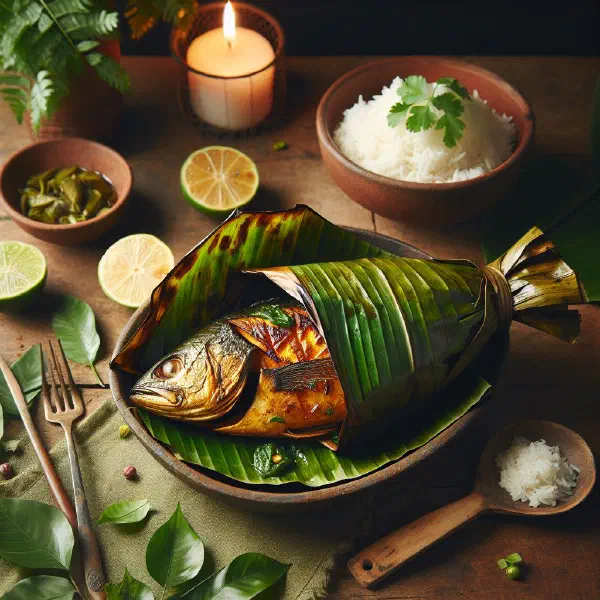
Koni is a traditional dish from Papua New Guinea that captures the burst of flavour and the culinary variety of this fascinating region. It is most often built around fresh fish or local fruits, combined with a generous range of spices and herbs. This harmonious blending of ingredients reflects the rich culture and history of the island’s indigenous peoples. The dish is delicious and a symbol of community and of a close connection to nature, much like the earth-oven cooking behind Mumu.
Ingredients (serves 1–2)
- 200 g fresh fish (barramundi, for example)
- 1 cup coconut milk
- 1 small onion, finely chopped
- 2 cloves of garlic, chopped
- 1 small red chilli, deseeded and chopped
- Juice of 1 lime
- Salt and pepper to taste
- Fresh herbs (coriander, for example), to garnish
Shopping for the ingredients
With koni, freshness is everything. Visit local markets to find good-quality fish along with fresh vegetables and herbs. Choose produce that is in season to get the very best flavour out of the dish. Many of the ingredients are also stocked by Asian supermarkets, where you will find the more exotic items that suit this recipe perfectly.
Preparing the dish
Preparing koni takes only a handful of steps, but each one matters if you want the best results. Start by rinsing the fish thoroughly and cutting it into evenly sized pieces. The vegetables should be washed well and prepared accordingly, while the spices are the real secret behind the dish’s distinctive taste. Have everything ready and to hand before you start cooking. It makes the whole process far simpler.
Step-by-step instructions
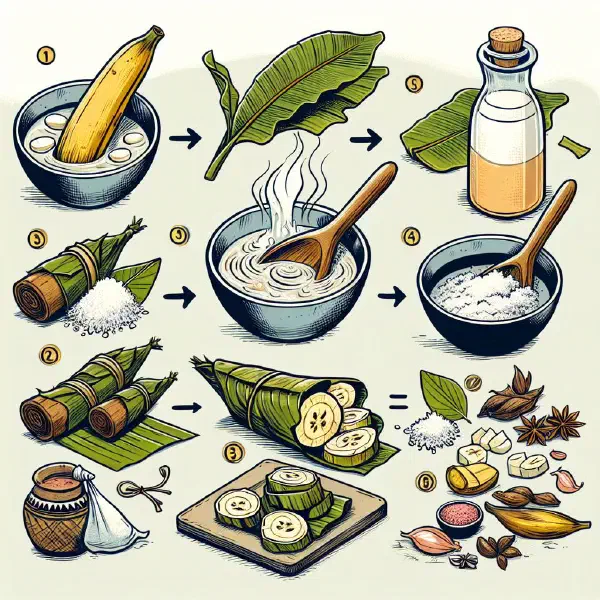
- Marinate the fish in a bowl with lime juice, salt and pepper, then set aside.
- In a pan, fry the onion and garlic in a little oil until translucent.
- Add the fish marinade to the onion mixture and stir well.
- Pour in the coconut milk and bring to the boil so the flavours can mingle.
- Add the fish gently and let it simmer over low heat until cooked through.
- Garnish with fresh herbs and serve.
Gluten-free / lactose-free version
Happily, the traditional recipe for koni is naturally gluten-free and lactose-free, since it contains neither wheat products nor dairy. For anyone with allergies or intolerances that is a considerable bonus. If you add extra ingredients, do check that they are equally free of gluten and lactose to avoid any unwanted reactions. The coconut milk also does the job of a creamy base beautifully, making the dish something everyone can enjoy.
Tips for vegans and vegetarians
Koni adapts easily for vegans and vegetarians: simply replace the fish with a combination of vegetables, mushrooms and pulses. Adjust the cooking times accordingly to get the texture right. Well-seasoned tofu, for instance, makes an excellent protein-rich alternative. Keep the same marinade and spices so the character of the dish stays intact, the same approach that works so well for Pumpkin Leaves in Coconut Milk.
More tips and tricks
A few simple tricks make cooking koni easier. Use fresh ingredients wherever possible to draw out the fullest flavours. Experiment with different regional spices to give the dish a signature note of your own. You can also dial the heat up or down by adding more or less chilli. One last tip: do not overcook the fish, or you will lose that delicate, tender texture.
Adapting the recipe to your taste
What makes koni so appealing is its flexibility, cooks are free to shape the recipe around their own preferences. You might add peppers, carrots or even pineapple for a touch of exotic sweetness. The choice of protein can vary too, so everyone can build their own favourite version. Just remember to adjust the cooking time to suit whichever ingredients you use.
Ingredient substitutions
If some of the usual ingredients for koni are unavailable, there are plenty of alternatives. The fish can be swapped for grilled chicken or even chickpeas, which keeps the dish nicely protein-rich. Instead of coconut milk you could use oat milk or another plant-based milk alternative. Bear in mind that you may need to rebalance the seasoning to keep the flavours in harmony.
Drink pairing ideas
Several drinks pair well with koni and bring out its flavours. Ice-cold coconut water or a fruity lime-and-ginger lemonade are particularly good choices, a Kulau Drink is about as authentic as it gets. These refreshing options balance the spicier elements of the dish perfectly. A light, crisp white wine such as Sauvignon Blanc also makes a fine accompaniment.
Serving and presentation ideas
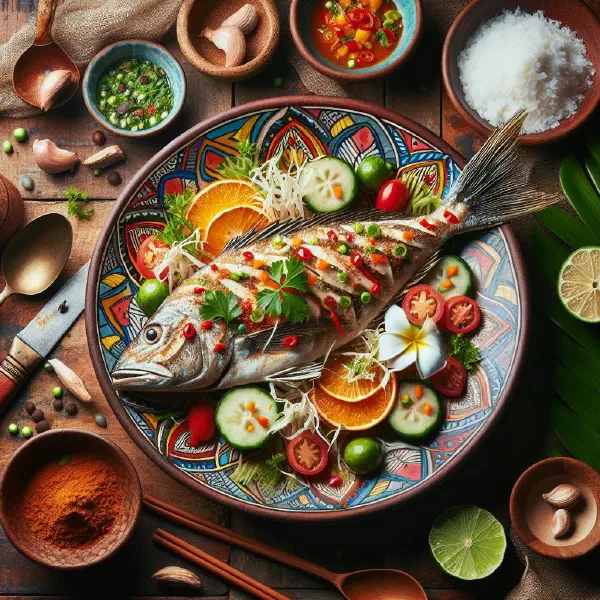
Presentation can noticeably improve the koni experience. Serve the dish in a shallow bowl or on a large white plate so the colours of the ingredients stand out. Garnish with fresh herbs such as coriander or basil, and add a few lime wedges alongside. A carefully arranged plate does not just look more appealing. It also tells a story about the cultural roots of the dish.
A bit of history
Koni has its roots in the rich traditions of the indigenous peoples of Papua New Guinea, whose way of life is shaped by the natural resources around them. Fish and other seafood form an essential part of the diet, and preparing dishes like koni is often bound up with family and community. The variety of ingredients reflects the many different climate zones the country offers, all of which feed into a distinctive culinary heritage. These traditions are passed down through the generations and remain an indispensable part of Papua New Guinean cuisine.
More recipe ideas
Summary: Koni
At the heart of the culinary traditions of Papua New Guinea sits koni, a refined and flavourful dish that is both straightforward to prepare and endlessly adaptable. It draws together the fresh flavours of the region and creates a link to the culture of its indigenous peoples. Whether for a special occasion or simply a relaxed evening at home, koni lets you bring a piece of island cooking into your own kitchen. Let this dish inspire you and enjoy every one of the flavours it has to offer.