National Dish Papua New Guinea: Mumu (Recipe)
In this article
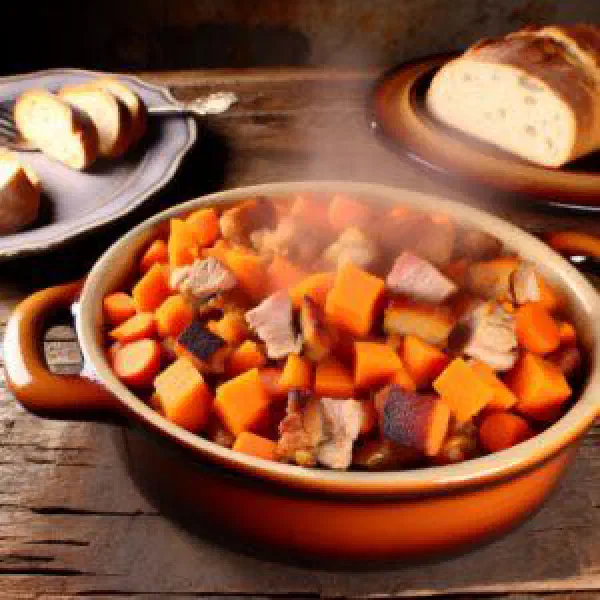
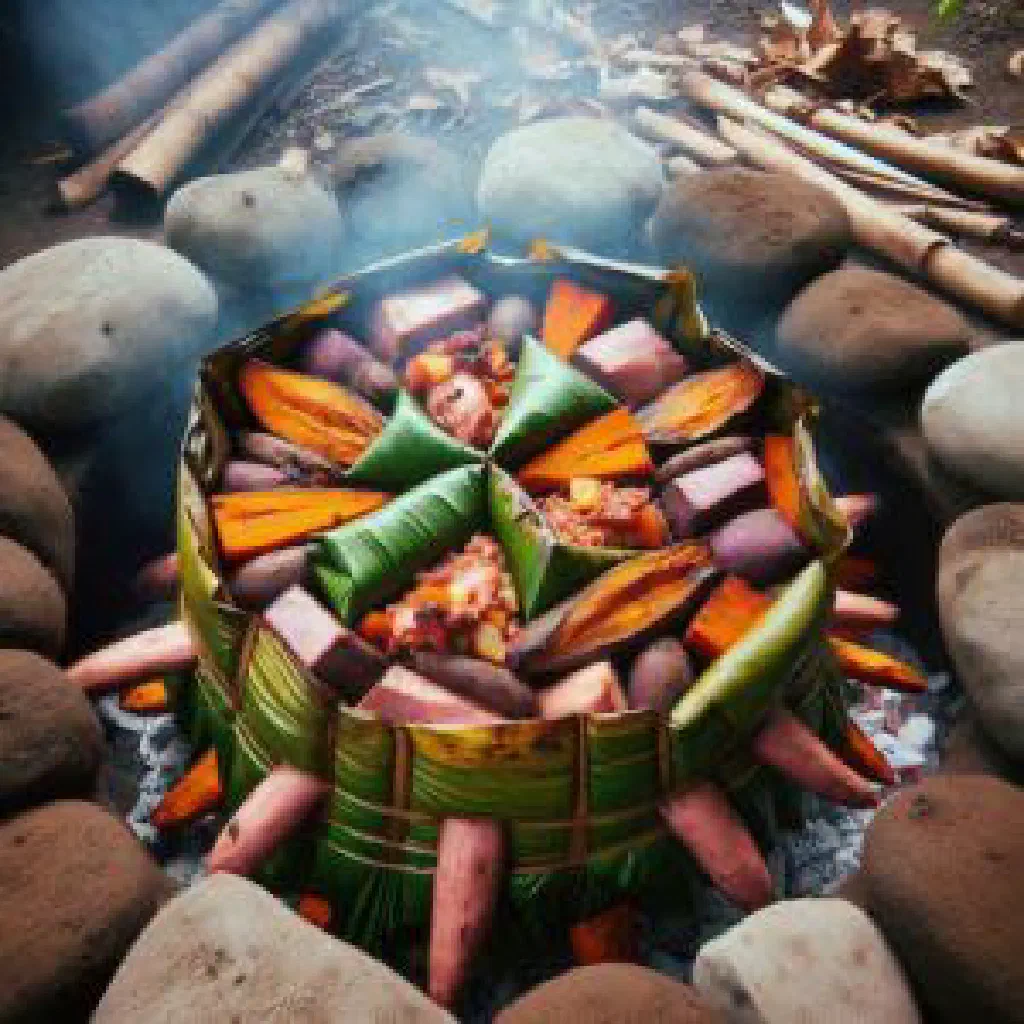
Mumu is an earth oven and everything cooked in it. Stones are heated in a fire, food is layered over them in banana leaves with coconut milk poured through, and the whole thing is buried and left for several hours. It feeds a village.
About Mumu
Papua New Guinea has over 800 languages and enormous cultural variety, but the mumu is common across much of the country. It is what happens at a feast: a pit, hot stones, pork, sweet potato, taro, greens and coconut milk.
The pig is central. Pigs are wealth in the highlands, and killing one is a serious social act rather than a casual meal.
Ingredients (serves 1–2)
- 500 g pork, cut into large pieces
- 2 sweet potatoes, peeled and quartered
- 1 large yam, peeled and cut into thick slices
- 2 taro roots, peeled and halved
- 1 banana heart, outer leaves removed and sliced into strips
- A handful of leaf spinach
- 2 garlic cloves, finely chopped
- 1 onion, roughly chopped
- 1 litre coconut milk
- Banana leaves, for wrapping the ingredients
- Black pepper and salt, to taste
Shopping for the ingredients
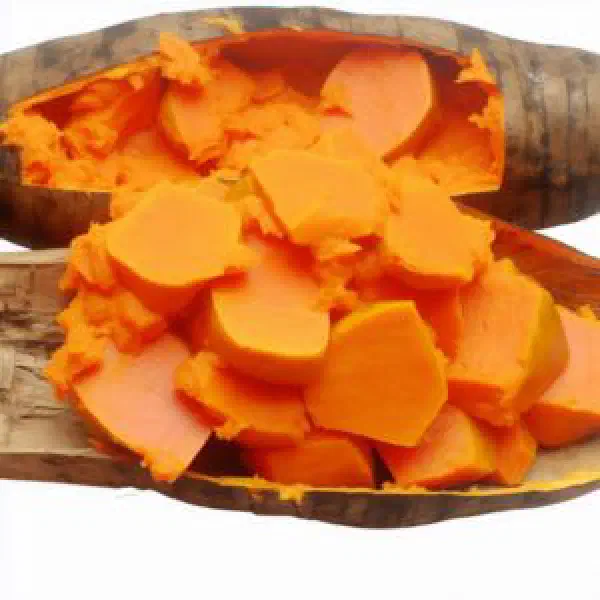
Kaukau, the sweet potato, is the highlands staple and the most important vegetable here. Banana leaves are sold frozen in Asian shops. Pork belly or shoulder with fat gives the best result. Fresh coconut cream beats tinned by a distance.
Preparing the dish
Soften the banana leaves over a flame so they fold without splitting. Cut everything large. For a domestic version, layer it all in a heavy casserole, cover tightly and cook at 150°C for three hours, which approximates the pit reasonably.
Step-by-step instructions
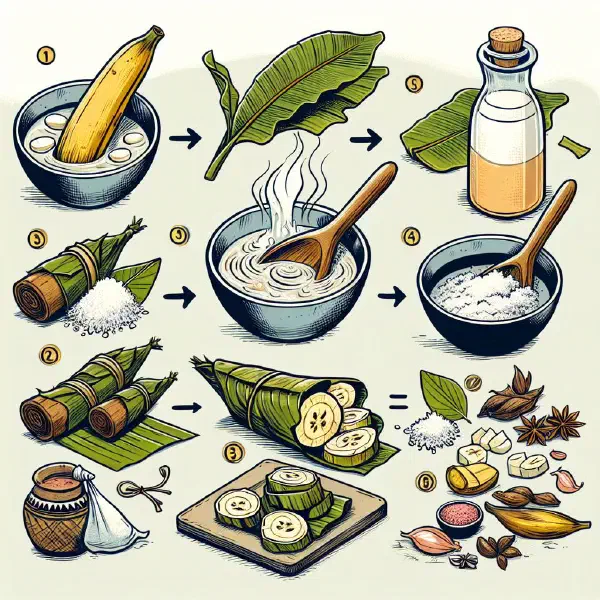
- Heat the earth oven by filling it with hot stones, or heat a heavy casserole for the domestic version.
- Lay a first layer of banana leaves over the stones.
- Add the pieces of pork and cover them with another layer of leaves.
- Now build up the root vegetables and the remaining greens on top.
- Pour the coconut milk over the ingredients and season with salt and pepper.
- Cover everything with a final layer of banana leaves and seal completely.
- Let it cook for several hours, or 3 hours at 150°C in a covered casserole.
- Once the vegetables are soft and the meat is tender, lift the layers of banana leaves carefully aside and serve.
Gluten-free / lactose-free version
Mumu contains no gluten and no dairy, since coconut milk does the enriching. It is naturally suitable for both restrictions.
Tips for vegans and vegetarians
A vegetable mumu with kaukau, taro, yam, pumpkin and greens in coconut milk works well, since the method is steaming. Pumpkin leaves in coconut milk is the standard greens dish and is naturally vegan.
More tips and tricks
Seal it completely. The method depends entirely on trapped steam and any gap dries everything out. Soften the leaves over a flame before folding. And put the meat at the bottom, closest to the heat, with the greens on top where they cook least.
Adapting the recipe to your taste
Chicken mumu is the everyday version. Aigir is the coastal variant with more fish and coconut. Banana heart is worth including if you can find it.
Ingredient substitutions
A heavy lidded casserole in a low oven replaces the pit. Foil substitutes for banana leaves at real cost to flavour. Sweet potato replaces kaukau.
Drink pairing ideas
Kulau, young coconut water, straight from the nut. SP Lager is the national beer. Water otherwise.
Serving and presentation ideas
Open the parcel where everyone can see and smell it. Serve straight from the leaves onto plates or more leaves. It is communal food and the opening is part of the occasion.
A bit of history
Earth ovens are Melanesian and Polynesian and go back thousands of years. In the PNG highlands the mumu is tied to pig exchange, a system of obligation and status that structures social relations. It anchors Papua New Guinean cuisine.
More recipe ideas
Summary: Mumu
Mumu is pork, root vegetables and greens layered in banana leaves with coconut milk and steamed in an earth oven. Seal it completely, meat at the bottom, and open it in front of people.