National Dish Papua New Guinea: Palusami (Recipe)
In this article
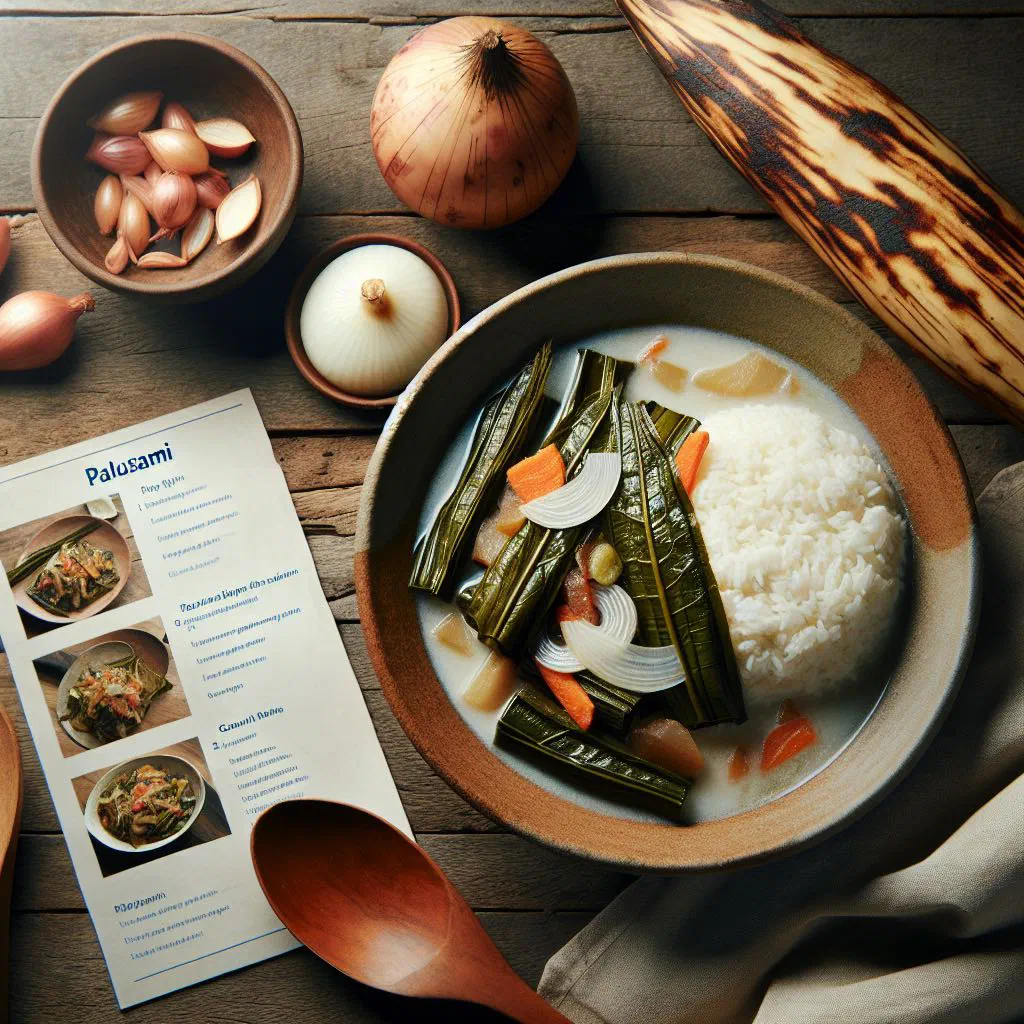
Meet Palusami, the island classic that turns a handful of humble leaves into something genuinely special. Tender taro leaves are wrapped around a rich filling of coconut milk and onion, bundled up in banana leaf and gently steamed until everything collapses into silky, savoury softness. It is simple food with real depth, the kind of dish that tastes of warm air, ocean breeze and a shared table.
About Palusami
Palusami is a fascinating dish from Papua New Guinea that reflects the culinary traditions and sheer richness of the region’s food culture. At its heart are taro leaves, filled with a creamy mixture of coconut milk and onions. The dish is often enriched with meat or fish, which makes it wonderfully versatile. Wrapped in banana or pandanus leaves, this combination delivers a unique eating experience that is treasured in Papua New Guinea and well beyond its shores.
Ingredients (serves 1–2)
- 10 fresh taro leaves
- 200 ml coconut milk
- 1 onion, finely chopped
- 100 g meat or fish (optional)
- Salt to taste
- Pepper to taste
- Banana or pandanus leaves, for wrapping
Shopping for the ingredients
To make palusami properly, tracking down the right ingredients matters. Fresh taro leaves are often available in Asian grocers or specialist delicatessens. The coconut milk should be of good quality, as it carries a large share of the flavour. If you would like to prepare the dish with meat or fish, local markets are an excellent source of fresh produce, the same care you would take when shopping for a Coconut Fish Curry.
Preparing the dish
Preparing palusami begins with washing the taro leaves thoroughly. Rinse them under running water to remove any dirt or grit, then pat them carefully dry and trim away the thicker stems for a better texture. Next, make up the filling from coconut milk, onions and, if you like, meat or fish, and mix everything together well.
Step-by-step instructions
- Spread the taro leaves out on a clean work surface.
- Distribute the prepared filling evenly across the leaves.
- Carefully wrap the leaves around the filling and secure them so nothing escapes.
- Pack the parcels into banana or pandanus leaves and seal them well.
- Steam for around 40–60 minutes, until the leaves are tender.
- Open the parcels gently after steaming, serve and enjoy.
Gluten-free / lactose-free version
Palusami is naturally gluten-free and lactose-free, which makes it an excellent choice for anyone with those intolerances. The main ingredients, taro leaves and coconut milk, suit every gluten-free or lactose-free diet. Do take care when choosing your meat or fish to avoid heavily processed products, so you can be certain they contain no hidden gluten. That way you can enjoy a safe and thoroughly tasty dish.
Tips for vegans and vegetarians
For vegans and vegetarians, palusami is a first-rate option and adapts with almost no effort. Simply leave out the meat or fish and let the remaining ingredients carry the dish. The pairing of coconut milk and onions delivers an intense, delicious flavour even without any animal products. Experiment with extra vegetables or spices to shape the dish further to your own taste.
More tips and tricks
To deepen the flavour of palusami, you can lift the filling with spices such as cumin or turmeric. A pinch of chilli brings a pleasant, gentle heat into play. It is also perfectly possible to use other green leaves such as spinach in place of taro leaves if they are easier to find where you live.
Adapting the recipe to your taste
The beauty of palusami lies in its versatility, which makes it easy to tailor to individual tastes. Try different herbs and spices in the filling to vary the flavour. You can also fold in additions such as a sharp cheese or nutty notes for extra character. Dial the heat and the seasoning up or down until the dish matches exactly what you enjoy.
Ingredient substitutions
If you struggle to find particular ingredients for palusami, there are excellent alternatives. Instead of taro leaves you can use other large, sturdy leaves, while almond or soya milk can stand in for coconut milk if you fancy trying a different flavour. The filling can also be built around pulses or quinoa for a protein-rich variation, much like the hearty approach behind a Yam Stew. Give your creativity free rein and find your own perfect mix.
Drink pairing ideas
To round off the palusami experience, pair the dish with something refreshing. Chilled coconut water or a fruity island cocktail works particularly well against the creaminess of the filling, a Kulau Drink is the obvious local choice. Home-made fruit juices or a sparkling mineral lemonade also add a welcome lift. Choose drinks that complement the flavours of palusami and the whole meal comes together beautifully.
Serving and presentation ideas
Presentation can have a real impact on how palusami is received. Serve it on a large platter or in individual portions to create a warm, generous atmosphere. Garnishes of fresh coriander or pieces of fruit make the dish visually appealing and sharpen the flavour at the same time. Play with colours and textures, a bright Watercress Salad alongside does wonders, to whet your guests’ appetites still further.
A bit of history
Palusami has a history within the culture of the indigenous peoples of Papua New Guinea. The dish is often served at festive occasions or communal meals. Preparing it is regarded as an art, passed down from one generation to the next. This traditional food embodies the region’s Papua New Guinean cuisine and speaks of the values of community and gathering that sit at the centre of indigenous life.
More recipe ideas
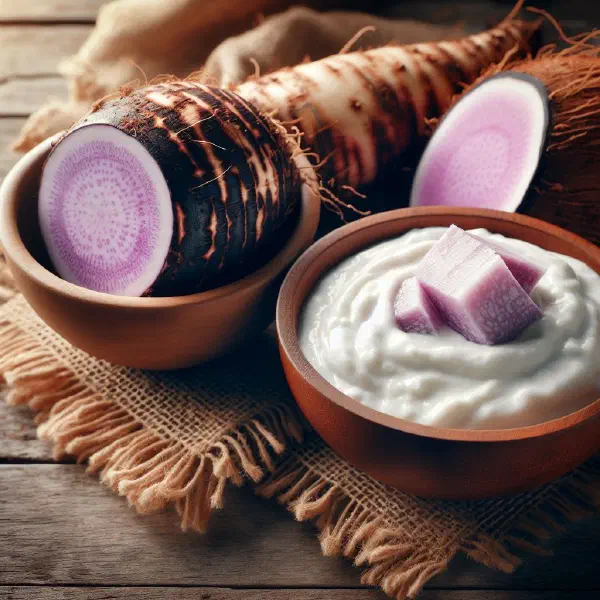
- Taro And Coconut Cream
- Pumpkin Leaves In Coconut Milk
- Aibika With Coconut
- Banana Leaf Baked Fish
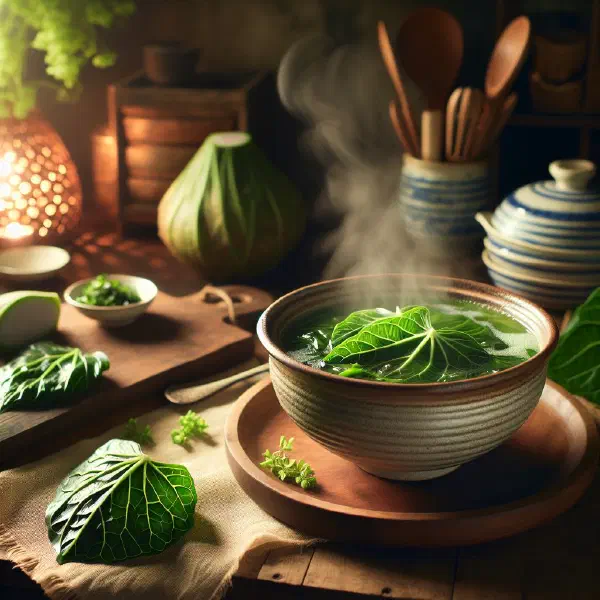
- Taro Leaf Soup
Summary: Palusami
In short, palusami is an exquisite dish from Papua New Guinea that brings the flavours of coconut milk and taro leaves together in perfect harmony. There are countless ways to vary and adapt it to personal taste, from vegan options through to gluten-free alternatives. The traditional method of cooking in leaves creates a distinctive flavour that appeals to guests and family alike. Palusami is therefore not merely a dish but a cultural experience, one that captures the taste of the islands.