National Dish Papua New Guinea: Sago Pancakes (Recipe)
In this article
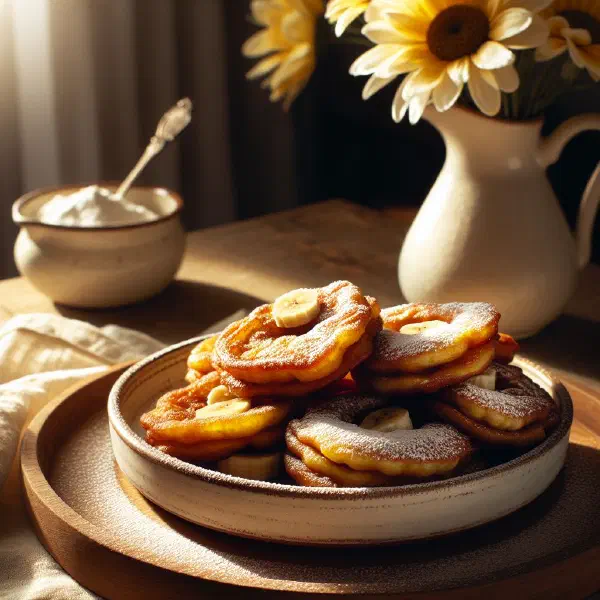
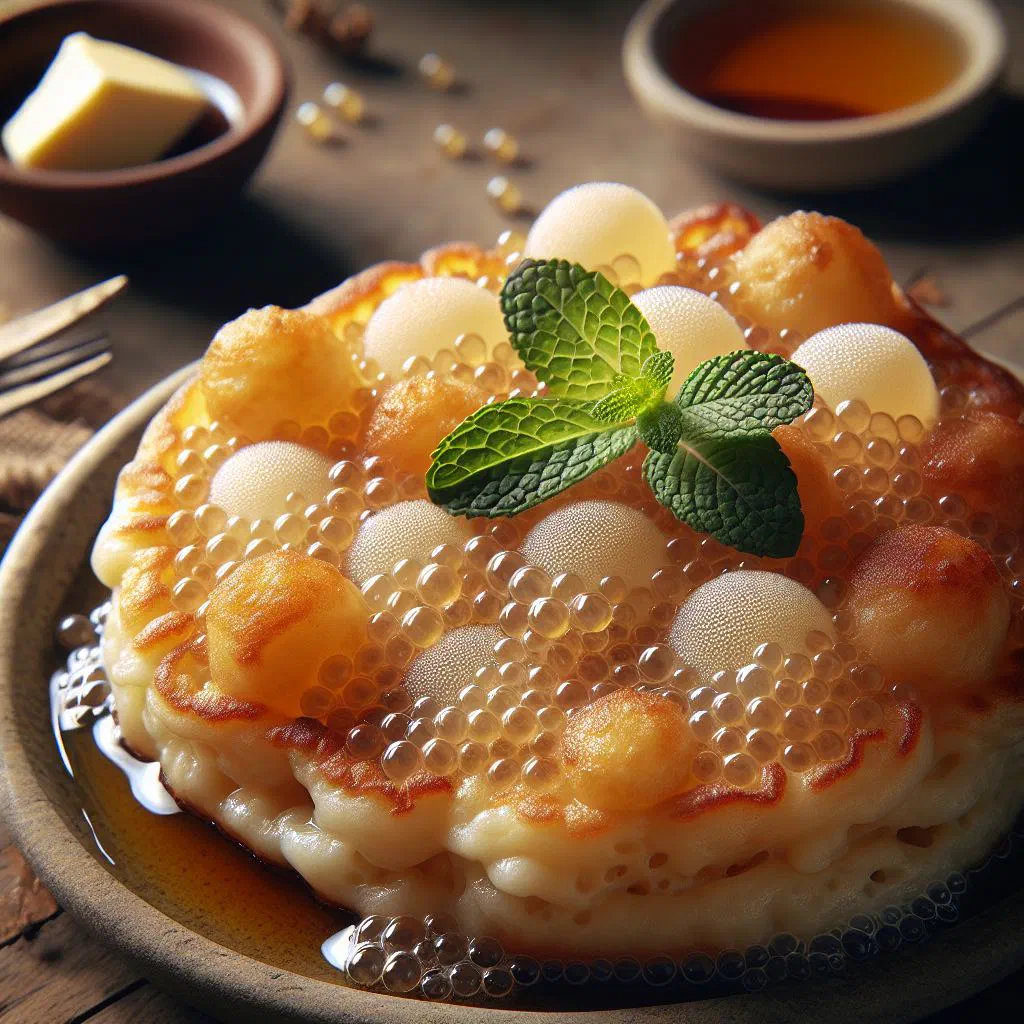
Discover Sago Pancakes, a simple pleasure from the kitchens of Papua New Guinea. Made from the starchy flour of the sago palm, these golden little pancakes are gently sweet, tender in the middle and crisp at the edges. They take barely a handful of ingredients and a few minutes at the stove, yet they carry centuries of island tradition in every bite. Serve them warm with honey for breakfast, or keep a plate on hand as an afternoon snack.
About Sago Pancakes
Sago pancakes are a traditional dish from Papua New Guinea that tastes wonderful and carries a long history besides. Sago flour, won from the pith of the sago palm, is the main ingredient and gives the pancakes their distinctive texture and flavour. They are as welcome at breakfast as they are as a snack between meals, and because they come together so easily they bring a touch of the tropics to any kitchen, much like a bowl of Coconut Sago does.
Ingredients (serves 1–2)
- 1 cup sago flour
- 1 cup water
- 2 tablespoons sugar
- 1 pinch of salt
- Oil, for frying
Shopping for the ingredients
The ingredients for sago pancakes are easy enough to track down. Sago flour may not be stocked in every supermarket, but Asian grocers and specialist food shops usually carry it. Sugar and salt will already be in most store cupboards. When buying oil, choose a good-quality vegetable oil that stands up well to frying.
Preparing the dish
Before you start on the sago pancakes, set out and measure all your ingredients. It keeps the process tidy and saves time once the pan is hot. It also pays to have a non-stick frying pan ready so nothing sticks and tears. If you are cooking for a gluten-free or lactose-free diet, check your ingredients carefully for any additives.
Step-by-step instructions
- In a bowl, mix the sago flour, water, sugar and salt thoroughly until you have a smooth, even batter.
- Heat a little oil in a non-stick pan and spoon in a small amount of the batter.
- Fry the pancakes over a medium heat until golden brown on each side, roughly 3–4 minutes per side.
- Transfer the finished pancakes to a plate and carry on with the rest of the batter until it is used up.
- Serve the sago pancakes warm, finished with a drizzle of honey or syrup if you like.
Gluten-free / lactose-free version
One of the great advantages of sago pancakes is that they are naturally gluten-free and lactose-free. Using sago flour in place of wheat flour means anyone with a gluten intolerance can tuck in without worry. Just be sure to pick lactose-free options for the oil and any additions, should that matter for your table. The dish stays suitable for a wide range of dietary needs.
Tips for vegans and vegetarians
Sago pancakes are ideal for vegans, as they contain no animal products at all. To make them a shade healthier, swap the sugar for maple syrup or coconut sugar. You can also work fresh fruit or seeds into the batter for an extra dose of nutrients. It is a fuss-free recipe that suits anyone eating plant-based.
More tips and tricks
Patience helps when making sago pancakes. Let the batter rest for a few minutes so it can take up the liquid properly. Experiment with different sweeteners, or add spices such as cinnamon or vanilla for extra depth of flavour. For a crisper texture, fry the batter in a little more oil.
Adapting the recipe to your taste
Sago pancakes are easy to bend to personal preference. Adjust the sugar to suit your sweet tooth, or stir in extras such as desiccated coconut. If you like things fruity, blend puréed fruit into the batter or serve the pancakes with a fruit sauce, the same trick that lifts a plate of Banana Fritters. There is plenty of room to be creative.
Ingredient substitutions
If you cannot lay your hands on sago flour, cassava flour or tapioca flour will stand in nicely in most cases. There are alternatives for the sweetness too: stevia or honey both work as natural sweeteners. For a slightly different eating experience, try scattering chia seeds or linseeds through the batter. Be bold and experiment with what you have.
Drink pairing ideas
Plenty of drinks go beautifully with sago pancakes. A freshly brewed hibiscus tea or a fruity smoothie such as a Pawpaw Smoothie complements their sweetness and soft texture perfectly. If you prefer something more classic, a cup of coffee or black tea is a fine choice. Try different teas or fruit juices to find your favourite combination.
Serving and presentation ideas
Presentation matters when it comes to serving sago pancakes well. Stack them on an attractive plate and garnish with fresh fruit or herbs. A drizzle of honey or syrup over the top adds flavour and looks appealing into the bargain. A nicely dressed plate gives the whole meal a festive feel.
A bit of history
Sago pancakes have their roots in the traditional cooking of Papua New Guinea, where sago is a staple food. Across many cultures the starch has been used for centuries to make nourishing, filling dishes. Turning sago flour into pancakes speaks to the adaptability of the local kitchen and mirrors long-standing customs and traditions. It is exactly those cultural threads that make this corner of Papua New Guinean cuisine so special.
More recipe ideas
Summary: Sago Pancakes
Sago pancakes are a straightforward, delicious dish that offers a glimpse into the traditional cooking of Papua New Guinea. Naturally gluten-free and lactose-free, they suit a great many diets, and a few small tweaks will bring them into line with almost any taste. Fresh ingredients and a little imagination in the pan only add to the pleasure. Let the sheer range of variations inspire you and discover the world of sago pancakes for yourself.