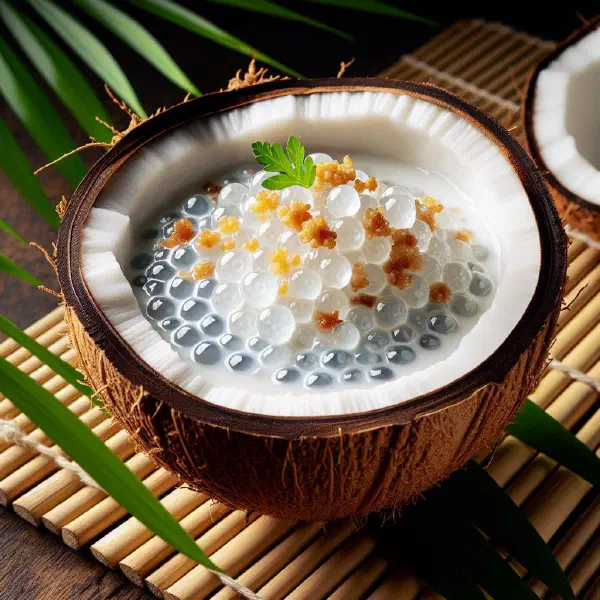
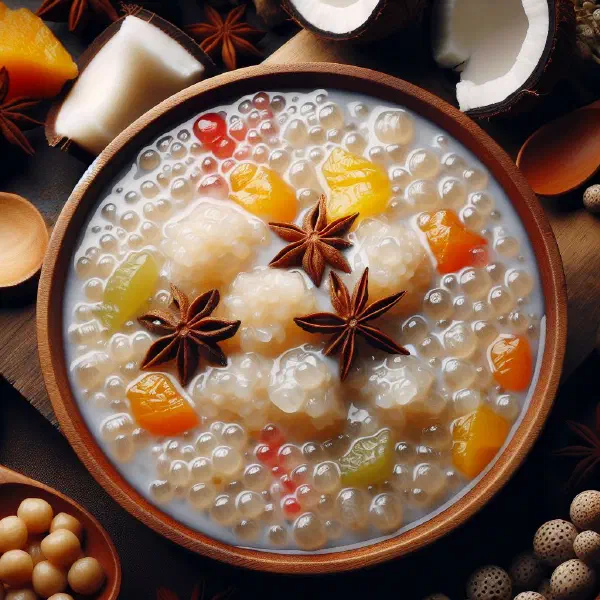
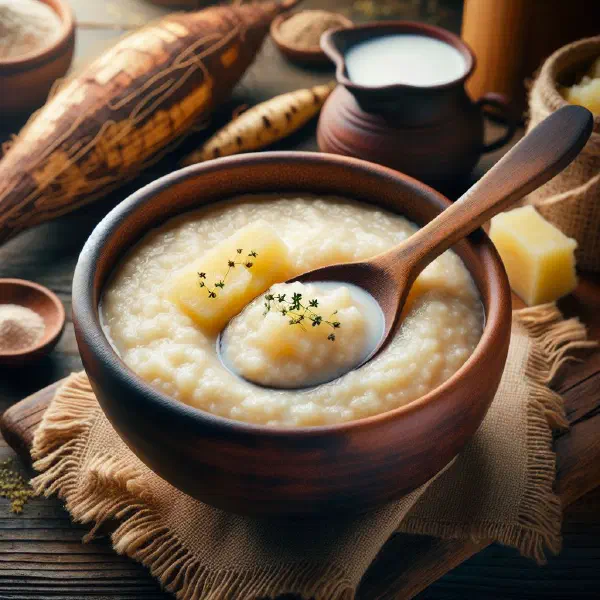
National Dish Papua New Guinea: Tapioca Cake (Recipe)
In this article
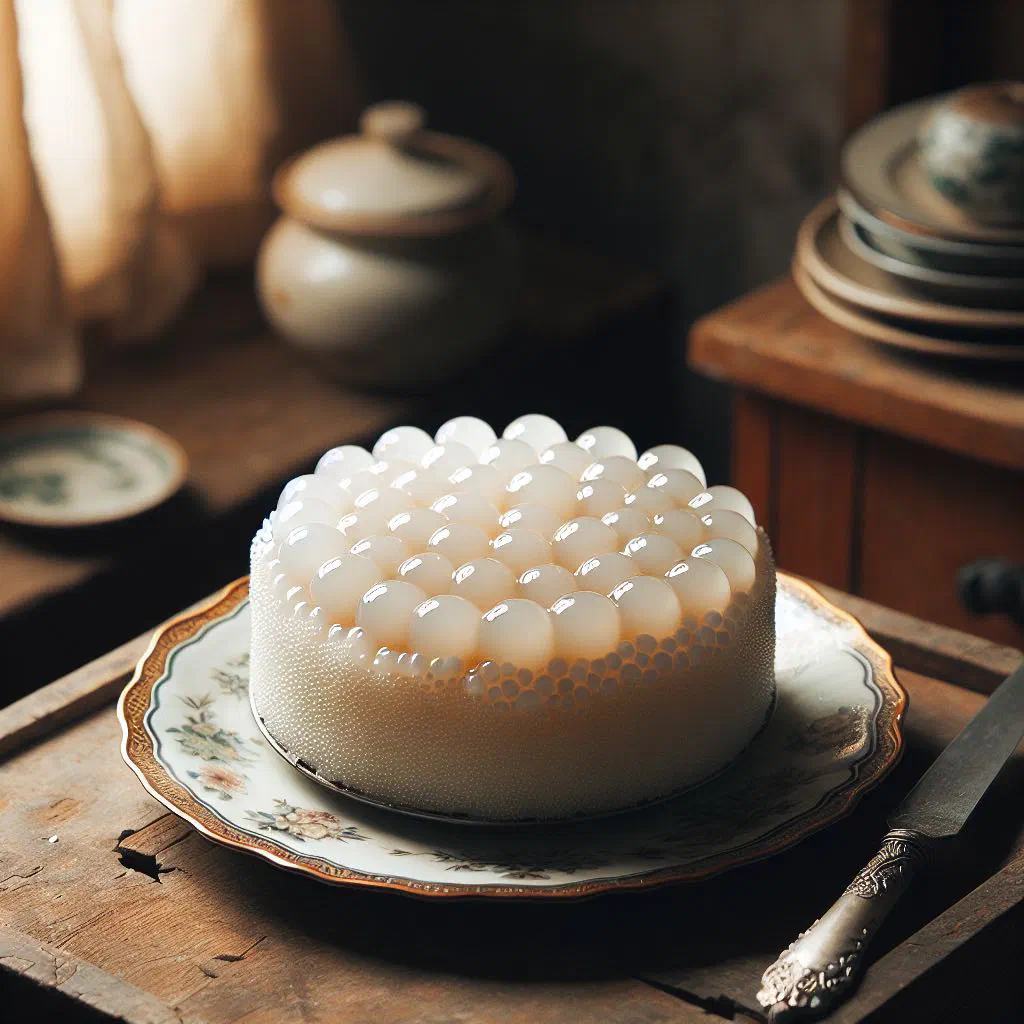
Meet Tapioca Cake, a wonderfully chewy island dessert from Papua New Guinea that turns a handful of humble store-cupboard ingredients into something quietly spectacular. Made with tapioca flour and rich coconut milk, it bakes to a golden top and a soft, springy centre unlike any sponge you have tried before. Sweet, fragrant and naturally free from gluten and dairy, it is the sort of bake that disappears from the plate long before the kettle has boiled.
About Tapioca Cake
Tapioca Cake is a traditional sweet from Papua New Guinea, celebrated for its unmistakable texture and gentle, mellow sweetness. The cake is built around tapioca flour, milled from the cassava root, which gives it that characteristic chewy, almost translucent crumb. A few aromatic additions round out the flavour and deepen the eating experience considerably. Tapioca Cake is a genuine treat that deserves a place in any recipe collection.
Ingredients (serves 1–2)
- 150 g tapioca flour
- 100 g sugar
- 300 ml coconut milk
- 1 teaspoon baking powder
- A pinch of salt
- Vanilla extract, to taste
Shopping for the ingredients
Making Tapioca Cake calls for a couple of specialist ingredients that are not stocked in every supermarket. Tapioca flour and coconut milk are usually easy to find in Asian grocery shops or in larger, well-stocked supermarkets. When choosing your sugar, a good-quality raw sugar will give you the fullest flavour. If you are baking for a weekend or a special occasion, buy everything in advance so nothing holds you up on the day.
Preparing the dish
Before you begin baking, measure out all the ingredients and line them up ready to go. This makes the process smoother and means nothing gets forgotten halfway through. It is worth preparing the tin in advance too, greasing it with butter or vegetable oil so the finished cake lifts out cleanly. While you work, heat the oven to 180°C.
Step-by-step instructions
- In a large bowl, combine the tapioca flour, sugar, baking powder and a pinch of salt.
- Pour in the coconut milk and the vanilla extract, then stir thoroughly until you have a smooth, even batter.
- Tip the batter into the prepared tin and spread it out level.
- Bake in the preheated oven for around 25–30 minutes, until the top is golden brown.
- Take the cake out of the oven and let it cool completely before serving.
Gluten-free / lactose-free version
One of the great advantages of Tapioca Cake is that it is naturally free from gluten and lactose. That means anyone with an intolerance can enjoy this splendid dessert without a second thought. The recipe relies entirely on plant-based ingredients, so the cake is suitable for vegans as well. Do check the label on your coconut milk, though, to be sure no dairy products have been added.
Tips for vegans and vegetarians
For vegans, Tapioca Cake is an ideal choice, since every ingredient in it is plant-based. To bring a fruity lift to the crumb, try folding fruit such as banana or mango into the batter. Adding spices or nuts is another interesting way to vary the texture, much as you would with Banana Fritters. Experiment with different combinations and you will soon arrive at a version that feels entirely your own.
More tips and tricks
Keep your Tapioca Cake in an airtight container and it will stay fresh for days. If you fancy something more elaborate, finish it with a cream topping of coconut cream or fresh fruit. To make the most of the flavour, serve the cake with a cup of freshly brewed coffee or tea, the warmth draws out its gentle coconut aroma beautifully.
Adapting the recipe to your taste
Tapioca Cake is a forgiving recipe that takes readily to personal preference. If you like your desserts on the sweeter side, simply add a little more sugar. Alternatively, cut the sugar back and serve the cake with a fruit sauce instead, in the spirit of Green Mango Chutney.
Ingredient substitutions
If you find yourself short of an ingredient, there are some rewarding alternatives. In place of coconut milk, almond or oat milk will give the cake a character of its own. And if you have no baking powder to hand, bicarbonate of soda combined with a squeeze of lemon juice does the job nicely. Either way, the cake stays light and thoroughly delicious.
Drink pairing ideas
Tapioca Cake sits happily beside all sorts of drinks. A fruity tea or a classic coffee are natural partners, while coconut water picks up the flavours in the cake itself. It is worth trying fresh juices too, pineapple or mango bring a bright note to the whole plate, as does a chilled Pawpaw Smoothie. The right pairing can lift a simple dessert enormously.
Serving and presentation ideas
A thoughtful presentation makes the whole experience better. Serve the cake on an elegant dessert plate and garnish it with fresh berries or a mint leaf for colour and freshness. If you like, spoon over a lightly sweetened coconut cream as a sauce. Cut the cake into neat, even squares and arrange them attractively rather than piling them up.
A bit of history
Tapioca Cake has its roots in the traditional kitchens of Papua New Guinea, where cassava root and other native ingredients have long been everyday staples. These foods are nourishing and deeply woven into local culture and daily life. The cake reflects the variety and richness of Papua New Guinean cuisine and shows how such traditions pass down through the generations, much as they do in Sago Pudding. In many households it is a fixture at feasts and celebrations.
More recipe ideas
- Tapioca And Banana Cake
- Steamed Tapioca With Coconut Sauce
- Cassava Porridge
- Banana Sago Pudding
- Pandanus Nut Cake
Summary: Tapioca Cake
Tapioca Cake is a versatile and thoroughly delicious dessert that brings the flavours of Papua New Guinea into your own kitchen with very little fuss. Straightforward to make and flexible in its ingredients, it suits celebrations just as well as a quiet afternoon coffee. Let the variety and tradition behind this singular bake inspire you, and put something a little exotic on the table. Enjoy every mouthful, the aromas alone are worth the effort.