National Dish Papua New Guinea: Taro and Coconut Cream (Recipe)
In this article
Discover Taro and Coconut Cream, a quietly brilliant classic from the islands of Papua New Guinea. Earthy taro root meets the gentle, creamy sweetness of coconut milk in a dish that tastes of the tropics yet takes very little effort to make. It works beautifully as a main course or as a side, and it offers a lovely way into a cuisine that many cooks have never explored. A few simple ingredients, a warm pan and you are there.
About Taro and Coconut Cream
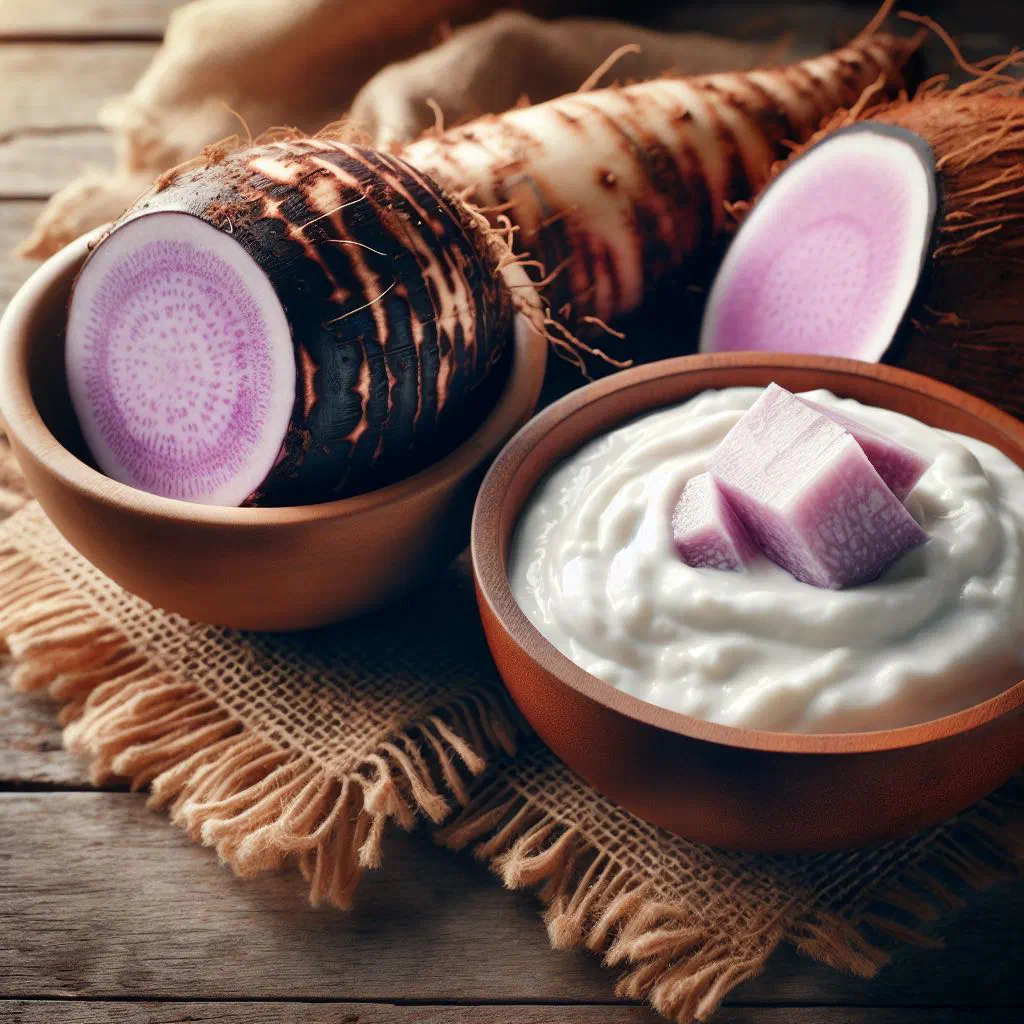
Taro with coconut cream is an often underrated dish that comes straight out of the rich culinary tradition of Papua New Guinea. Taro, a starchy tuber, is not only nourishing but carries a distinctive, earthy flavour that pairs perfectly with the creamy sweetness of coconut milk. The dish is simple to put together and gives you a wonderful excuse to explore the island cooking of the region. Taro with coconut cream will win over just about anyone at the table.
Ingredients (serves 1–2)
- 200 g taro
- 200 ml coconut milk
- 1 teaspoon salt
- 1 teaspoon sugar (optional)
- Fresh herbs to garnish (coriander or parsley, for example)
Shopping for the ingredients
When buying taro, it pays to look in an Asian grocery or a well-stocked supermarket, as it is not stocked everywhere. Choose tubers that are firm and undamaged, with no cracks or dark patches. The coconut milk should be of good quality so you get the fullest flavour from the dish. Fresh herbs are easy to find in any food shop, and they add welcome brightness to the finished plate.
Preparing the dish
To make taro with coconut cream, start by cleaning the taro thoroughly. Peel the tubers and cut them into evenly sized pieces so they cook at the same rate. Pre-boiling the taro in salted water helps the flavour develop and gives the pieces a tender texture. Drain the taro well afterwards while you get the coconut milk ready.
Step-by-step instructions
- Bring a pan of water to the boil and add the taro pieces.
- Simmer the taro for about 15–20 minutes, until tender.
- Meanwhile, warm the coconut milk in a small pan and season with salt and, if you like, a little sugar.
- Drain the cooked taro and tip it into a bowl.
- Pour the warm coconut milk over the taro and fold everything together gently.
- Garnish with fresh herbs and serve.
Gluten-free / lactose-free version
This dish is naturally gluten-free and is just as easily made lactose-free, since coconut milk contains no dairy at all. Every ingredient here is plant-based, which makes the recipe well suited to anyone living with food intolerances. The great advantage is that a wide range of dietary needs can be met without changing the character of the dish. Enjoy the flavours with no worries about gluten or lactose.
Tips for vegans and vegetarians
Taro with coconut cream is naturally vegan and vegetarian, and it takes happily to all sorts of plant-based additions. Fold in steamed vegetables or pulses, for instance, to build a more nourishing plate, much as you would with Pumpkin Leaves in Coconut Milk. Play with different spices or a pinch of chilli flakes to give the dish a bit of excitement. It can stand as a main meal or serve as a side to other vegan dishes.
More tips and tricks
To make sure your taro comes out just right, keep an eye on the cooking time, overcooking turns the pieces mushy. It also helps to let the taro sit in the coconut milk for a few minutes after cooking so it soaks up the flavour. For extra texture, scatter over toasted nuts or seeds. Vary the amount of coconut milk slightly to get the consistency exactly how you like it.
Adapting the recipe to your taste
Depending on what you enjoy, you can adapt the recipe by adding different vegetables or spices. If you prefer a bit of heat, a little fresh chilli or chilli oil gives the dish a pleasant kick. Should you like it sweeter, simply increase the sugar in the coconut milk.
Ingredient substitutions
If taro is nowhere to be found, the recipe also works with sweet potato or yam, both of which behave similarly in the pan, the same roots that carry Wild Yam Mash and Kau Kau. Instead of coconut milk you could use oat or almond milk for a slightly different flavour profile. These alternatives are easy to pick up in supermarkets or health food shops and let you cook with whatever is available. Trust your greengrocer to point you towards the best produce on the day.
Drink pairing ideas
Refreshing drinks suit taro with coconut cream best. Think ice-cold hibiscus tea or fresh coconut water. Both sit beautifully alongside the tropical character of the dish and lift its flavours. You might also mix a classic piña colada or a tropical smoothie to make the meal feel like a proper occasion. Experiment with the combinations until you find the one that pleases you most.
Serving and presentation ideas
To present the dish well, serve it in an attractive bowl and garnish with fresh herbs. Laying everything out on large platters is a lovely way to create a family-style meal. A squeeze of lime or lemon adds a fresh accent that cuts through the richness. Let the colours of the ingredients shine, and consider a few edible flowers as a final flourish.
A bit of history
Taro has a long history as a staple food across many tropical regions, Papua New Guinea very much included. The use of coconut milk in the cooking here brings together Polynesian and Asian influences, a thread you can follow through much of Papua New Guinean cuisine. Taro is not simply nourishing; it holds real significance in local culture and tradition, from everyday meals to feast days. In this delicious pairing of taro and coconut milk we taste the food and the customs and stories of the country.
More recipe ideas
Summary: Taro and Coconut Cream
Taro with coconut cream is a simple and delicious dish that fits any meal, whether as a main course or a side. The pairing of taro and coconut milk brings tropical flavours into your kitchen and offers a real taste of the rich culture of Papua New Guinea. With a few tweaks and a little imagination you can shape the recipe entirely around your own preferences. Treat yourself and your guests to this quietly memorable dish.