National Dish Papua New Guinea: Tulip Greens with Coconut (Recipe)

In this article
Meet Tulip Greens with Coconut, a gently fragrant island dish that shows just how much flavour a handful of simple ingredients can deliver. Tender leaves soften in a pan of creamy coconut milk scented with onion, garlic and ginger, giving you a light main course or a generous side in barely twenty minutes. It is fresh, naturally plant-based cooking of the kind that has fed Papua New Guinea’s villages for generations.
About Tulip Greens with Coconut
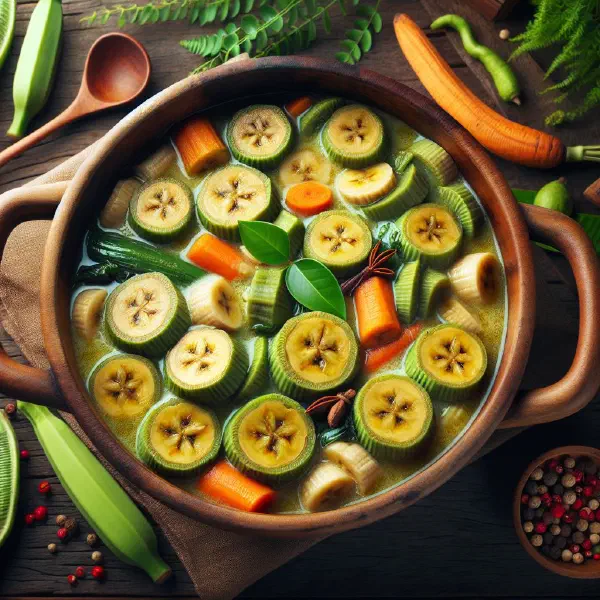
The dish Tulip Greens with Coconut is a truly exotic national dish from Papua New Guinea that wins people over with its fresh, uncomplicated flavours. It pairs tender tulip leaves with rich, creamy coconut milk to create a taste experience quite unlike anything else. Preparation is straightforward, which makes it a perfect choice for a light main course or a delicious side dish. Let the natural freshness and gentle aromas of this Pacific cooking inspire you.
Ingredients (serves 1–2)
- 200 g fresh tulip leaves
- 200 ml coconut milk
- 1 small onion, chopped
- 2 cloves of garlic, chopped
- 1 teaspoon grated ginger
- Salt and pepper to taste
- 1 tablespoon vegetable oil
Shopping for the ingredients
When shopping for Tulip Greens with Coconut, choose fresh tulip leaves from a source you trust. They are most often found in specialist Asian or exotic grocery shops. Look for leaves that appear healthy, with no discolouration or signs of mould. Coconut milk is easy to find in tins in the tinned-goods aisle, or as a fresh version in the chiller cabinet. The remaining ingredients, onions, garlic and ginger, are stocked by any well-supplied supermarket.
Preparing the dish
Getting ready for Tulip Greens with Coconut is simple and fuss-free. Begin by washing the tulip leaves thoroughly to remove any dirt and residue. Then chop the onion, the garlic and the ginger so everything is ready to go when you start cooking. Careful preparation ensures the flavours come through at their very best once the pan is hot.
Step-by-step instructions
- Heat the vegetable oil in a large frying pan over a medium heat.
- Add the chopped onion and fry until translucent.
- Stir in the chopped garlic and ginger and cook for a further 2 minutes.
- Add the fresh tulip leaves and stir well to coat.
- Pour the coconut milk into the pan and let everything simmer until the leaves are tender.
- Season with salt and pepper and serve the dish piping hot.
Gluten-free / lactose-free version
Tulip Greens with Coconut is naturally gluten-free and lactose-free, which makes it an ideal choice for anyone with those intolerances. None of the ingredients contain gluten or dairy. Do check that the coconut milk you buy has no unwanted additives, and the dish will suit even the strictest dietary needs, much like a bowl of Taro Leaf Soup.
Tips for vegans and vegetarians
The dish is naturally vegan and vegetarian, since every ingredient is plant-based. It offers a nourishing, flavourful option for anyone avoiding animal products. To make it even more substantial, add extra vegetables such as peppers or courgettes. Variations like these bring welcome variety and pack in additional nutrients.
More tips and tricks
There are a few useful tricks that lift Tulip Greens with Coconut even further. Experiment with different herbs and spices to give the dish your own signature. Scattering toasted nuts or seeds over the top adds an interesting texture and an extra layer of flavour. Small adjustments like these turn a traditional dish into something entirely your own.
Adapting the recipe to your taste
This recipe offers plenty of scope for adaptation. You can turn up the heat by adding fresh chillies, or ring the changes with different vegetables. Prefer something more substantial? Stir in cooked lentils or chickpeas. That flexibility means the dish is not only delicious but easily matched to a wide range of tastes and preferences.
Ingredient substitutions
If fresh tulip leaves prove hard to track down, swap them for other greens such as spinach or chard, the same approach works nicely in Pumpkin Leaves in Coconut Milk. The coconut milk can be replaced with other plant-based milks, though the depth of flavour will change. Different oils, such as coconut or olive oil, can also be used for frying to draw out additional aromas. Experiment with these alternatives to tune the dish to your own palate.
Drink pairing ideas
Several drinks go beautifully with this dish. A refreshing fruit juice such as mango or pineapple complements its tropical notes perfectly. A lightly chilled white wine also makes a lovely partner and underlines the richness of the coconut milk. For an alcohol-free option, coconut water is a wonderfully refreshing match for the flavours on the plate.
Serving and presentation ideas
Presentation can add a great deal to the overall impression of Tulip Greens with Coconut. Serve it in a decorative bowl and garnish with fresh herbs or toasted nuts. A squeeze of lime juice brightens both the colours and the aromas. Colourful plates help make the dish visually appealing and are a simple way to impress your guests.
A bit of history
The cooking of Papua New Guinea is shaped by the diversity of its cultures and the lushness of the land. The use of tulip leaves is a fine example of how local plants have traditionally found their way into the kitchen. Dishes such as this one reflect the close bond islanders have with their environment and show how ingredients can be produced locally and sustainably. Pairing coconut with leafy greens is common across many Pacific cultures and stands for a healthy, balanced diet, a hallmark of Papua New Guinean cuisine.
More recipe ideas
Summary: Tulip Greens with Coconut
In short, Tulip Greens with Coconut is a delicious and easy dish that presents the flavours of Papua New Guinea in an inventive way. Fresh tulip leaves and creamy coconut milk give it a character all of its own, healthy and thoroughly satisfying at the same time. This recipe suits just about any occasion. Let the fresh, simple cooking of the region inspire you.