National Dish Paraguay: Chipa He'ê (Recipe)
In this article
Say hello to Chipa He’ê, a golden little cheese bite that Paraguayans reach for at breakfast, at teatime and just about any moment in between. Built around tangy cheese, cassava flour and eggs, these morsels bake up wonderfully airy with a rich, cheesy heart. They are simple to make yet impossible to stop eating, and they carry the warm, homely spirit of Paraguayan cooking straight to your table.
About Chipa He’ê
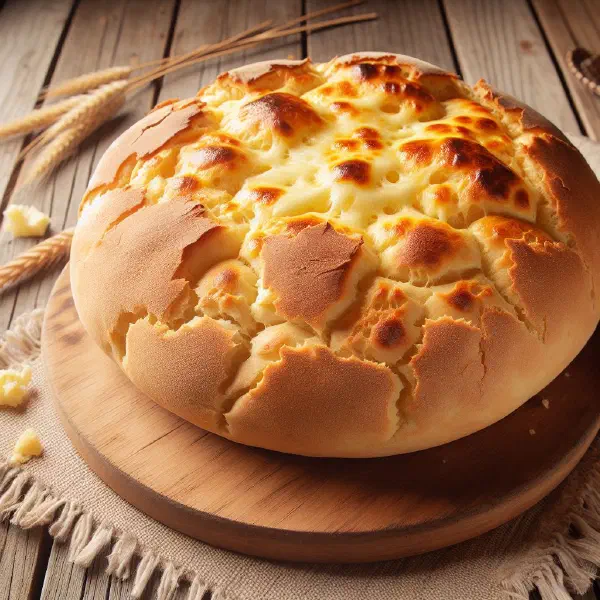
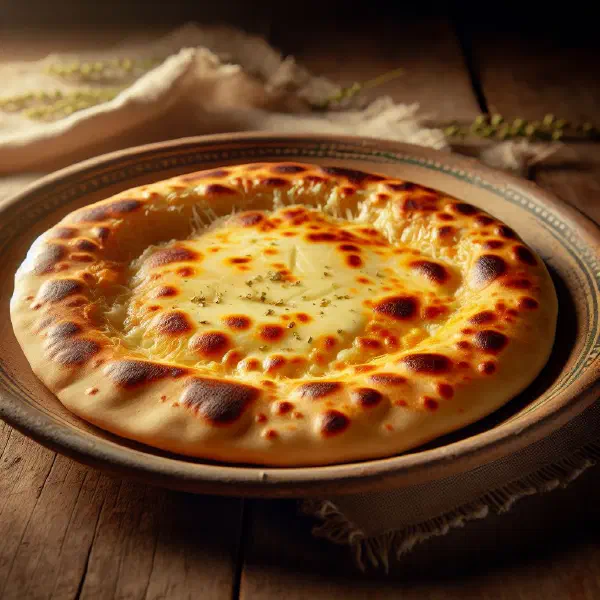
Chipa He’ê is a traditional Paraguayan dish made from a mixture of cheese, cassava flour and eggs. These savoury cheese bites have a lovely airy texture and an intense, cheesy flavour that makes them a firm favourite for all sorts of occasions. Originally served as a snack or at breakfast, they also work beautifully as a side to a range of dishes. Their appeal reaches well beyond Paraguay’s borders, winning over anyone with a fondness for hearty, comforting food.
Ingredients (serves 1–2)
- 200 g cassava flour
- 100 g grated cheese (such as Parmesan or Queso Paraguay)
- 2 eggs
- 50 ml milk (or a plant-based alternative)
- 1 teaspoon salt
- 1/2 teaspoon baking powder
Shopping for the ingredients
Cheese plays a decisive role in the flavour of this dish, so it is worth choosing a good one. Make sure the cassava flour is fresh rather than stale to guarantee the best possible texture. You will find everything you need in most supermarkets, or in a specialist Latin American grocery if you want a more authentic pick of cheeses.
Preparing the dish
Before you start making Chipa He’ê, it helps to have all your ingredients ready to hand. Grating the cheese in advance is a good idea so that it spreads evenly through the dough. The eggs should also be at room temperature for easier mixing, and if you can, take the milk out of the fridge a little ahead of time so it is not too cold when you combine everything.
Step-by-step instructions
- Preheat the oven to 180°C and line a baking tray with baking paper.
- In a large bowl, thoroughly combine the cassava flour, baking powder and salt.
- Add the grated cheese and mix well.
- Pour in the eggs and the milk and knead everything into a smooth dough.
- Shape the dough into small individual pieces and place them on the baking tray.
- Bake the Chipa He’ê for about 20–25 minutes, until golden brown and airy.
Gluten-free / lactose-free version
For a gluten-free version, cassava flour is ideal since it is naturally free from gluten. If you would like to make lactose-free Chipa He’ê, simply use lactose-free cheese and milk. When shopping, check that your ingredients are clearly labelled accordingly. These options mean that anyone with a food intolerance can enjoy this treat too, just as easily as a batch of Mbeju De Queso.
Tips for vegans and vegetarians
For a vegan version of Chipa He’ê, the egg can be replaced with aquafaba (the water from a tin of chickpeas). Use a plant-based cheese that melts well to keep the flavour authentic. Swapping in plant-based milk ensures that vegans can enjoy this dish as well. Experiment with spices and herbs to give the dough an extra dimension of flavour.
More tips and tricks
For the best results, measure the ingredients carefully so you achieve the perfect balance of cheese and dough. Use fresh ingredients to bring out the fullest flavour. If the dough feels too dry, add a splash more milk; if it is too wet, work in a little more cassava flour. Let the finished dough rest before shaping it so the flavours have time to develop.
Adapting the recipe to your taste
The recipe for Chipa He’ê lends itself wonderfully to personal tweaks. You can try different cheeses, such as mozzarella or feta, to discover new flavour profiles. Add herbs or spices to give the dish your own signature touch. The shape can vary too. Try rolling the dough into small balls or pressing it into larger flat rounds.
Ingredient substitutions
If you cannot find cassava flour, other gluten-free flours such as rice flour or cornflour can stand in, though the result may vary slightly. Instead of the usual cheeses you might reach for vegan cheese or smoked cheese to create new aromas. For a more refined bite, fold in a few sun-dried tomatoes or olives. Experiment in small amounts to hit exactly the flavour you are after, much as you would when adjusting a batch of Chipa.
Drink pairing ideas
Chipa He’ê goes beautifully with a refreshing glass of lime water or a tropical smoothie. For the colder months, a fortified wine or a fragrant herbal tea does the trick. Pair the savoury cheese bites with an ice-cold Tereré for a genuinely Paraguayan experience.
Serving and presentation ideas
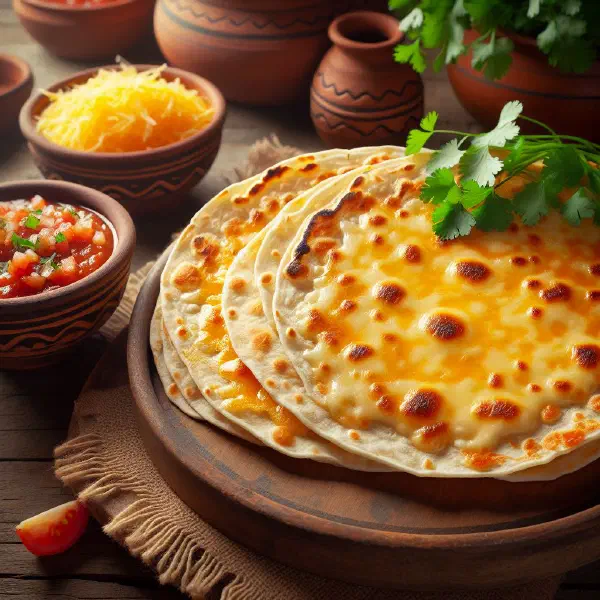
Presentation is key to serving Chipa He’ê in an appealing way, whether as a snack or as part of a larger meal. Arrange the warm cheese bites on a rustic wooden board, perhaps with a fresh green salad or a tomato salsa. For a little variety, scatter the Chipa with herbs to create a fresh, inviting look. These small touches make the dish not only tasty but a pleasure to look at.
A bit of history
Chipa He’ê has its roots in the indigenous culture of Paraguay and is closely tied to the history of the cassava plant. The dish is often associated with Paraguayan identity itself. In rural areas it is still prepared in the traditional way and frequently served at festive occasions. The combination of simple yet high-quality ingredients makes Chipa He’ê a cherished part of Paraguayan cuisine.
More recipe ideas
Summary: Chipa He’ê
Chipa He’ê is a delicious and versatile dish that captures the flavours of Paraguay to perfection. With just a handful of high-quality ingredients, these savoury cheese bites come together quickly and deliver an incomparable taste experience. They are a genuine delicacy that will win everyone over. Let the traditional flavours inspire you and treat your guests to a real culinary pleasure.