National Dish Peru: Panetón (Recipe)
In this article
Discover Panetón, the fragrant sweet bread that lights up Peruvian Christmas tables. This airy, buttery loaf is generously studded with dried fruit and nuts, giving each slice a wonderful texture and a warm, festive aroma. Though it belongs to the holidays, Peruvians happily enjoy it all year round with a hot drink. Bring a slice of Peruvian celebration into your own kitchen with this simple, rewarding recipe.
About Panetón
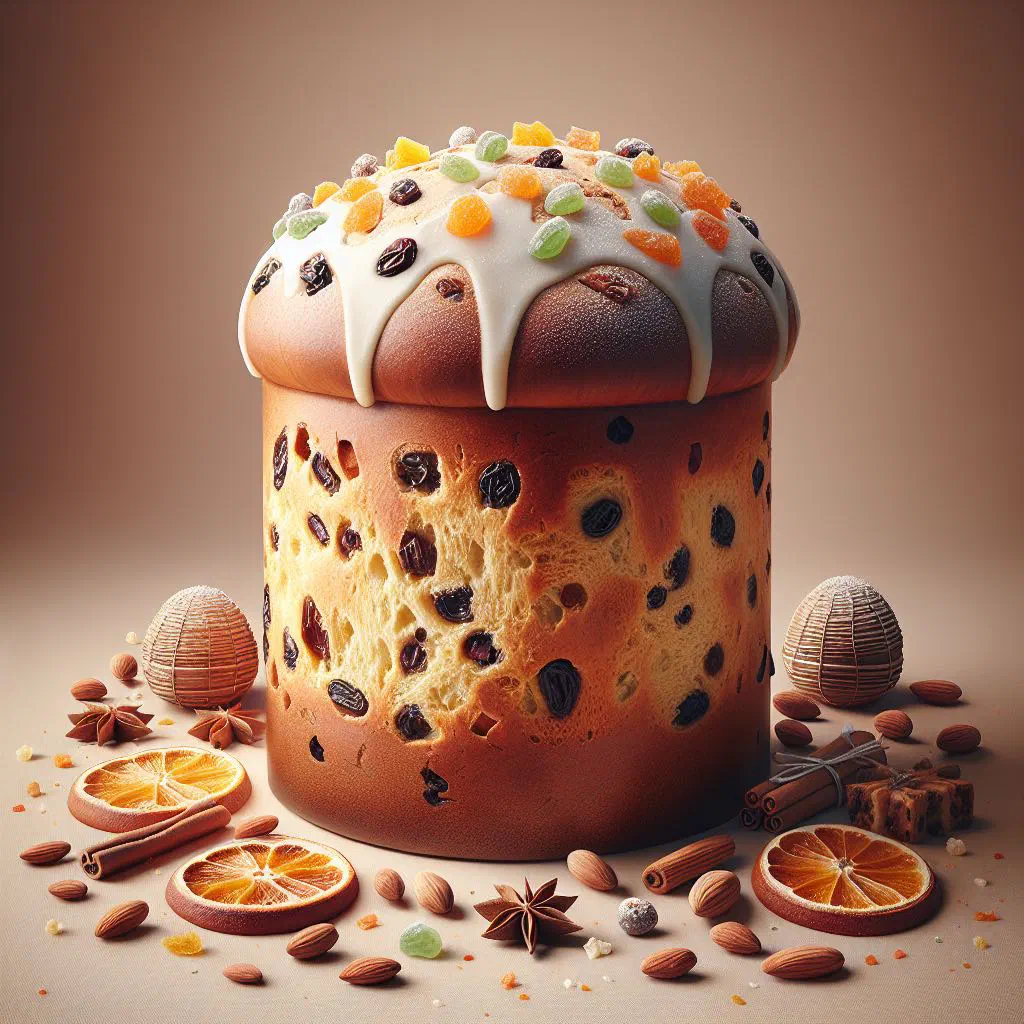
Panetón is far more than a simple cake; it is a symbol of Peruvian Christmas traditions. The moist, airy dough is usually filled with a delicious mix of dried fruit and nuts, which give it its distinctive texture and flavour. Every region in Peru has its own variation, often drawing on family recipes and seasonal ingredients. While it is most closely associated with the festive season, panetón is enjoyed throughout the year, a comforting treat that suits any occasion.
Ingredients (serves 1–2)
- 250 g flour
- 100 g sugar
- 75 g candied fruit
- 50 g nuts (almonds or walnuts)
- 1 sachet dried yeast
- 2 eggs
- 100 ml milk
- 1 tsp cinnamon
- 1 pinch aniseed
- A pinch of salt
Shopping for the ingredients
When shopping for the ingredients for panetón, it pays to look for good-quality produce. Fresh dried fruit and premium nuts contribute enormously to the flavour of the finished loaf. Many supermarkets now have dedicated international sections where you may easily find what you need. Alternatively, a visit to a local market is a great way to pick up fresh, regional ingredients, the same care that goes into Peruvian favourites like Alfajores.
Preparing the dish
Preparing panetón properly is an essential step towards a first-rate result. Begin by roughly chopping the dried fruit and nuts, which ensures they are distributed evenly through the dough so every bite delivers that delicious flavour. Measure out and set aside all the other ingredients too, so the whole process runs smoothly. It also helps to have every piece of equipment you need, mixing bowl, baking tin and mixer, ready to hand before you start.
Step-by-step instructions
- In a bowl, combine the dried yeast with the warm milk and a pinch of sugar, then leave to stand for about 10 minutes until frothy.
- In a large bowl, mix together the flour, sugar, cinnamon, aniseed and salt.
- Add the egg mixture and the yeast, then knead everything thoroughly until you have a smooth dough.
- Fold in the chopped nuts and dried fruit until evenly worked through.
- Transfer the dough to a greased baking tin, cover and leave to rise in a warm place for about 1 hour.
- Bake in a preheated oven at 180°C for around 30–40 minutes, until the panetón is golden brown.
- Leave to cool before serving and dust with icing sugar to taste.
Gluten-free / lactose-free version
Panetón can also be made gluten-free and lactose-free simply by choosing the right alternative ingredients. Gluten-free flour is an excellent option for achieving a similar texture. Instead of regular milk, use a plant-based milk such as almond or oat. When selecting your dried fruit and nuts, check that they are gluten-free too, so nobody misses out on the health benefits or the pleasure of this festive bake.
Tips for vegans and vegetarians
Panetón is easy to adapt for vegans by replacing the eggs with plant-based alternatives such as apple purée or mashed banana. The milk should likewise be swapped for a suitable plant-based milk. The remaining ingredients stay the same and still offer plenty of flavour and texture. These small adjustments open up the pleasure of panetón to everyone who prefers to avoid animal products.
More tips and tricks
To create the perfect panetón, there are a few handy tips and tricks worth remembering. Using your ingredients at room temperature is important, as it helps trap more air in the dough. Measuring accurately is just as crucial for an even bake. Adding essences such as vanilla or orange lends the flavour an extra dimension, so experiment with your own combinations to make the loaf exactly as you like it.
Adapting the recipe to your taste
One of the best things about panetón is its versatility. Depending on your own preferences, you can use different nuts or dried fruits to create a flavour that is uniquely yours. Pistachios work beautifully in place of almonds, while dried figs bring a sweeter, more intense note. Adjustments like these mean everyone who enjoys panetón ends up with a recipe perfectly tuned to their personal taste.
Ingredient substitutions
If you do not have every ingredient to hand, substitutions are a great way to make the recipe a success anyway. Instead of sugar, natural sweeteners such as honey or agave syrup work well. With the nuts you can vary freely by what is available, peanuts, cashews or even sunflower seeds are all worth considering. For the dried fruit, try dried apricots or cranberries for an interesting twist. Alternatives like these help you adapt the recipe and bring a creative spark to your baking, much as they do with a batch of Picarones.
Drink pairing ideas
A range of drinks pairs beautifully with a delicious slice of panetón, each one bringing out the flavour of the bread. A hot cup of hot chocolate is the classic choice and complements the aromas wonderfully. A fresh fruit punch or a frothy coffee also make for a harmonious match. If you prefer something a little stronger, try a spiced mulled wine or a festive punch to underline the celebratory mood, or a glass of Chicha Morada for a truly Peruvian pairing.
Serving and presentation ideas
The presentation of panetón can be elevated with just a few simple touches. Serve the bread in an attractive tin or on an elegant cake stand. A fine dusting of icing sugar adds a festive finish. You can also decorate with fresh fruit or edible flowers to please the eye and create an inviting overall picture. A beautiful presentation whets the appetite and makes the whole experience all the more memorable.
A bit of history
The origins of panetón reach back to an Italian tradition, where it is known as panettone. With the immigration of Italians to Peru, the doughs and recipes were adopted and adapted locally. Today panetón is a festive fixture of Peruvian culture, especially during the Christmas season. It is made both at home and in bakeries, and has become an important symbol of togetherness and family tradition within Peruvian cuisine.
More recipe ideas
Summary: Panetón
In summary, Panetón is a delicious and culturally significant bake that is both easy to make and wonderfully adaptable. With a wide choice of fillings and preparation styles, you can tailor the recipe entirely to your own taste. This treat brings enjoyment to the table and a slice of Peruvian tradition into your kitchen. Panetón is sure to enchant you.