National Dish Peru: Patasca (Recipe)
In this article
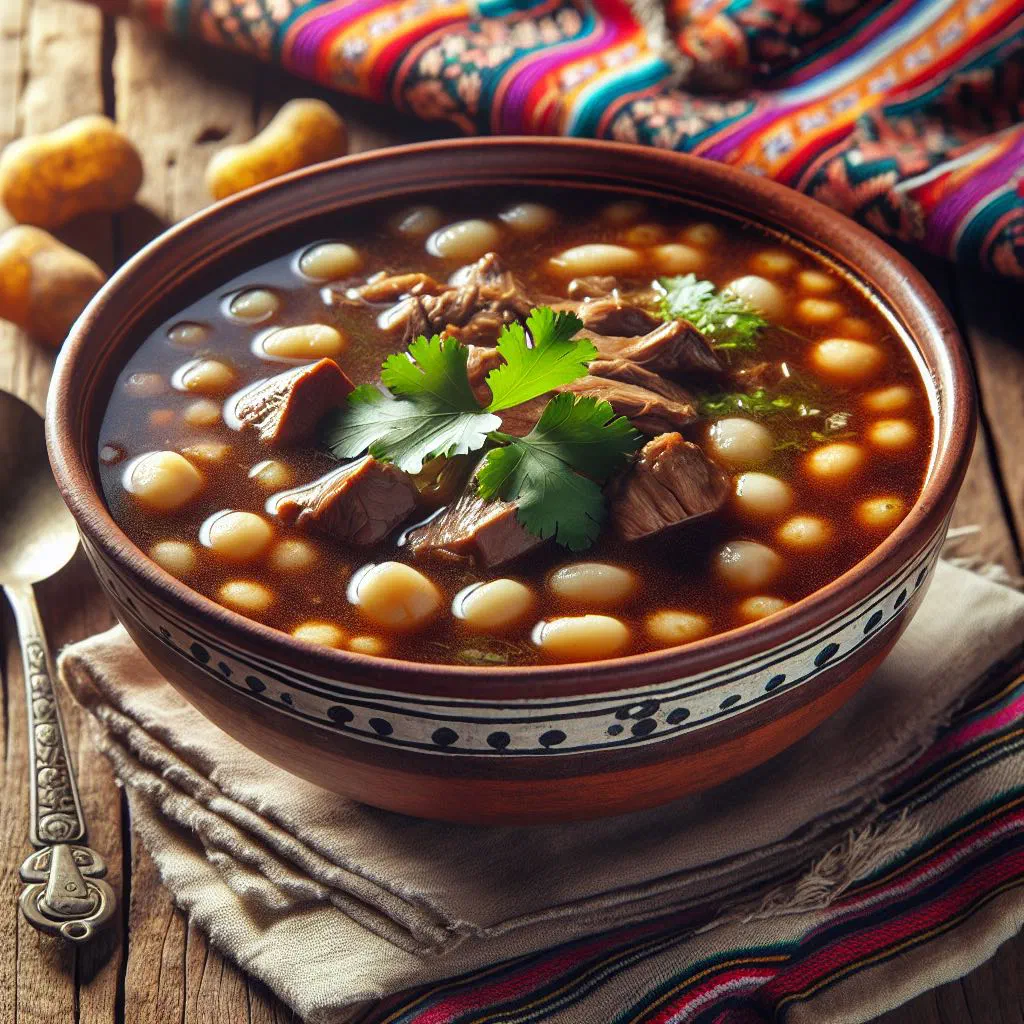
Warm, hearty and steeped in tradition, Patasca is one of Peru’s great Andean comfort foods. This slow-simmered stew brings together tender meat, plump hominy corn and a fragrant mix of spices for a bowl that feels like a celebration in itself. Especially beloved in the Arequipa region, it is the kind of dish made for cold evenings and gatherings with friends and family. Bring a taste of the high Andes straight to your own table.
About Patasca
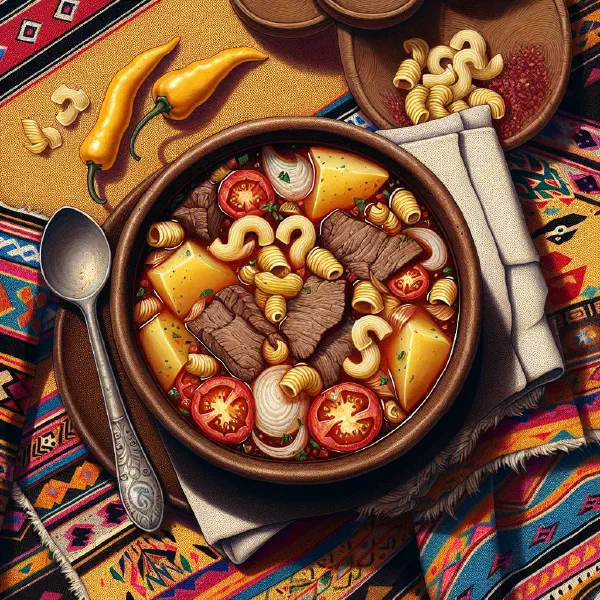
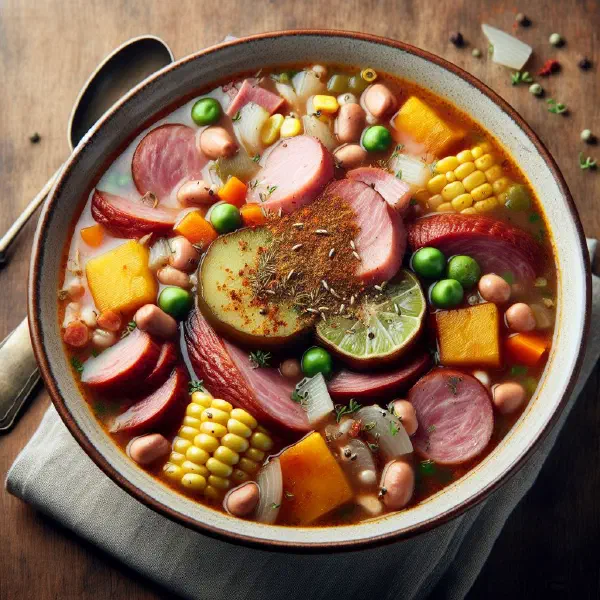
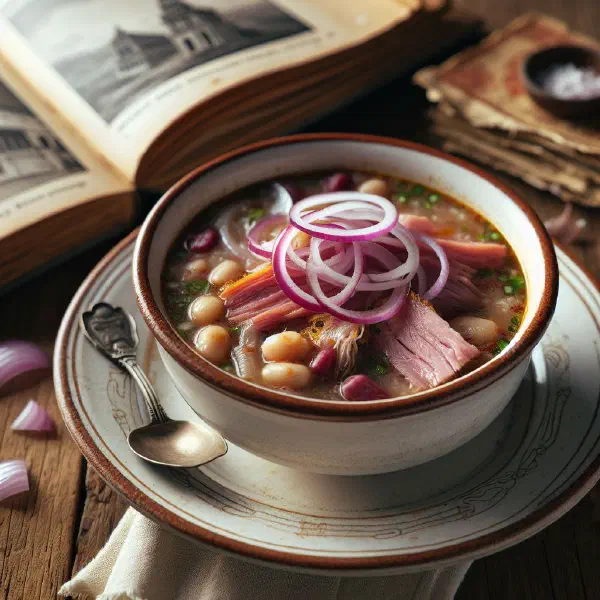
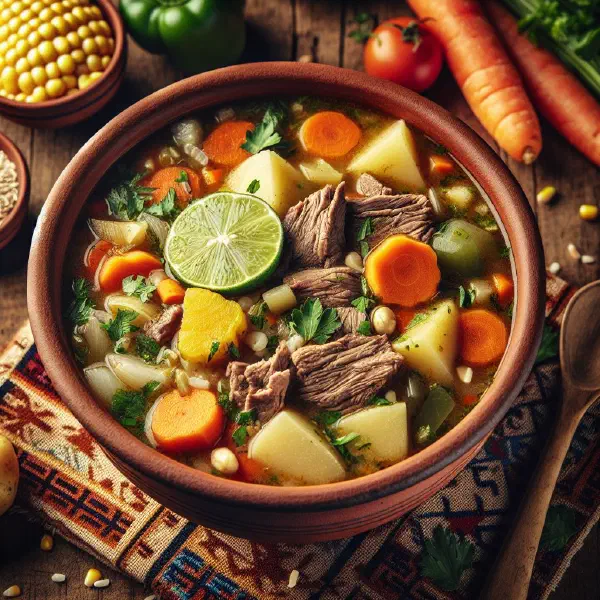
Patasca is a traditional Peruvian stew that appeals to the palate and brings a piece of culture to the table. With its roots in the Andes, this dish is especially popular in the Arequipa region. It combines tender meat, typically lamb or beef, with home-cooked hominy corn and a wealth of aromatic spices. Patasca is more than just a dish; it is a symbol of community and celebration, perfect for sociable occasions and wintry evenings, and a proud example of Peruvian cuisine.
Ingredients (serves 1–2)
- 250 g tender meat (lamb or beef)
- 100 g dried hominy corn
- 1 onion, chopped
- 2 carrots, diced
- 3 garlic cloves, chopped
- 1 tsp cumin
- Salt and pepper to taste
- 2 litres water or stock
- Fresh herbs (such as coriander or parsley), to garnish
Shopping for the ingredients
When shopping for patasca, it is important to pay attention to quality. Visit a local market to buy fresh vegetables and good-quality meat. The dried hominy corn can be found in many Latin American grocery shops or ordered online. Be sure to buy your spices fresh to guarantee the full aroma of your dish.
Preparing the dish
Before you begin making patasca, you should gather and prepare all your ingredients. That means cutting the meat into cubes and chopping the vegetables. The dried corn should be soaked overnight so it turns soft during cooking. These preparations are crucial for ensuring an even cooking process and drawing out the full flavour from every ingredient.
Step-by-step instructions
- Bring the meat to the boil in a large pot with water or stock.
- Add the onion, garlic and carrots and let it simmer over medium heat for 20 minutes.
- Stir in the soaked dried corn and the spices.
- Let the whole thing simmer at a lower temperature for about 1–2 hours, until the meat is tender.
- Before serving, garnish with fresh herbs and season with salt and pepper to taste.
Gluten-free / lactose-free version
Patasca is naturally gluten-free and lactose-free, as long as you make sure that none of the ingredients you use contain hidden gluten or lactose. The stew relies on fresh, natural ingredients, which makes it a great option for people with food intolerances. To be certain, check the packaging on stocks or spice mixes, which can sometimes contain sugar or grains.
Tips for vegans and vegetarians
For vegans and vegetarians, patasca can easily be adapted by using vegetable stock and a selection of vegetables instead of meat. Popular options include squash, sweet potatoes or extra pulses such as beans. To keep that savoury depth, add smoked paprika or a little liquid smoke. These alternatives let you enjoy all the richness of the traditional stew while leaving out animal products.
More tips and tricks
To intensify the flavour of patasca, you can use a blend of different spices such as oregano and paprika. Don’t just cook the stew, let it rest in a cool place for a few hours so the flavours can develop properly. Serving it with a dash of lime juice lends the dish a lovely freshness. Experiment with the spice levels to adjust it exactly to your taste.
Adapting the recipe to your taste
Another advantage of patasca is the flexibility of the recipe. You can vary the type of meat you use, or even switch entirely to plant-based ingredients. Beyond that, you can work in seasonal vegetables to make the most of local produce. These options make the dish accessible to everyone and offer plenty of variety for those following special diets.
Ingredient substitutions
If you can’t find dried hominy corn, fresh or frozen corn also makes an acceptable alternative. For the meat, you can use other protein-rich options such as tempeh or seitan to adapt the dish. Experiment with different stocks too, a vegetable stock provides a lighter but equally tasty base, much as it does in a comforting Chupe De Camarones. These swaps help you tailor the dish to what is available and to your own preferences.
Drink pairing ideas
A weekend family meal with patasca calls for a fitting drink. Traditionally the dish is often served with Chicha Morada, a sweet drink made from purple corn. For something with a little more kick, you could try a Pisco Sour or a pisco with a splash of lime. These drinks complement the hearty, spiced flavours of the dish perfectly and encourage everyone to linger at the table.
Serving and presentation ideas
The presentation of patasca can enhance the whole dining experience. Serve the stew in traditional ceramic or stone bowls to emphasise its Peruvian flair. Garnished with fresh herbs, the dish looks even more inviting and draws the eye. Round it off with warm bread for dipping to extend the meal into something truly satisfying.
A bit of history
Patasca has a long history stretching back to the indigenous cultures of the Andes, who prepared this kind of stew centuries ago. Originally it was cooked in communities for special occasions and festivals. This stew is an expression of the culture and values of the people living in Peru’s high-altitude regions. Over time the recipe has evolved, shaped by various local ingredients and cooking techniques.
More recipe ideas
Summary: Patasca
In summary, patasca is more than just a stew; it is a feast for the senses and a homage to Peruvian culture. With fresh, natural ingredients and a blend of aromas, it brings the warmth of the Andean highlands straight to your table. This dish creates a special atmosphere and makes for lasting memories. Give it a try and let yourself be won over by the traditional flavours and the heartfelt spirit of Peru.