National Dish Peru: Sopa Shambar (Recipe)
In this article
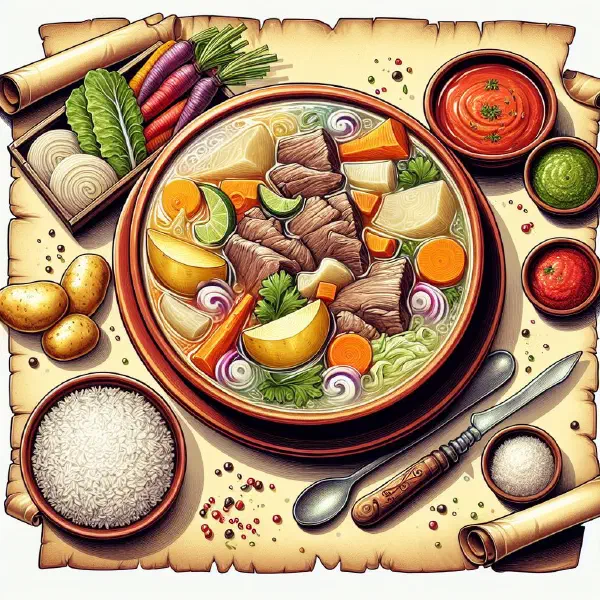
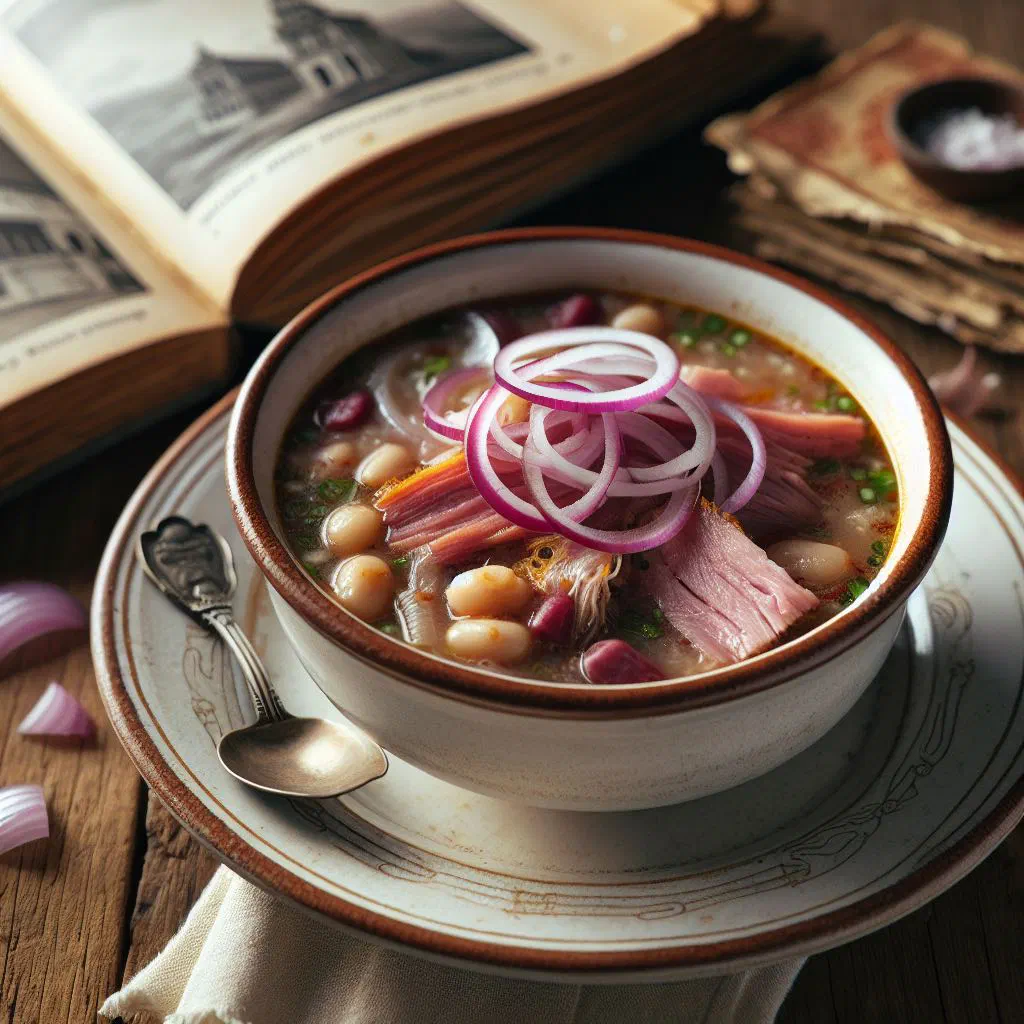
Warm up with Sopa Shambar, a hearty soup from the northern Peruvian region of La Libertad. This soulful bowl brings together tender beef, creamy chickpeas and fragrant fresh herbs in a rich, comforting broth. More than just a meal, it is a symbol of community and tradition, the kind of dish shared around a busy table. Bring a taste of Peru’s north straight into your own kitchen.
About Sopa Shambar
Sopa Shambar is a traditional Peruvian dish with its roots in the region of La Libertad. This aromatic soup is a genuine treat, pairing beef, rice and chickpeas with plenty of fresh herbs. Often regarded as a cornerstone of Peruvian cooking, it reflects the diversity and richness of the cultural influences that shape the country’s cuisine. It is not merely a dish but a symbol of the community and tradition of the region.
Ingredients (serves 1–2)
- 200 g beef, cut into small pieces
- 100 g chickpeas, cooked
- 50 g rice
- 1 litre stock (beef or vegetable)
- 1 onion, chopped
- 2 cloves garlic, chopped
- 1 large carrot, diced
- Fresh herbs (coriander and parsley)
- Salt and pepper to taste
- Olive oil
Shopping for the ingredients
When shopping for the ingredients for Sopa Shambar, it is worth paying attention to how fresh everything is. Visit a local market to pick up fresh vegetables and good-quality beef. Chickpeas are at their best when freshly cooked or properly soaked, so plan ahead if you are using dried ones. Remember to buy plenty of fresh herbs too, as they have a real influence on the final flavour of the soup.
Preparing the dish
Preparing Sopa Shambar is straightforward and calls for just a few basic steps. If you are using dried chickpeas, soak them for several hours first. Cut the beef into small pieces so it cooks evenly, and get the chopping of the onion and garlic out of the way in advance to make the cooking process smoother.
Step-by-step instructions
- Heat a little olive oil in a large pot and add the onion and garlic. Sweat them until translucent.
- Add the beef and fry until lightly browned.
- Stir in the carrot and chickpeas and mix everything well.
- Pour in the stock and bring the soup to the boil.
- Add the rice and let the soup simmer for 20–30 minutes, until the rice is cooked through.
- Season the soup to taste with salt, pepper and fresh herbs.
Gluten-free / lactose-free version
For a gluten-free and lactose-free version of Sopa Shambar, simply use gluten-free rice and make sure the stock contains no gluten-containing ingredients. These small adjustments make the dish suitable for anyone with an intolerance without losing its traditional flavour. If any dairy finds its way into your preparation, be sure to reach for lactose-free products instead.
Tips for vegans and vegetarians
To adapt Sopa Shambar for vegans and vegetarians, swap the beef for tofu or seitan and use vegetable stock in place of the meat-based version. The chickpeas are already plant-based, and fresh herbs give the dish plenty of flavour on their own. Experiment with different vegetables to create a rich, nourishing soup that fits right into plant-based cooking.
More tips and tricks
Choose your ingredients according to the season to get the most freshness and flavour out of Sopa Shambar. You can also add other vegetables to make the soup even more nourishing, spinach and broccoli are both popular additions.
Adapting the recipe to your taste
Everyone has different preferences, and food is no exception. If you like things milder, cut back on the amount of seasoning. Prefer something heartier? Add a little chorizo or other sausage for extra depth of flavour, much as you would in a rustic bowl of Sancochado. You can also double or halve the recipe depending on how many people you are feeding.
Ingredient substitutions
If some ingredients are not to your liking or simply unavailable, there are plenty of alternatives. In place of beef, for instance, you could use chicken or even fish. For a lighter version, quinoa works nicely instead of rice. Swaps like these let you adapt Sopa Shambar to your own needs and tastes.
Drink pairing ideas
To round off the pleasure of Sopa Shambar, a range of drinks works well alongside it. A classic Peruvian beer pairs beautifully with the dish and brings out its flavours. Freshly squeezed citrus juices made from lime or orange are another refreshing accompaniment. Experiment with different drinks to heighten the whole tasting experience.
Serving and presentation ideas
The presentation of your dish plays an important part in the enjoyment of the meal. Serve Sopa Shambar in deep bowls and garnish the soup with fresh herbs. A squeeze of lemon juice can lift the flavours and add a fresh note. Make sure the tableware looks clean and inviting to leave a good impression.
A bit of history
Sopa Shambar has a long history within Peruvian culture. The dish’s origins reach back to old traditions dating from pre-Columbian times. It was often prepared during festivities and special occasions and is regarded as a heartfelt favourite in many families. The recipe has evolved over the years, but its fundamental flavours and ingredients remain to this day, a fine example of hearty Peruvian cuisine.
More recipe ideas
Summary: Sopa Shambar
In summary, Sopa Shambar is a delicious and hearty dish that reflects the cultural diversity of Peru. With its rich combination of beef, chickpeas and fresh herbs, it offers a glimpse into the country’s traditions and plenty of scope for adapting to individual preferences. Sopa Shambar is sure to become a firm favourite in your kitchen.