National Dish Peru: Tarwi (Recipe)
In this article
Meet Tarwi, the humble Andean bean that has quietly nourished Peru for thousands of years. Also known as the lupini bean, it is prized for its remarkable protein content and its gentle, nutty flavour that soaks up dressings beautifully. Versatile enough for salads, dips and hearty mains, tarwi is a genuine treasure of the Andes, and once you have soaked, simmered and dressed a batch, you will understand why the highland kitchens have never let it go.
About Tarwi
Tarwi, also known as the lupini bean, is a fascinating staple of Peru that stands out for its distinctive flavour and for its impressive nutritional profile. The bean is rich in protein, fibre and a wide range of vitamins and minerals, which makes it an excellent choice for a balanced diet. In the Andes, tarwi has a long and proud history, treasured for generations as a traditional food. Its versatility in Peruvian cuisine has made it a much-loved ingredient across countless dishes.
Ingredients (serves 1–2)
- 200 g tarwi (lupini beans)
- 1 medium onion
- 1 large tomato
- 1 small pepper
- 2 tablespoons olive oil
- Juice of 1 lime
- Salt and pepper, to taste
- Fresh herbs (such as coriander or parsley)
Shopping for the ingredients
If you want to buy tarwi, look for it in well-stocked Asian grocers or in shops that specialise in Peruvian or South American foods. The beans are often sold dried and need to be soaked before cooking. Don’t hesitate to ask the staff if you are unsure whether particular varieties or products are available. When buying, check the shelf life of the beans to make sure you are getting fresh, good-quality ingredients.
Preparing the dish
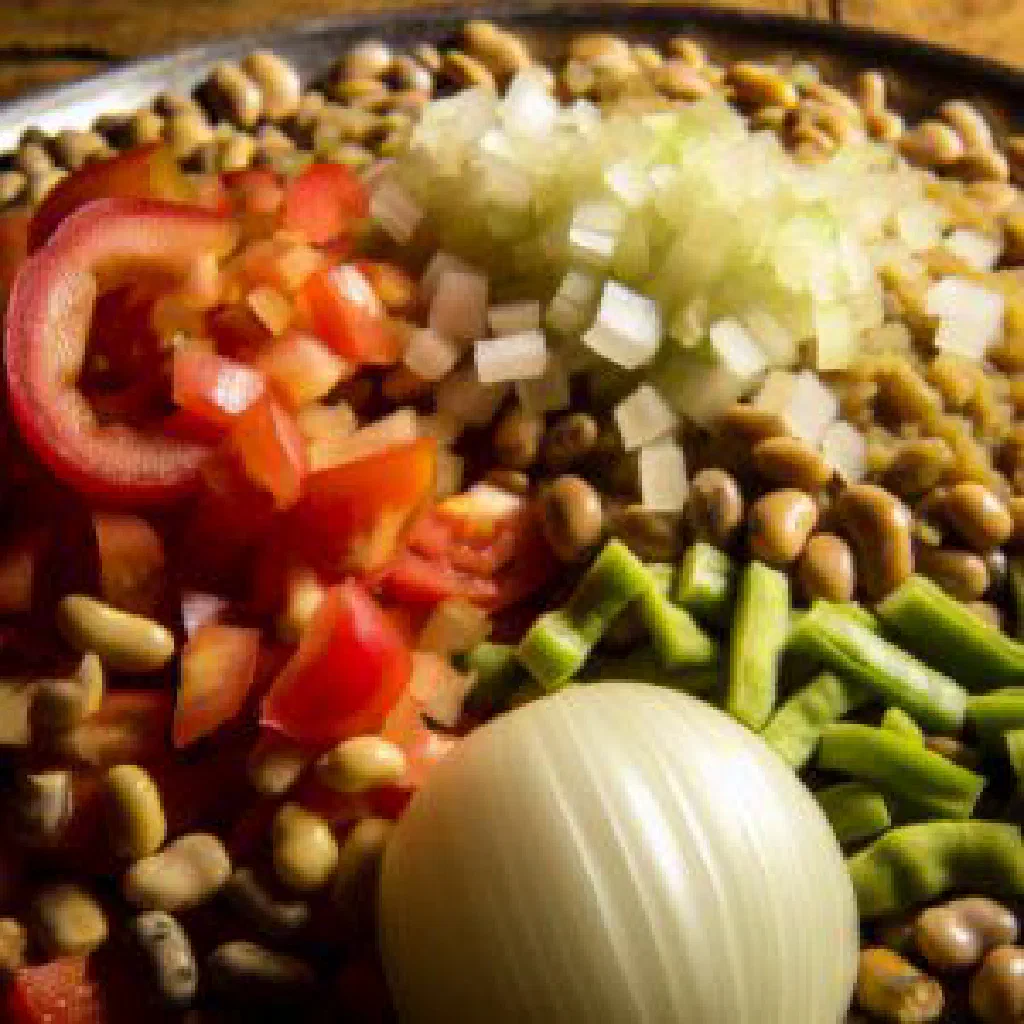
Before you start cooking the tarwi, it is important to rinse the beans thoroughly and soak them in water overnight. This reduces the natural bitterness and helps the beans cook evenly. Before cooking, remove the outer skins along with any grit or debris. Depending on the recipe, you can purée the tarwi or leave it whole to achieve a different consistency and texture. Prepare the vegetables too, washing, peeling and chopping them into small pieces.
Step-by-step instructions
- Bring the soaked tarwi to the boil in a pan of fresh water.
- Cook the beans over medium heat for about 30 minutes, until tender.
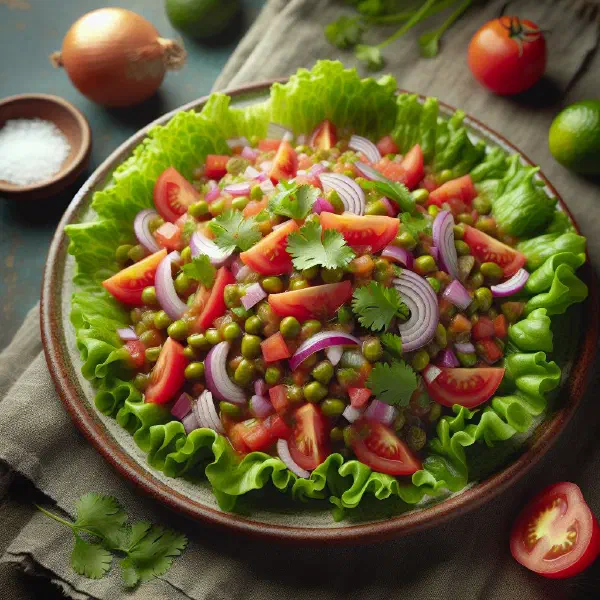
- Put the onion, tomato and pepper in a bowl and toss with olive oil, lime juice, salt and pepper.
- Add the cooked tarwi to the vegetables and mix well.
- Garnish with fresh herbs to taste and serve.
Gluten-free / lactose-free version
Preparing tarwi is naturally gluten-free and lactose-free, which makes it a wonderful option for anyone with allergies or intolerances. You can enjoy the recipe without worry if you avoid gluten or dairy. Do take care, however, to watch out for possible cross-contamination when buying additional ingredients such as olive oil or herbs. That way you can be sure your dish stays completely free from allergens.
Tips for vegans and vegetarians
Tarwi is a fantastic ingredient for vegans and vegetarians, as it is a rich source of protein. By combining it with other plant-based foods you can create nourishing dishes that are both delicious and healthy. Experiment with different vegetables and spices to tailor the dish to your taste. You can also simply toss tarwi into salads or wraps to bring more variety to your plant-based diet, much as you would with a bowl of Ensalada De Quinua.
More tips and tricks
When cooking with tarwi, there are plenty of ways to vary the dish. You might add diced avocado, sweetcorn or even quinoa for extra texture and nutrients. Use fresh spices to intensify the flavour and refine the dish. If it seems a little dry, add a touch more olive oil or lime juice to make it juicier. Experiment with different cooking techniques, such as steaming or grilling, to discover new flavour experiences.
Adapting the recipe to your taste
The great strength of tarwi is its versatility, which lets you adapt the recipe entirely to your taste. If you love bold, spicy flavours, add chilli or hot spices to bring more heat. Those who prefer it milder can opt for a simple dressing of spices and lemon oil. The dish works equally well as a side or a main course, so everyone is sure to land on a flavour they enjoy. You can also vary the portion size to suit the occasion and the number of guests.
Ingredient substitutions
If you can’t find tarwi, there are several alternatives you can use. For example, try white beans or black beans, which offer similar nutrients and textures, the same kind of hearty legumes that anchor a warming Chupe De Habas. For the vegan angle you could also fold tofu or tempeh into your dish. Choosing the right substitutes takes nothing away from the delicious experience; it simply brings new flavours to your food.
Drink pairing ideas
To make the most of a dish featuring tarwi, there are plenty of drinks that round off the experience. A refreshing citrus-based drink built on lemon or lime is perfect for complementing the flavours of the dish. If you fancy something more refined, try a soft white wine or even an ice-cold beer to underline the taste. For an alcohol-free option, chilled herbal teas are an excellent choice.
Serving and presentation ideas
The presentation of your dish can have a big influence on how it is received. Serve the tarwi in a colourful bowl and garnish it with fresh herbs for an inviting look. Use white plates to bring out the colours, and add a little green salad or freshly fried vegetables on the side. Small bowls of different dips or sauces next to the main dish add extra colour and options that make the meal even more exciting, rather like the spread you might build around an Ensalada De Choclo Con Queso.
A bit of history
The use of tarwi in Peruvian culture has a long tradition that stretches back thousands of years. Historically, the bean was highly valued by the Andean peoples for its remarkable nutrient density. Tarwi has not only contributed to nutrition but has also played an important role in the local economy. Today this precious element of Peruvian cuisine is enjoying a renaissance and gaining increasing recognition in international gastronomy.
More recipe ideas
Summary: Tarwi
Tarwi is a promising national dish of Peru that is healthy and thoroughly delicious. With its versatility in preparation and use, this bean offers countless ways to bring the Peruvian kitchen into your own home. The recipe and tips presented here will help you make the most of tarwi in your menu.