National Dish Poland: Baba Wielkanocna (Recipe)
In this article
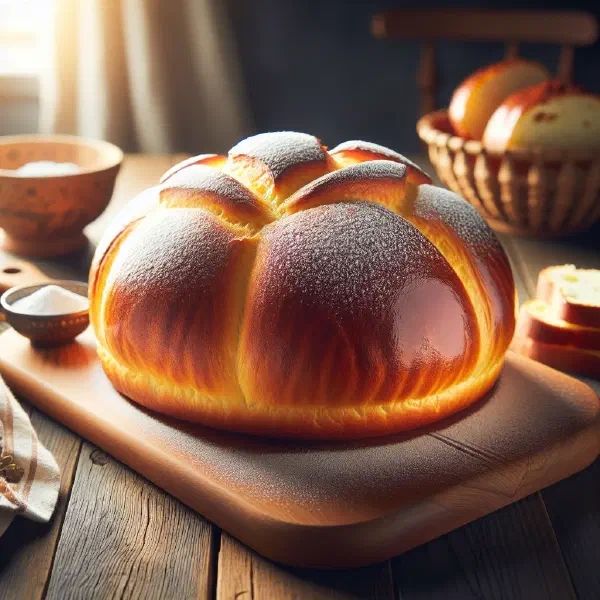
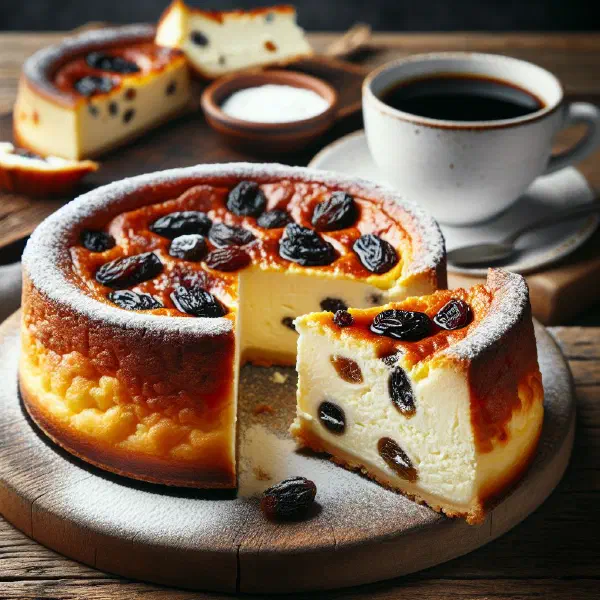
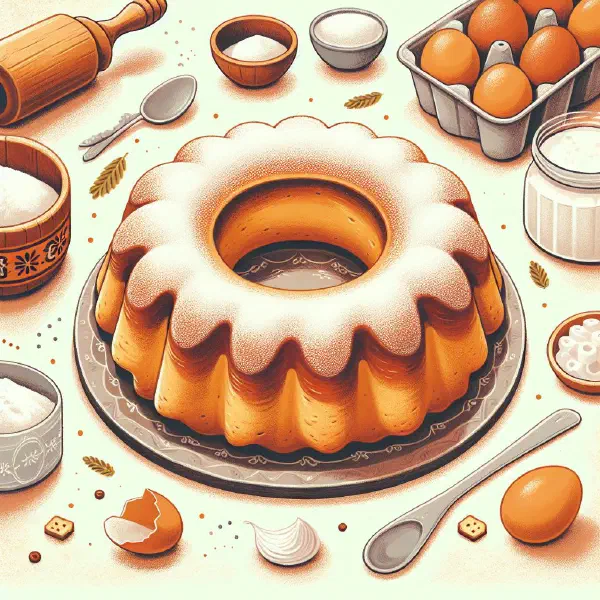
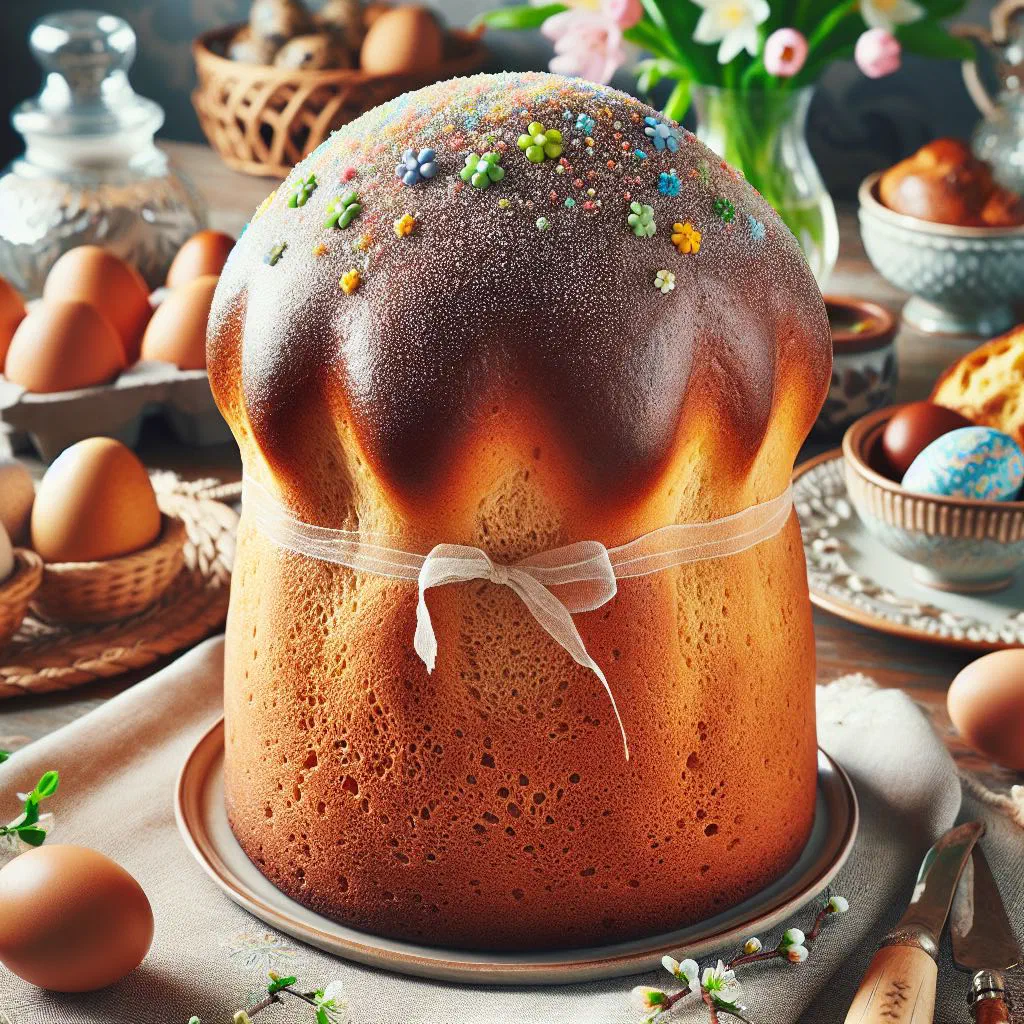
Meet Baba Wielkanocna, the golden, cloud-soft Easter cake that takes pride of place on every Polish holiday table. Rich with butter, eggs and plump raisins, it fills the kitchen with a warm, sweet aroma as it bakes to a glorious dome. Traditionally baked in a tall, fluted mould, this festive bake is as much a symbol of spring and celebration as it is a treat. Bring a little Polish Easter magic into your own home with this timeless classic.
About Baba Wielkanocna
Baba Wielkanocna is a cherished part of Polish Easter traditions. Its fluffy texture and gentle sweetness make it a genuine highlight on any festive table. It is usually made from simple yet high-quality ingredients such as eggs, sugar, butter and flour. Very often raisins or other dried fruits are folded in as well, lending the cake a lovely fruity note. The result is a light, celebratory bake that captures the spirit of the season.
Ingredients (serves 1–2)
- 3 eggs
- 150 g sugar
- 100 g butter, softened
- 200 g flour
- 1 sachet baking powder
- 100 g raisins or other dried fruit
- 1 pinch of salt
- 1 sachet vanilla sugar
Shopping for the ingredients
When shopping for Baba Wielkanocna, it is important to choose the very best ingredients. Look out for fresh eggs and good-quality butter, as these form the foundation of the flavour. The sugar, too, should be of good quality to ensure an even sweetness throughout. If you are using raisins or other dried fruits, check their freshness and taste to make sure they are moist and flavourful. Much like a classic Sernik, the quality of a few humble ingredients makes all the difference.
Preparing the dish
Before you begin making the Baba Wielkanocna, it is a good idea to gather all your ingredients and prepare your work surface. Make sure the butter is soft so that it creams easily with the sugar. Prepare a suitable baking tin as well, ideally a special baba mould or a bundt tin, which gives the cake its beautiful shape. Preheat your oven so that it has reached the right temperature by the time the batter is ready.
Step-by-step instructions
- Preheat the oven to 180 °C.
- In a bowl, cream the softened butter and the sugar until light and fluffy.
- Add the eggs one at a time, mixing well after each.
- In a separate bowl, combine the flour, baking powder and salt.
- Gently fold the dry ingredients into the wet mixture.
- Add the raisins and vanilla sugar and mix everything together well.
- Pour the batter into the prepared baking tin and spread it evenly.
- Bake in the preheated oven for about 40–50 minutes, until the surface is golden brown and a skewer comes out clean.
- Remove the cake from the oven, let it cool slightly in the tin, then carefully turn it out onto a wire rack.
Gluten-free / lactose-free version
For a gluten-free or lactose-free version of Baba Wielkanocna, you can use gluten-free flour and lactose-free butter. Take care that the other ingredients, such as the eggs and sugar, are also free from gluten and lactose. There are many gluten-free flour alternatives available in health-food shops or online. The taste and texture may vary a little, but the finished cake will still be wonderfully delicious.
Tips for vegans and vegetarians
For a vegan take on Baba Wielkanocna, you can replace the eggs with plant-based alternatives such as apple purée or flaxseed. Use plant-based butter or margarine in place of the butter, and check that the raisins contain no animal-derived coatings. That way everyone, whatever their diet, can enjoy this traditional cake.
More tips and tricks
To make your Baba Wielkanocna even tastier, you can add flavourings such as cinnamon or lemon zest. A simple glaze of icing sugar and lemon juice gives the cake extra shine and flavour. Letting it rest in the fridge for a few hours can also help the aromas develop and intensify. Experiment freely to add a personal touch and adapt the recipe to your own taste.
Adapting the recipe to your taste
If you have a particular fondness for certain dried fruits, you can swap the raisins for dried apricots or cranberries. Nuts such as almonds or walnuts also pair beautifully with Baba Wielkanocna and add a pleasant crunch. It is well worth adapting the recipe so that it suits your own tastes and preferences. Don’t be afraid to get creative and craft your own personal masterpiece, the same spirit that brings variety to a good Makowiec.
Ingredient substitutions
For anyone who would rather not use sugar, alternatives such as honey or stevia can be used. Bear in mind that, depending on their sweetness, these can affect the amount of flour and liquid needed in the recipe. Instead of butter, coconut oil can also be an interesting option that lends the cake a distinctive flavour. Try different alternatives to discover the taste that works best for you.
Drink pairing ideas
Baba Wielkanocna goes especially well with a cup of freshly brewed coffee or tea. For festive occasions you might also offer a glass of sweet sparkling wine or fruit juices. Orange juice topped up with sparkling wine is a refreshing choice that perfectly complements the cake’s sweetness. Try different drinks to find your ideal combination.
Serving and presentation ideas
The presentation of Baba Wielkanocna can be enhanced with fresh fruit or edible flowers arranged on top of the cake. A simple glaze of icing sugar and water gives it an elegant finish. Serve the cake on a decorative plate or place it in a prettily trimmed cake box. Creative presentation can heighten the enjoyment of the cake and impress your guests, a lovely companion to a slice of Szarlotka on the Easter spread.
A bit of history
Baba Wielkanocna has its origins in Polish tradition and is served above all at Easter. Historically, this cake was often baked in the shape of Easter nests or bird cages, symbolising fertility and the arrival of spring. Today, Baba Wielkanocna is prepared for celebrations of all kinds and is regarded as a sign of hospitality and prosperity. Making and sharing this cake is part of a cultural heritage passed down from generation to generation, and it holds a treasured place within Polish cuisine.
More recipe ideas
Summary: Baba Wielkanocna
Baba Wielkanocna is a truly festive cake, well worth baking and savouring. With its fluffy texture and gentle sweetness, it is a highlight of any celebration. By adapting it to personal preferences and dietary needs, everyone can share in the pleasure of this Polish tradition. Accompanied by a delicious drink and an appealing presentation, Baba Wielkanocna is the perfect finish to any Easter table.