National Dish Poland: Chleb z ziarnami (Recipe)
In this article
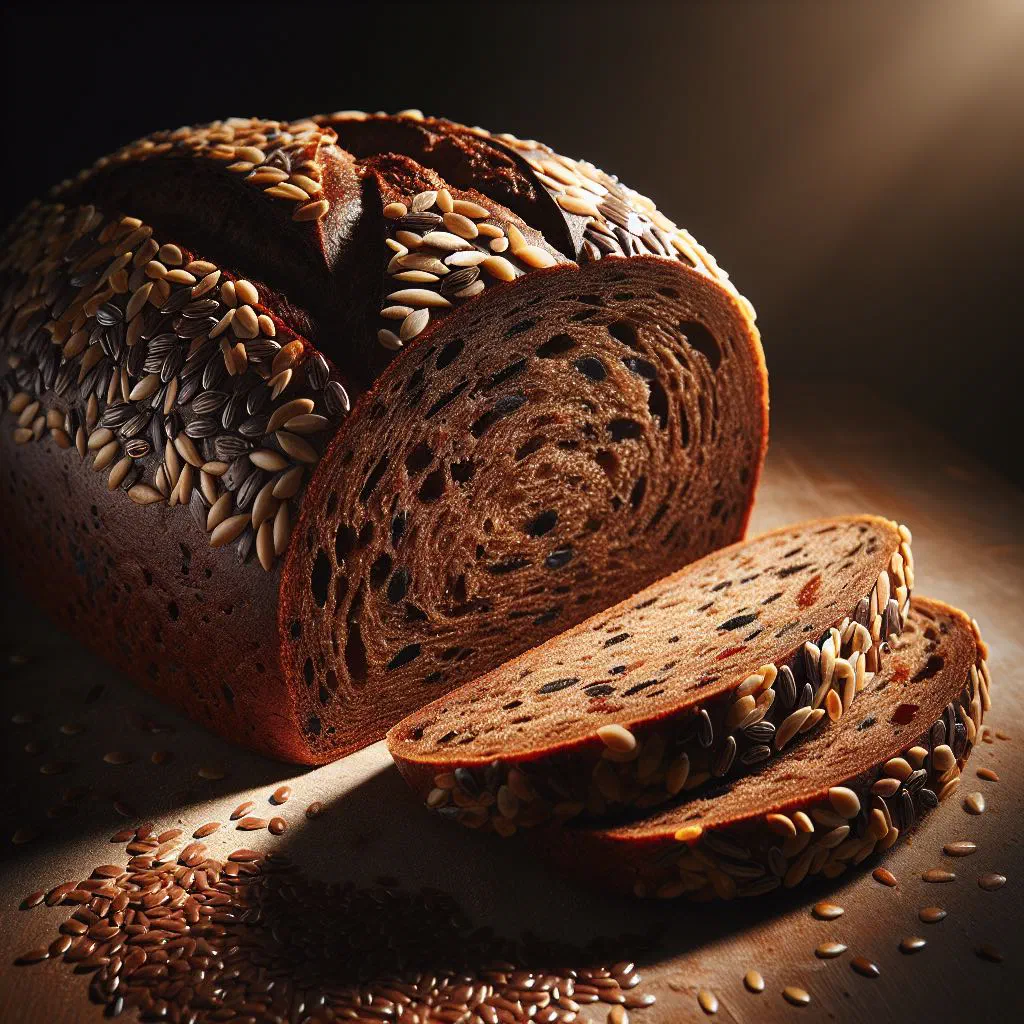
Discover Chleb z ziarnami, a hearty seeded wholemeal loaf that sits close to the heart of Polish baking. Packed with a nutty medley of sunflower, flax and sesame seeds, this nourishing bread carries a satisfying crunch and a wholesome, rustic flavour in every slice. It is just as good beside a steaming bowl of soup as it is spread simply with butter. Our step-by-step guide brings the taste of Poland straight to your own kitchen.
About Chleb z ziarnami
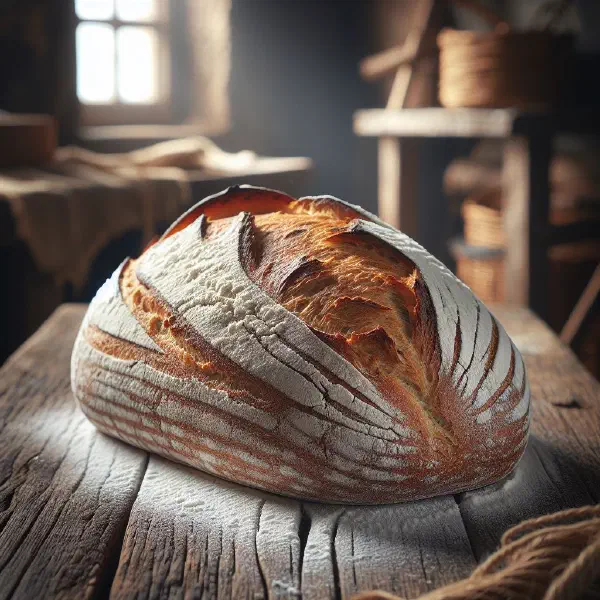
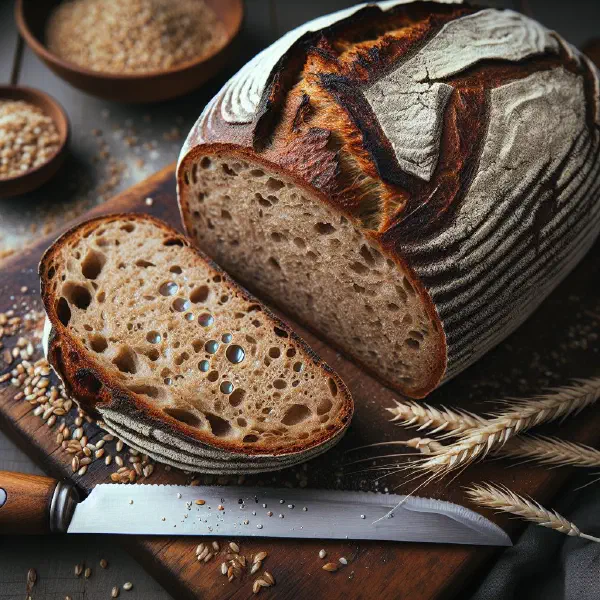
The Polish seeded bread Chleb z ziarnami is far more than a plain loaf; it embodies the country’s baking tradition with its distinctive taste and its rich store of nutrients. A generous combination of different seeds and grains gives the bread a hearty, nutty character that comes through with every bite. It works beautifully as an accompaniment to soups or spreads, yet is every bit as enjoyable with nothing more than a little butter. Our instructions walk you through making this delicious wholemeal bread at home.
Ingredients (serves 1–2)
- 250 g wholemeal flour
- 50 g mixed seeds (e.g. sunflower seeds, flax seeds, sesame)
- 1 tsp salt
- 1 tsp dried yeast
- 300 ml warm water
- 1 tbsp honey or agave syrup (optional)
- 2 tbsp olive oil
Shopping for the ingredients
When shopping for the ingredients for Chleb z ziarnami, it pays to look for good-quality produce. Wholemeal flour and the various seeds are usually easy to find in the supermarket or in specialist shops. If you want to make the loaf that little bit more special, seek out organic ingredients. Local markets often stock fresh, regional produce too, which will only add to your enjoyment.
Preparing the dish
Preparing the dish could hardly be simpler and takes just a few steps. Begin by combining the dry ingredients, flour, salt and yeast, in a large bowl. Then add the wet ingredients and knead the dough until it is smooth and elastic. A practised eye helps you judge the consistency, so the loaf rises well later and takes on the texture you are after.
Step-by-step instructions
- Mix the wholemeal flour, seeds, salt and dried yeast together in a large bowl.
- Add the warm water, the honey (or agave syrup) and the olive oil.
- Knead the dough by hand or with a stand mixer until it is smooth and supple.
- Cover the bowl with a clean cloth and leave the dough to rise in a warm place for about 1 hour.
- Once risen, knock the dough back, shape it and place it in a greased loaf tin.
- Preheat the oven to 220 °C and bake the bread for 30–35 minutes.
- Leave to cool before slicing. Enjoy.
Gluten-free / lactose-free version
A gluten-free version calls for a slightly different approach, but it is entirely possible to swap the traditional flour for gluten-free flour, a blend of rice and buckwheat flour works well, for example. Most seeds are naturally gluten-free, which makes this recipe easy to adapt. For a lactose-free loaf, simply avoid any dairy-based ingredients and reach for plant-based alternatives such as almond drink instead.
Tips for vegans and vegetarians
This recipe is already naturally suited to vegans, as it contains no animal products. To boost the nutritional value, you can add extra chia seeds or flax seeds, both rich in omega-3 fatty acids. Just be sure to use vegan honey or agave syrup. For vegetarians there are no restrictions at all, since the loaf is a wholesome, complete option straight out of the oven.
More tips and tricks
A few handy tips and tricks can make the baking even easier. Let the dough prove overnight in the fridge for a deeper, more developed flavour. Instead of a loaf tin, you can shape the dough into a round if the appearance of the bread matters to you. A splash of cider vinegar can also improve the texture as the loaf bakes.
Adapting the recipe to your taste
Everyone has their own preferences when it comes to taste and texture. You can tailor the recipe by using your favourite seeds, such as pumpkin seeds or poppy seeds. For a sweeter loaf, add a little sugar or honey. Folding in some dried fruit is another lovely way to bring a fruity note to the bread.
Ingredient substitutions
If some ingredients are not to hand, there are plenty of alternatives. In place of wholemeal flour you might use rye flour or spelt flour, as long as the dough keeps a similar consistency, the same rye character that shines in Chleb żytni. Some seeds can be swapped for nuts to add more crunch to your loaf. Whenever you change an ingredient, remember to adjust the balance of liquid to flour.
Drink pairing ideas
Enjoying Chleb z ziarnami can be enhanced by choosing the right drink. A freshly brewed black tea or a lightly fruity white wine pairs wonderfully with this heartier bread. Alternatively, a fresh fruit juice or a minty iced tea makes a refreshing accompaniment. Combine different drinks with contrasting flavours to broaden the range.
Serving and presentation ideas
The presentation of your bread can lift the whole impression. Serve it on a rustic wooden board to underline its traditional feel. Garnish with fresh herbs or a selection of spreads in small dishes. A few slices placed beside a fine choice of cheese or cold cuts will enhance the table setting and appeal to every guest.
A bit of history
Chleb z ziarnami has a long tradition within Polish cuisine. It reflects the country’s rural roots, where bread was often baked by hand and the use of regional ingredients played a central part. The loaf was valued as food and as part of various cultural rituals and celebrations. In many Polish families the recipe is passed down from generation to generation, preserving the very essence of the nation’s home baking, much like Chleb razowy na zakwasie.
More recipe ideas
Summary: Chleb z ziarnami
Chleb z ziarnami is a hearty pleasure that is as delicious as it is packed with nutrients. With its mix of different seeds, it offers a rich texture and endless versatility. This traditional Polish bread enriches every table. Let these suggestions inspire you and bring the taste of Poland into your own kitchen.