National Dish Poland: Chleb żytni na zakwasie (Recipe)
In this article
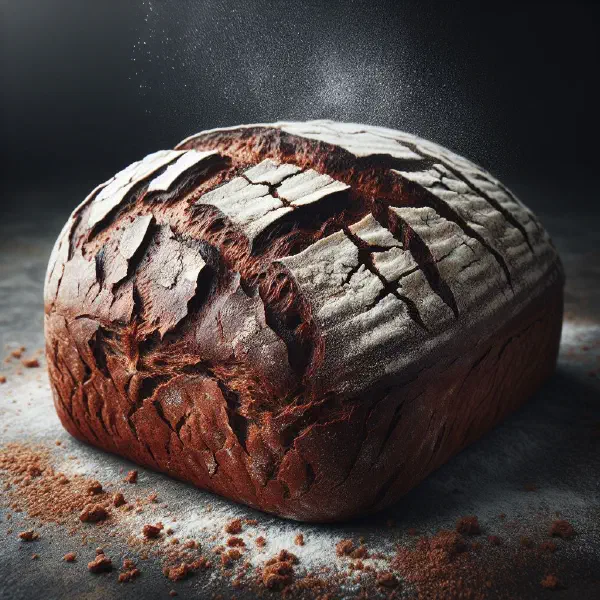
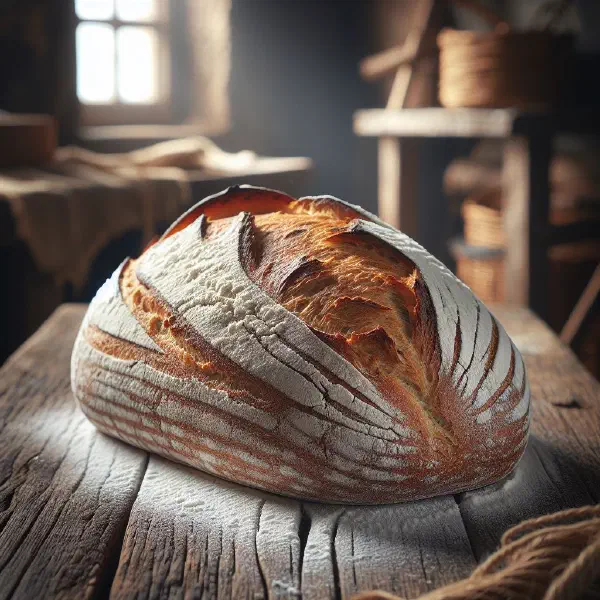
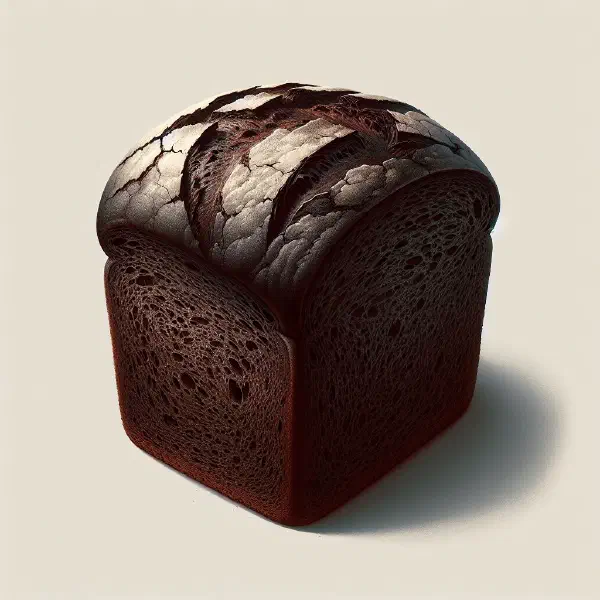
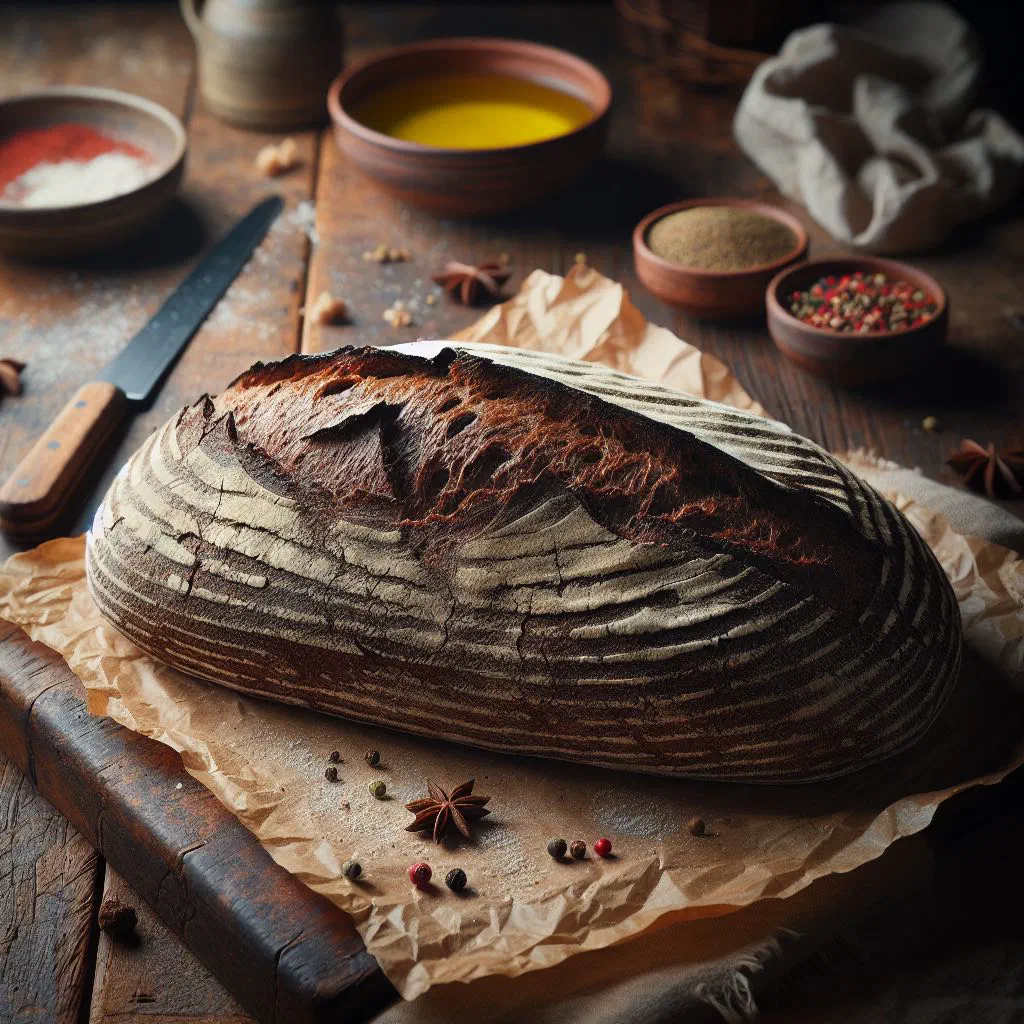
Meet Chleb żytni na zakwasie, the rustic rye sourdough that sits at the very heart of Polish home baking. Built on a lively sourdough starter that is coaxed along over several days, this loaf delivers a robust, faintly tangy crumb and a deeply aromatic, crackling crust. This honest, satisfying bread brings a genuine piece of Polish food culture straight to your table.
About Chleb żytni na zakwasie
Chleb żytni na zakwasie is a traditional Polish rye bread celebrated for its bold, characterful flavour and its wonderfully aromatic crust. Its foundation is a sourdough starter, left to ferment over several days to build real depth of flavour. This rustic loaf is not only a firm favourite in Poland but is winning ever more admirers around the world. Served with something savoury or simply spread with butter and sprinkled with salt, Chleb żytni na zakwasie has a way of drawing everyone in.
Ingredients (serves 1–2)
- 500 g rye flour
- 350 ml water
- 100 g sourdough starter (active)
- 10 g salt
- 5 g sugar (optional)
Shopping for the ingredients
To get the very best results, it pays to choose quality ingredients. Most supermarkets and health-food shops stock rye flour from a range of producers, so you will be spoilt for choice. Make sure your sourdough starter is fresh and active, as this has an enormous influence on the finished loaf. Reach for coarse or sea salt, which brings out the flavour of the bread beautifully.
Preparing the dish
Before you start baking, it is a good idea to feed the sourdough starter the day before to be sure it is thoroughly active. Weigh out your ingredients precisely and lay everything out so the process runs smoothly. Have a suitable loaf tin or a proving basket ready to shape the dough during its rise. A calm, welcoming kitchen only adds to the anticipation of a good bake.
Step-by-step instructions
- In a large bowl, combine the rye flour with the salt and the sugar.
- Add the water and the active sourdough starter, mixing well until you have a thick, sticky batter-like dough.
- Knead the dough for about 10 minutes until it reaches a smooth consistency.
- Cover the dough and leave it to rise in a warm spot for 6–12 hours.
- Briefly knead the risen dough on a floured surface, then transfer it to the prepared loaf tin.
- Cover again and leave to prove for a further 1–2 hours.
- Preheat the oven to 220°C and bake the bread for about 40–50 minutes, until golden brown.
- Once baked, turn the loaf out onto a wire rack to cool completely.
Gluten-free / lactose-free version
For a gluten-free take on Chleb żytni na zakwasie, you can reach for alternative flours such as rice flour or buckwheat flour. Bear in mind, though, that both the texture and the flavour will shift accordingly. As for a lactose-free version, this bread is naturally free of dairy so long as no animal products are added. In every case, double-check that all your ingredients are certified gluten-free if that is a requirement.
Tips for vegans and vegetarians
Chleb żytni na zakwasie is naturally vegan, as every ingredient is plant-based. To fine-tune the texture and taste, vegans might swap the water for plant-based milk. Extra additions such as nuts or seeds can also enrich the loaf without straying from vegan principles. Pair the bread with plant-based spreads for a thoroughly satisfying result.
More tips and tricks
One of the most important factors when baking Chleb żytni na zakwasie is the proving time. The longer the dough rises, the more intense the flavour becomes. Experiment with different temperatures to discover which results you enjoy most. Spraying a little water into the oven during baking also helps you achieve that ideal, crackling crust. And finally: patience is a virtue, let the loaf cool properly before you cut into it.
Adapting the recipe to your taste
You can easily tailor Chleb żytni na zakwasie to your personal preferences. Add caraway seeds or a bay leaf, for example, for a more aromatic, savoury note. A scattering of seeds such as sunflower or linseed can enrich the bread too, both in flavour and in nutrition.
Ingredient substitutions
If certain ingredients are hard to come by, there are usually affordable alternatives to hand. In place of rye flour, you might use spelt flour, which lends the loaf a slightly sweeter note, much as it does in a wheat-based Chleb Pszenny. For the sourdough, a ready-made starter can be bought if making your own feels daunting, greatly simplifying the process while delivering a similar result. Experiment with different flours and add-ins to create your own favourite loaf.
Drink pairing ideas
Chleb żytni na zakwasie pairs wonderfully with a range of drinks. This hearty loaf sits happily alongside a dry white wine or a robust beer such as a pilsner or a dark lager. A freshly brewed cup of coffee makes a perfect companion when the bread is topped with something lightly sweet, like jam. Finally, herbal teas complement the rustic character of the loaf and set a relaxed, convivial mood at the table.
Serving and presentation ideas
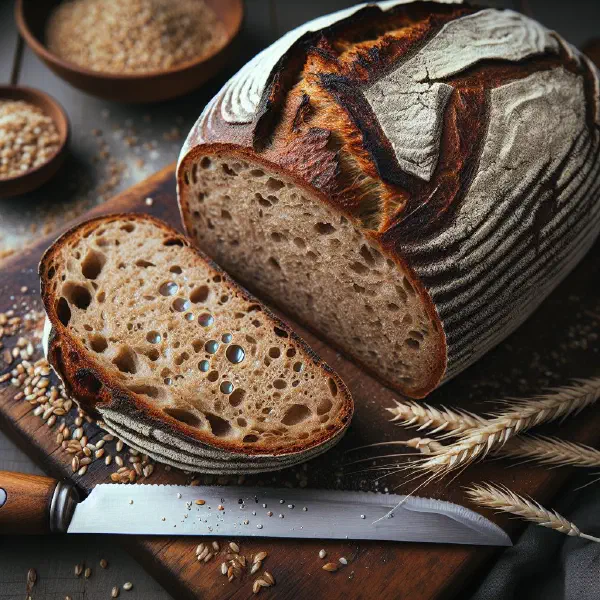
Presenting your Chleb żytni na zakwasie can be simple yet effective. Serve the loaf on a rustic wooden board and cut it into thick slices. A little fresh butter and a small salt cellar on the table are an open invitation to tuck in. Fresh herbs or a colourful platter of vegetables can lighten the presentation and create a welcoming spread. Remember, good food should be a feast for the eyes as well as the palate.
A bit of history
Chleb żytni na zakwasie carries a long history within Polish food culture. Rye bread is thought to have been baked in Poland for centuries, born of the country’s rugged climate and its long tradition of growing rye. The sourdough that gives these loaves their unmistakable flavour is a legacy of older times, when people relied on natural fermentation to make bread that would keep. Today this loaf is far more than a staple. It is a symbol of Polish identity and a proud example of Polish cuisine, alongside classics such as Bigos.
More recipe ideas
Summary: Chleb żytni na zakwasie
Chleb żytni na zakwasie is a hearty rye bread that wins hearts with its rustic texture and intense, characterful flavour. Made with a traditional sourdough starter, it brings a genuine piece of Polish food culture to your table. Savoury dishes, this loaf is endlessly versatile and elevates any meal. Let it inspire you, and rediscover the sheer joy of baking and sharing this one-of-a-kind bread.