National Dish Poland: Faworki (Recipe)
In this article
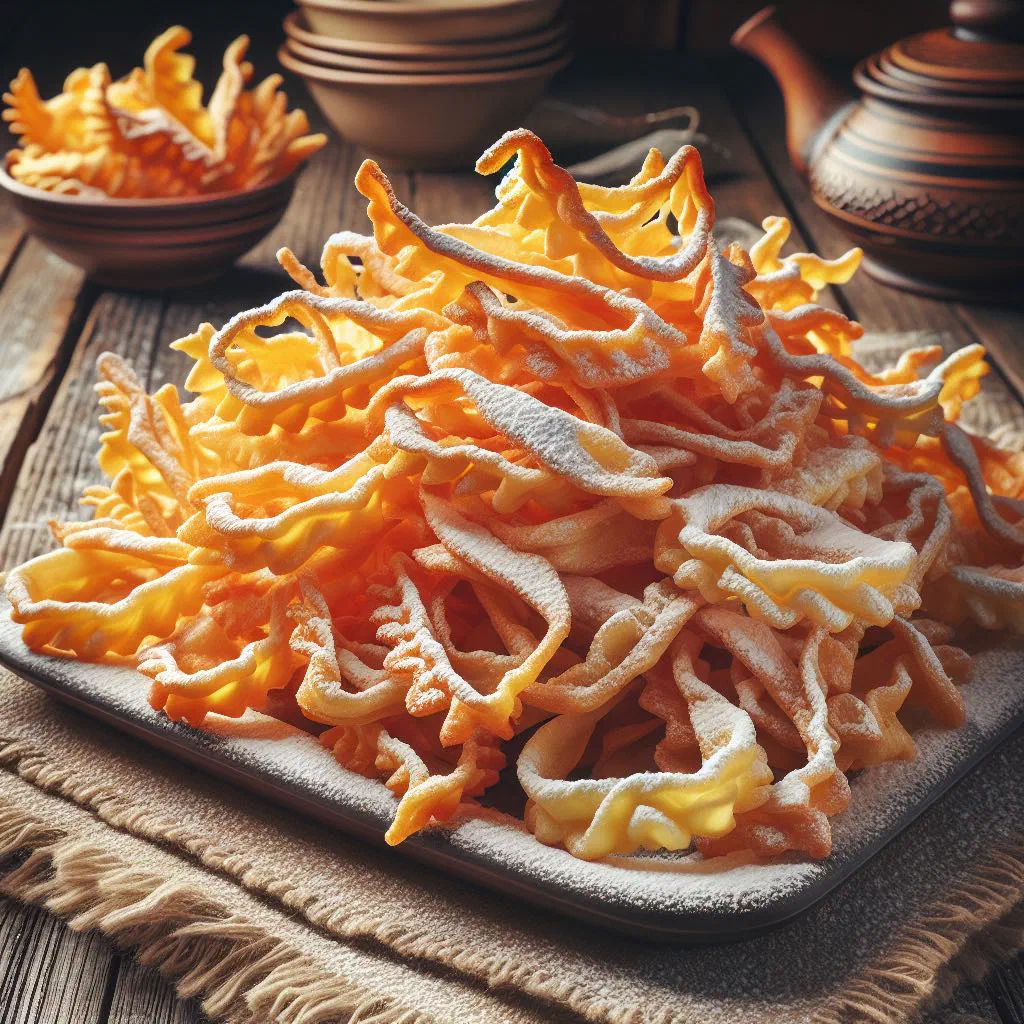
Meet Faworki, the crisp, feather-light pastries that Poland reaches for whenever there is something to celebrate. Also known as angel wings, these delicate twists of fried dough shatter at the first bite and come dusted with a snowfall of icing sugar and cinnamon. Traditionally made in the run-up to Lent, they are surprisingly simple to prepare yet look wonderfully festive. Bring a little Polish carnival cheer to your own kitchen with this timeless treat.
About Faworki
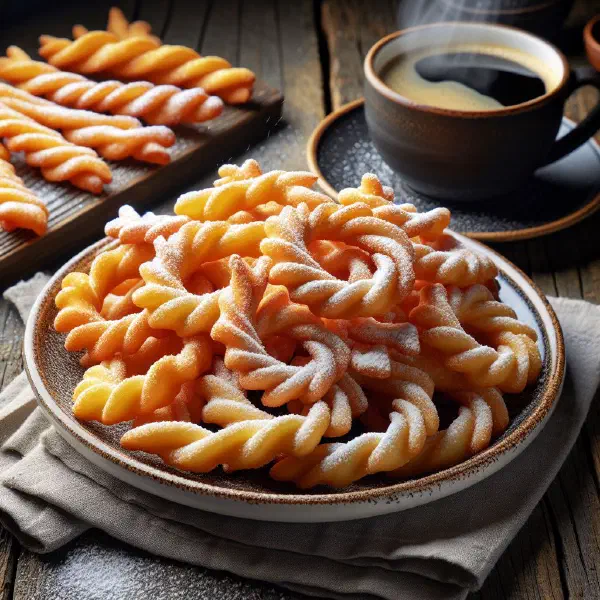
Faworki, also known as angel wings, are a traditional Polish pastry that looks every bit as good as it tastes. These tender, crisp little treats are especially popular during Lent and at all manner of festive occasions. Their distinctive twisted, ribbon-like shape sets them apart from other baked goods and makes them a favourite snack for young and old alike. One bite of these airy morsels rekindles the simple joy of baking and sharing something sweet.
Ingredients (serves 1–2)
- 200 g plain flour
- 2 eggs
- 1 tablespoon sugar
- 1 tablespoon vodka or vinegar
- 1 pinch of salt
- Oil, for deep-frying
- Icing sugar and cinnamon, for dusting
Shopping for the ingredients
The ingredients for faworki are easy to find and available in any everyday grocery shop. Flour, sugar and eggs in particular are pantry staples that most kitchens already keep on hand. If you fancy adding a special aroma, a few fragrant spices such as cinnamon or nutmeg work beautifully. The vodka or vinegar can also be swapped for another spirit depending on what you have to hand, which only makes the faworki more interesting.
Preparing the dish
Preparing faworki is straightforward and does not take much time. First, it is important to knead the dough thoroughly so that it reaches the right consistency for rolling and shaping later on. Let the dough rest at room temperature to allow the gluten structure to develop. This is what gives the faworki their beautifully light, crisp texture once they are fried.
Step-by-step instructions
- Put the flour, sugar, eggs, vodka and salt into a bowl and knead to a smooth dough.
- Wrap the dough in cling film and leave it to rest for about 30 minutes.
- Roll the dough out thinly and cut it into diamonds about 5 cm wide.
- Make a slit in the middle of each diamond and pull one corner through the opening to create the classic twisted shape.
- Heat the oil in a pan and fry the faworki until golden brown.
- After frying, drain them on kitchen paper and dust with icing sugar and cinnamon.
Gluten-free / lactose-free version
For a gluten-free and lactose-free take on faworki, you can use gluten-free flour. There is a wide range of gluten-free flour blends that work perfectly for this recipe. Take care to use lactose-free eggs and plant-based oil as well. These alternatives mean everyone can enjoy these delicious treats, whatever their dietary needs.
Tips for vegans and vegetarians
For a vegan version of faworki, you can replace the eggs with plant-based alternatives. Apple purée or ground flaxseed, for example, both work wonderfully as a binder. Struggling to get the right consistency? Try bringing the dough together with a little plant-based milk to add the moisture it needs. That way this version becomes a treat for everyone to enjoy.
More tips and tricks
To make faworki especially crisp, it is important to bring the oil up to the right temperature. If the oil is not hot enough, the faworki soak up too much fat and turn soggy. Another tip is to dust the pastries with icing sugar straight after frying so it sticks well. If you want to keep the faworki for later, store them in an airtight tin to preserve their crispness.
Adapting the recipe to your taste
You can easily adapt the faworki recipe to suit your own taste. Fold nuts, dried fruit or even chocolate chips into the dough for a special touch. Different flavourings such as vanilla or orange zest can also give the dough a unique character. Experiment with various spices to create your own perfect version, much as you might when baking a batch of Chrusciki.
Ingredient substitutions
For a healthier version, you can use wholemeal flour instead of plain flour. The sugar, too, can be replaced with alternative sweeteners such as honey or agave syrup. Just be sure to adjust the quantity, as these sweeteners have a different sweetening power. Every small change can make the faworki shine in a new way.
Drink pairing ideas
Faworki go wonderfully with a variety of drinks. A classic black coffee or a fragrant tea are ideal companions that complement the sweetness of the angel wings. For something a little different, you could also serve fruity juices or a Kompot Z Suszu to add a fresh accent. These combinations turn any coffee break into a real occasion.
Serving and presentation ideas
The way you present your faworki can play an important part in making mouths water. Serve them on a pretty plate and dust them generously with icing sugar and cinnamon. A few fresh berries or a swirl of marbled sauce can brighten up the sweet treat. With a little care over presentation, you can conjure a festive atmosphere in no time at all.
A bit of history
Faworki have their origins in Polish cuisine and have been a fixed part of festive traditions for centuries. Their distinctive shapes and light, crisp dough are unique hallmarks of this pastry. Faworki are especially popular during carnival, symbolising the fast that is about to begin. This pastry is cherished not only in Poland but across other European countries too, and it sits happily alongside other sweet classics of Polish cuisine such as Pierogi.
More recipe ideas
Summary: Faworki
Faworki are a wonderful example of Polish cuisine, winning people over with their simplicity and their utterly delicious flavour in equal measure. This recipe gives you the chance to make a traditional treat yourself and offer your guests a little piece of culinary heritage. Whether for Lent, a special occasion or simply as a little snack in between, faworki promise pleasure and pleasure. Be bold and give these tasty angel wings a try at your next gathering.