National Dish Poland: Kulebiak (Recipe)

In this article
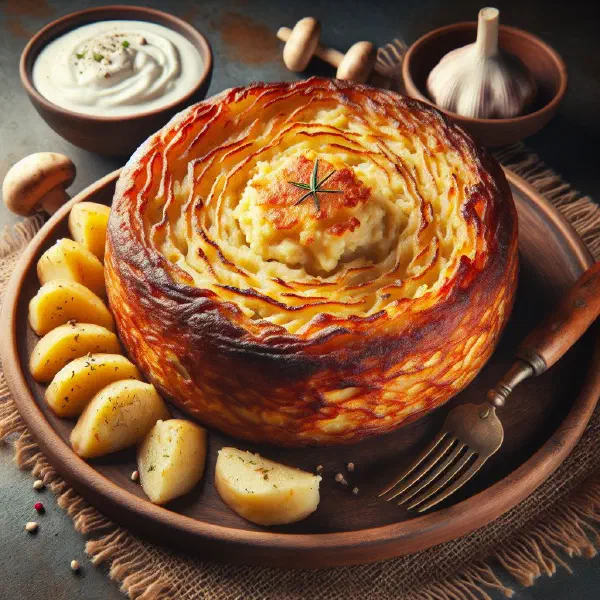
Discover Kulebiak, a much-loved Polish pastry that turns a simple parcel of dough into something worthy of a celebration. Beneath its golden, tender crust hides a generous savoury filling, fish, meat or vegetables, spiced and seasoned to taste. Equally at home on a festive table or packed into a picnic basket, this hearty bake carries all the warmth of Polish hospitality. Roll up your sleeves and bring a slice of this comforting classic to your own kitchen.
About Kulebiak
Kulebiak is a traditional Polish dish celebrated for its delicious fillings and its soft, tender pastry. It began life as a clever way to use up leftovers, but over time it grew into a cherished part of Polish cuisine. The most popular fillings often feature fresh vegetables, fish or meat, which makes the dish wonderfully versatile. This hearty savoury pastry is perfect for festive occasions or a satisfying lunch, and it radiates the generosity for which Poland is known.
Ingredients (serves 1–2)
- 250 g flour
- 125 ml water
- 50 g butter
- 1 egg
- 250 g filling (e.g. fish, vegetables or meat)
- Seasoning to taste (e.g. salt, pepper, dill)
Shopping for the ingredients
When shopping for kulebiak, it is important to choose fresh, good-quality produce. The flour forms the base of the dough, so it is worth reaching for a fine, quality flour here. For the filling, pay close attention to how fresh the ingredients are. Juicy meat or crisp vegetables will have a real influence on the final result.
Preparing the dish
Preparing kulebiak takes a little time, but it is straightforward and genuinely enjoyable. Begin by making the dough, combining the flour with water, butter and egg. Knead it thoroughly until it is smooth and elastic, then leave it to rest for about 30 minutes. Resting improves the texture and makes the dough much easier to work with when you come to roll it out.
Step-by-step instructions
- Make the dough: combine the flour, water, butter and egg and knead well.
- Rest the dough: cover it and leave to rest for 30 minutes.
- Prepare the filling: season your chosen filling to taste and fry it off.
- Roll out the dough: roll it out thinly and spread the filling evenly over the surface.
- Fold the dough: fold it over the filling and seal the edges well.
- Bake: place the kulebiak on a tray and bake in a preheated oven at 180°C for about 30 minutes, until golden brown.
Gluten-free / lactose-free version
For a gluten-free version, you can use one of the special gluten-free flour blends widely available in the shops. These alternatives give the dough a texture much like traditional flour and help ensure a successful bake. To enjoy a lactose-free kulebiak, simply replace the butter with plant-based margarine or another lactose-free product. Take care to choose lactose-free ingredients for the filling too.
Tips for vegans and vegetarians
For a vegan kulebiak, swap the eggs in the dough for apple purée or mashed banana to achieve the binding. When it comes to the filling there are no limits to your creativity; a mixture of spinach, tofu and seasoning works beautifully, for example. This combination is savoury and satisfying and nourishing and wholesome. Plenty of vegetables and pulses lend themselves perfectly to filling a kulebiak the vegan way, much like the meat-free spirit of Pierogi Ruskie.
More tips and tricks
A few simple tips and tricks will help you create the perfect kulebiak. Experiment with different fillings to discover new flavours, from classic pairings such as salmon and dill to more inventive options like mushrooms and cheese. The right seasoning is crucial, and fresh herbs lend the dish extra aroma. Avoid overfilling the pastry, as too much filling can stop the dough sealing properly.
Adapting the recipe to your taste
Adapting the recipe to your own preferences is what makes kulebiak such a personal dish. If you enjoy a bit of heat, add a little chilli to the filling. For a sweeter note, use dried fruit alongside quark or a sweet cream. You can even alter the character of the dough itself by working in herbs or spices to give your kulebiak extra personality.
Ingredient substitutions
If you are looking for substitutions when making kulebiak, there are plenty of options. In place of wheat flour, try almond or chickpea flour to create a gluten-free version. For a protein-rich filling, use quinoa instead of rice. And if fish is not to your liking, reach for roasted nuts or a medley of mushrooms instead, the same earthy note that shines in Uszka z Grzybami.
Drink pairing ideas
The right drink can round off the flavours of kulebiak beautifully. A dry white beer or a lively Sauvignon Blanc pairs well with more lightly seasoned fillings. If the filling is aromatic and hearty, a robust red wine can be an excellent choice. For an alcohol-free option, homemade lemonade or a fresh ginger tea are both worth considering, or a bowl of Barszcz alongside for a classic Polish spread.
Serving and presentation ideas
Thoughtful presentation can make all the difference with kulebiak. Serve the pastry on a rustic wooden board for a traditional look. Decorate the plate with fresh herbs or edible flowers to add a touch of elegance. You might also offer smaller portions, giving your guests the chance to sample several different fillings.
A bit of history
The history of kulebiak is every bit as fascinating as the dish itself. It originally comes from the Polish country kitchen, where people used up leftovers to create nourishing, filling meals. Over time, kulebiak became known not only in Poland’s kitchens but internationally too. This tradition of combining creative fillings with quality pastry is still treasured and passed down today, making kulebiak a symbol of Polish hospitality, a heritage it shares with hearty classics like Bigos and Gołąbki.
More recipe ideas
Summary: Kulebiak
In short, kulebiak is a versatile and delicious dish that impresses with both its flavours and its endless room for adaptation. Kulebiak is a wonderful choice for any occasion. With the right ingredients and a little creativity, you can easily tailor this recipe to your wishes and pleasure your guests. Let the Polish kitchen work its magic and enjoy making kulebiak in your very own home.