National Dish Poland: Pierogi z Mięsem (Recipe)

In this article
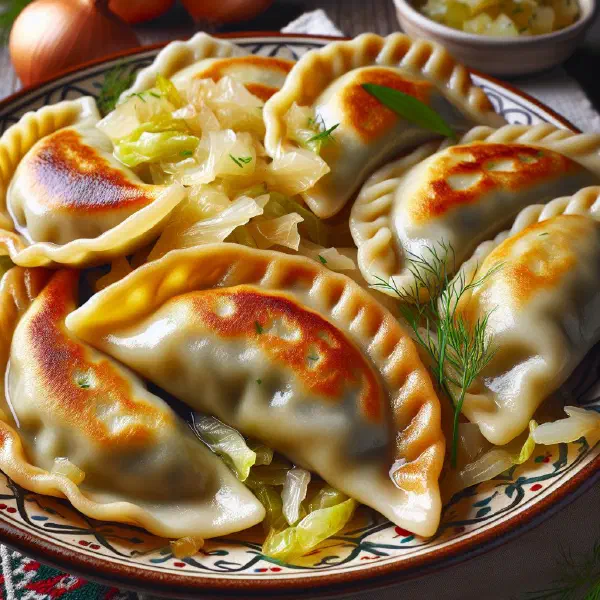
Discover Pierogi z mięsem, one of Poland’s most beloved comfort foods. These tender, half-moon dumplings wrap a savoury filling of seasoned minced meat in a soft, delicate dough. Cherished by young and old alike, they work beautifully as a hearty main course or as a satisfying snack. With their homely warmth and endlessly variable filling, they bring a taste of the Polish kitchen straight to your table.
About Pierogi z Mięsem
Pierogi z mięsem are an indispensable part of Polish cuisine, enjoyed not only across Poland but around the world. These filled dumplings combine tender meat with a balanced blend of seasonings to create a culinary experience that appeals to the senses. They are wonderfully versatile and can be served either as a main dish or as a snack. Young and old alike treasure the hearty filling and the delicate dough, which together make for a memorable mouthful.
Ingredients (serves 1–2)
- 250 g wheat flour
- 1 egg
- 120 ml water
- 200 g minced meat (beef or pork)
- 1 onion
- 1 teaspoon salt
- 1 teaspoon pepper
- 1 tablespoon oil (for frying)
Shopping for the ingredients
To find the best ingredients for your pierogi, it is worth heading to a local market or a well-stocked supermarket. Fresh meat, such as the minced meat this recipe calls for, should be of good quality to bring out the best flavour. Look for regional produce wherever you can, as it often tastes better and supports the local economy. The flour, too, should be fresh and of good quality to guarantee an excellent dough.
Preparing the dish
Before you start making your pierogi z mięsem, gather all the ingredients and get your work surface ready. Begin by cooking the minced meat and frying the onions to lend them an aromatic note. The meat should be cooked through completely and seasoned with salt and pepper. Meanwhile, you can prepare the dough by combining flour, water and egg into a smooth mixture.
Step-by-step instructions
- Combine the flour, egg and water in a bowl and knead into a smooth dough. Wrap the dough in cling film and leave it to rest for 30 minutes.
- Fry the onions in a little oil in a pan, then add the minced meat. Brown everything well and season to taste.
- Roll the dough out thinly and cut out equal-sized circles using a glass.
- Place a spoonful of the meat filling on each dough circle and press the edges firmly together to seal the pierogi.
- Cook the pierogi in a large pot of boiling salted water until they rise to the surface.
- If you like, pan-fry them in a little oil afterwards to achieve a golden crust.
Gluten-free / lactose-free version
For a gluten-free version of pierogi z mięsem, you can use gluten-free flour. Make sure all the other ingredients are gluten-free too. When it comes to lactose, you can turn to lactose-free alternatives for the oil and any other ingredients. These simple adjustments allow plenty of people to enjoy this delicious dish without restriction.
Tips for vegans and vegetarians
For anyone after a vegan or vegetarian take on pierogi, the meat can easily be swapped for fried mushrooms or a mixture of vegetables. Ingredients such as chard, spinach or cheese also make tasty alternatives, much like the filling in Pierogi Ruskie. Add hot spices or aromatic herbs to vary the flavour of the filling. These options meet all kinds of plant-based dietary needs and prove a real hit with everyone who tries them.
More tips and tricks
To get the most out of your pierogi, the cooking is key. Keep the water at a lively boil so the dumplings cook evenly, and add a little oil to the water to stop them sticking together. Pan-frying after boiling adds flavour and gives a lovely texture. Experiment with different fillings and broths to create something new every time.
Adapting the recipe to your taste
The great thing about this recipe is its flexibility: you can easily adjust it to your personal preferences. Perhaps you fancy more seasoning for a spicier note, or extra herbs to deepen the aroma. The combination of fillings can vary too, why not try a mix of cheese and vegetables, or different kinds of meat, as you might in a hearty Bigos. These possibilities for adaptation make pierogi a dish that never grows dull.
Ingredient substitutions
If you do not have certain ingredients to hand, there are many alternatives that will not compromise the flavour or texture of your pierogi. Instead of beef or pork mince, for example, you could use minced chicken or turkey. Tofu or seitan also make excellent choices for the filling. There are a few secret tricks to make sure the taste does not suffer. Remember to season the fillings well, and consider pairing them with a sauce.
Drink pairing ideas
To round off the experience of pierogi z mięsem, it is worth choosing the right drink. Traditionally they are often served with a good Polish beer or a glass of red wine. For those with a sweeter tooth, a fruity juice pairs wonderfully. To underline the aroma of the savoury filling, you might also offer herbal tea or kvass, which is especially refreshing.
Serving and presentation ideas
An appealing presentation can genuinely elevate the flavour of your pierogi. Serve the fried dumplings on a handsome plate, garnished with fresh herbs or a dollop of soured cream. A dusting of paprika or a scattering of fresh dill lends the dish not only colour but extra flavour too. Be sure to serve the pierogi warm to bring the aromas fully to life.
A bit of history
The story of pierogi stretches back a long way and can be traced to the Middle Ages. Originally they were seen as food for the poorer levels of society, as they were simple and nourishing. Today they are a symbol of Polish cuisine, found in home kitchens and in restaurants across the country. There are countless regional variations, shaped by the ingredients and cooking methods of different cultures, a defining feature of Polish cuisine.
More recipe ideas
Summary: Pierogi z Mięsem
In short, pierogi z mięsem are a delicious dish and a wonderful way to get to know Polish cuisine. By using fresh, good-quality ingredients, these filled dumplings can be prepared quickly and easily. They offer a wealth of flavours and plenty of scope for adaptation. Let tradition inspire you, and enjoy this timeless dish.