National Dish Poland: Ser biały (Recipe)
In this article
Discover Ser biały, the mild fresh cheese at the very heart of the Polish kitchen. With its creamy texture and gently delicate flavour, it slips just as easily into savoury dishes as it does into sweet ones. Often served with a scattering of fresh herbs or a spoonful of fruit, this simple homemade cheese has won admirers well beyond Poland’s borders. Best of all, it takes only a handful of everyday ingredients to make your own from scratch.
About Ser biały
Ser biały is a mild, fresh white cheese that plays a central role in Polish cooking. Its creamy texture and understated taste make it wonderfully versatile, at home in both savoury and sweet dishes alike. Frequently served with fresh herbs or ripe fruit, it enjoys enormous popularity in Poland and has steadily gained recognition abroad as well. Thanks to its adaptability, it can be worked into countless recipes, which makes it an ideal ingredient for your next meal.
Ingredients (serves 1–2)
- 1 litre milk
- 40 ml vinegar or lemon juice
- 1 teaspoon salt
- Seasonings of choice (e.g. pepper, herbs)
Shopping for the ingredients
When shopping for the ingredients for ser biały, it is important to choose fresh, good-quality milk. Consider whether the milk is pasteurised or raw, depending on your preferences and dietary needs. The vinegar or lemon juice should be fresh to give the best flavour. Seasonings can be used either fresh or dried, though fresh varieties often deliver more intense aromas. A visit to a good dairy counter or a local market makes it easy to find everything you need.
Preparing the dish
Preparing Ser biały is a straightforward process that rests above all on choosing the right ingredients. The milk should be heated to a temperature of around 80 degrees Celsius before the vinegar or lemon juice is added. It is important that the milk does not come to the boil, as this can spoil the consistency of the cheese. Once the milk has curdled, it is time to strain it and stir in the remaining ingredients to season the cheese to taste.
Step-by-step instructions
- Heat the milk in a saucepan to around 80 degrees Celsius.
- Add the vinegar or lemon juice slowly and stir gently.
- Let the mixture rest for about 15 minutes, until the curds separate from the whey.
- Strain the mixture through a fine sieve or a cheesecloth to remove the whey.
- Add salt and seasonings to taste and mix everything through well.
- Shape the cheese mass into small portions and leave them to cool.
Gluten-free / lactose-free version
The ingredients for Ser biały are naturally gluten-free, which makes this recipe well suited to anyone with a gluten intolerance. If you are lactose intolerant, however, you can use lactose-free milk to make the cheese. This will not significantly affect its flavour or texture. Always read the labels on your dairy products to make sure they meet your particular dietary requirements.
Tips for vegans and vegetarians
For vegans, the traditional preparation of ser biały may not be suitable, as it is based on animal milk. A plant-based alternative can be made from cashews or tofu instead. These can be blended with lemon juice, herbs and seasonings to achieve a similar consistency and taste. That way vegans, too, can enjoy the versatility and flavours of this dish. Vegetarians, meanwhile, will find the classic version perfectly suited to their diet.
More tips and tricks
To get the most out of your Ser biały, feel free to experiment by adding different herbs and spices. Dill, chives and parsley are excellent additions that lend the cheese extra flavour. Other notes such as garlic or paprika can also be used to create an interesting new direction. Let your creativity run free and adapt the recipe to your own personal taste, much like the herby, garlicky filling of Polish Pierogi Ruskie.
Adapting the recipe to your taste
The recipe for Ser biały is easy to adjust to individual preferences. Do you prefer it mild or sharp? Experiment with the amount of seasoning to find the perfect balance. The texture can be varied too, simply by draining the whey differently, pour off less whey for a creamier cheese, and more for a firmer one. Give the cheese a personal touch with a range of added ingredients.
Ingredient substitutions
If you have no vinegar or lemon juice to hand, you can also use other acids such as yoghurt to curdle the milk. Different types of milk, such as goat’s or sheep’s milk, can also be used to make Ser biały, offering a distinctive taste and fresh new aromas. Take care to adjust the proportions accordingly when using other ingredients. That way your cheese stays exactly to your liking.
Drink pairing ideas
When serving Ser biały, it pairs beautifully with a range of drinks. A light, fresh white wine, such as a Sauvignon Blanc or a dry rosé, harmonises wonderfully with the mild flavour of the cheese. A dry cider is another good match that underlines its aromas. For non-alcoholic options, sparkling water with lemon or herbal teas are well worth recommending.
Serving and presentation ideas
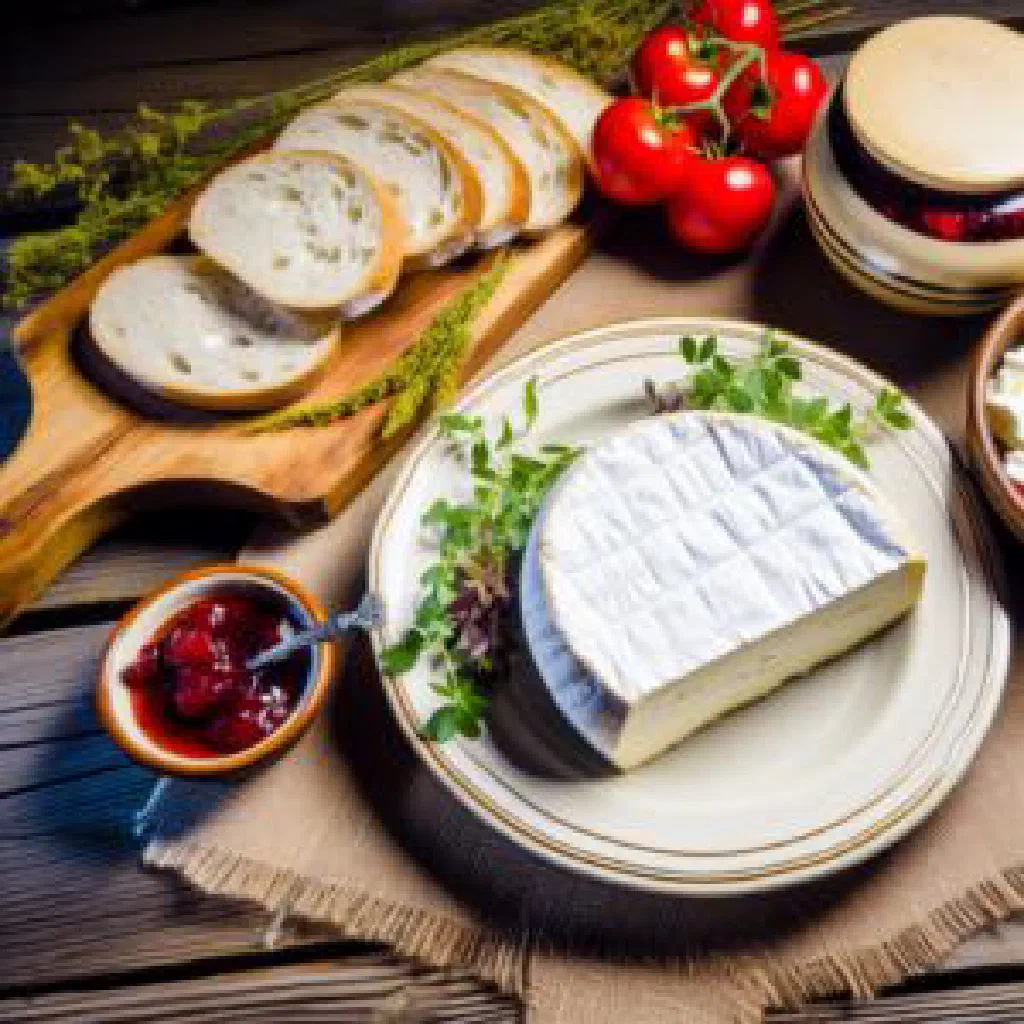
An attractive presentation of Ser biały can greatly enrich the eating experience. Serve the cheese on a decorative wooden board alongside fresh bread, crackers or vegetables. A garnish of fresh herbs or edible flowers is a lovely addition too, lending colour and elegance. The variety of colours and textures makes the dish delicious and a pleasure to look at. It sits happily on any table within the wider Polish cuisine.
A bit of history
The origins of Ser biały reach back into the rural regions of Poland, where cheese-making was a traditional practice. This cheese was an important source of protein for farming families and played a central role in the Polish diet. Its production varies from region to region, giving rise to different flavours and textures. Through the sharing of recipes and techniques, Ser biały has evolved over the years while remaining a firm fixture of Polish cookery.
More recipe ideas
Summary: Ser biały
Ser biały is a delicious dish and a part of Polish identity and culture. With its simple preparation and versatility, anyone can recreate the authentic Polish flavour experience at home. Experiment with different ingredients and variations to find your own perfect recipe. Enjoy this cheese with well-matched accompaniments and make it the star of your next meal.