National Dish Poland: Sernik (Recipe)
In this article
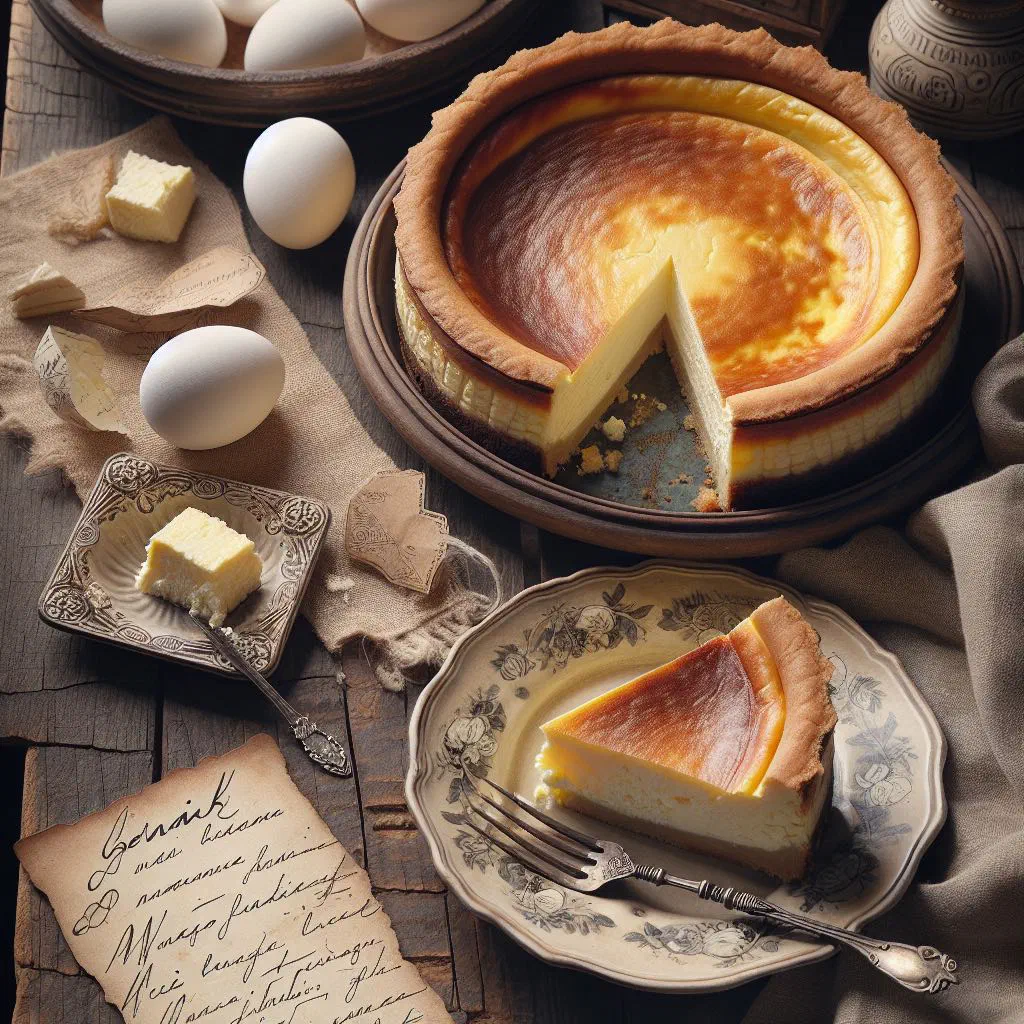
Discover Sernik, one of Poland’s best-loved desserts. This traditional cheesecake pairs a wonderfully creamy quark filling with a crisp, buttery biscuit base, and the result is both gently sweet and pleasantly tangy. It graces countless family kitchens and takes pride of place at weddings, holidays and festive gatherings. Bring a taste of authentic Polish baking straight to your own table.
About Sernik
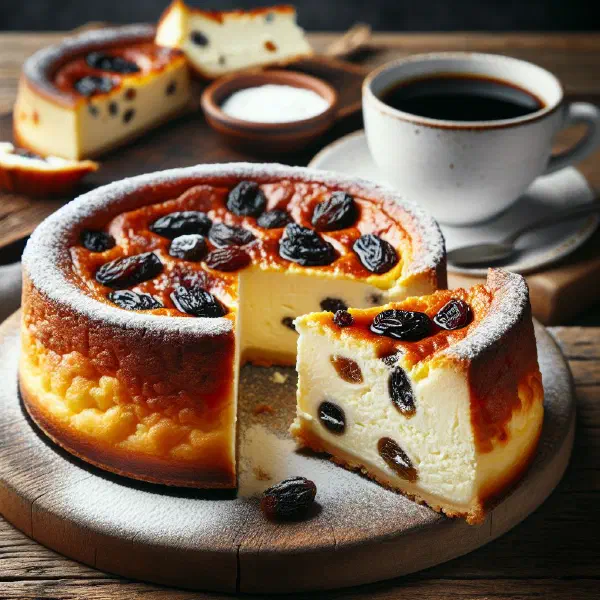
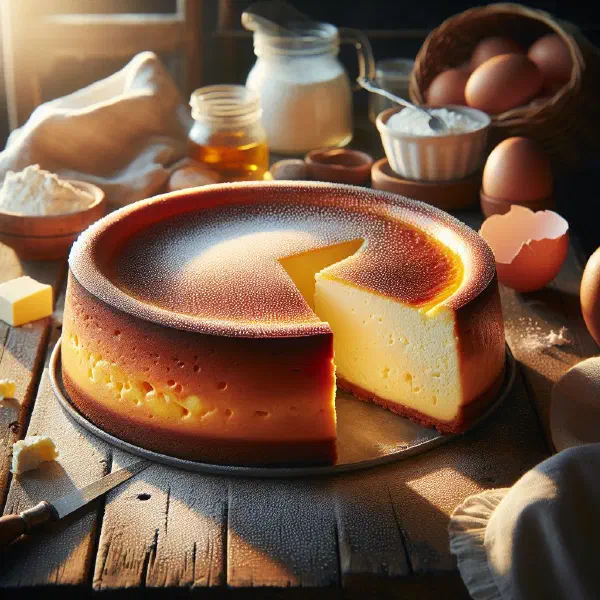
Sernik is a traditional Polish cheesecake and a much-loved dessert in homes and at celebrations across the country. Its creamy filling of quark gives it a very good flavour that is at once sweet and lightly tangy. What sets sernik apart is its aromatic biscuit base, which lends the perfect texture and provides a delicious contrast to the soft filling. At special occasions such as weddings or holidays, this cake is often served as the highlight of the buffet.
Ingredients (serves 1–2)
- 250 g quark
- 100 g sugar
- 2 eggs
- 1 sachet vanilla sugar
- 100 g butter
- 150 g biscuits (e.g. butter biscuits)
- 1 tsp baking powder
Shopping for the ingredients
The ingredients for sernik are easy to find in most supermarkets. Take care to choose good-quality quark, as this is the key to a truly creamy cake. For the base, butter biscuits are ideal because they hold a lovely structure once baked. Depending on your preference, you can also experiment with different types of biscuit to vary the flavour.
Preparing the dish
Before you begin making the sernik, it is worth setting out all your ingredients and preheating the oven to 180°C. Crush the biscuits so they mix easily with the melted butter and form an even crust. Make sure everything is at room temperature, especially the eggs and the quark, so the filling comes together smoothly. These small preparations ensure the cake bakes evenly and the texture turns out just right.
Step-by-step instructions
- Melt the butter in a small pan, add the crushed biscuits, mix well and press evenly into a springform or baking tin.
- In a bowl, combine the quark, sugar, vanilla sugar, eggs and baking powder until you have a smooth, creamy mixture.
- Spread the quark mixture evenly over the biscuit base and smooth the top.
- Bake in the preheated oven for about 40–50 minutes until golden brown. Test with a skewer to check it is cooked through.
- After baking, let the sernik cool in the oven with the door slightly ajar, then chill in the fridge for at least 2 hours.
Gluten-free / lactose-free version
For a gluten-free version of sernik, use gluten-free biscuits that offer a similar flavour to the traditional ones. Make sure the quark is lactose-free too, so you end up with a fully lactose-free option. Many supermarkets now stock a wide range of gluten- and lactose-free products. Experiment with different alternatives to find the one that best suits your taste.
Tips for vegans and vegetarians
If you would like to make a vegan version of the sernik, the quark can be replaced with a mixture of soya yoghurt and cashew cream. For binding, use flaxseed or chia seeds soaked in water until they take on a gel-like consistency instead of eggs. These ingredients provide the creaminess and flavour you need. Don’t forget to choose vegan biscuits for the base too, so the recipe is completely plant-based.
More tips and tricks
A few simple tips can make your sernik even more enjoyable. Try folding a little grated citrus zest into the quark mixture for extra freshness. A fruit sauce made from berries or caramel also makes a lovely addition. If you serve the cake the following day it is usually even better, as the flavours have time to settle. Experiment with the decoration too, fresh fruit or chocolate shavings make the cake all the more appealing.
Adapting the recipe to your taste
Sernik is easy to tailor to different preferences. Add chocolate chips or nuts to the quark mixture, for example, to introduce an extra crunch. Instead of the classic biscuits you can try other varieties, such as oat biscuits, to give the base a different texture.
Ingredient substitutions
If you cannot find or would rather not use certain ingredients, there are always alternatives for sernik. In place of quark you can use ricotta or mascarpone, both of which suit a cheesecake beautifully. For the base, the biscuits can be swapped for oats or crushed nuts, which offer an interesting flavour combination, much like the nutty notes of a Makowiec. You can also replace the sugar with honey or agave syrup for a slightly healthier take.
Drink pairing ideas
There is plenty of choice when it comes to drinks that go well with sernik. A cup of freshly brewed coffee or tea complements the flavour of the cake perfectly. For festive occasions, juices such as raspberry or apple add a pleasant sweet-and-sour note, in the same spirit as a chilled Kompot Z Truskawek. If you fancy something a little more sparkling, a glass of Prosecco or sparkling wine makes an excellent companion.
Serving and presentation ideas
Sernik can be presented beautifully with just a few finishing touches. Serve it on an attractive plate and garnish with fresh berries or mint leaves to add colour and freshness. A dusting of icing sugar on top provides the perfect final flourish. A fruit sauce poured onto the plate as a base before the cake is placed on top also looks striking.
A bit of history
Sernik has a long tradition in Polish cooking and has been baked for centuries. Historically, cheesecake was a sign of prosperity and was often prepared for special occasions. The dish reflects the influences of various cultures, as its recipes have been adapted and expanded over the years. Today sernik is known not only in Poland but internationally, and it is a firm favourite among home bakers and food lovers alike, a proud example of Polish cuisine.
More recipe ideas
Summary: Sernik
Sernik is more than just a cheesecake. It is a piece of Polish culture, distinguished by its creamy filling and delicious biscuit base. Whether for a special occasion or a cosy get-together with friends over coffee, this recipe is guaranteed to win over every sweet tooth. Its many variations and adaptations make sernik a wonderfully flexible dessert that everyone can enjoy. Let this authentic recipe inspire you and discover the rich variety of Polish baking.