National Dish Poland: Wigilijne Uszka (Recipe)
In this article
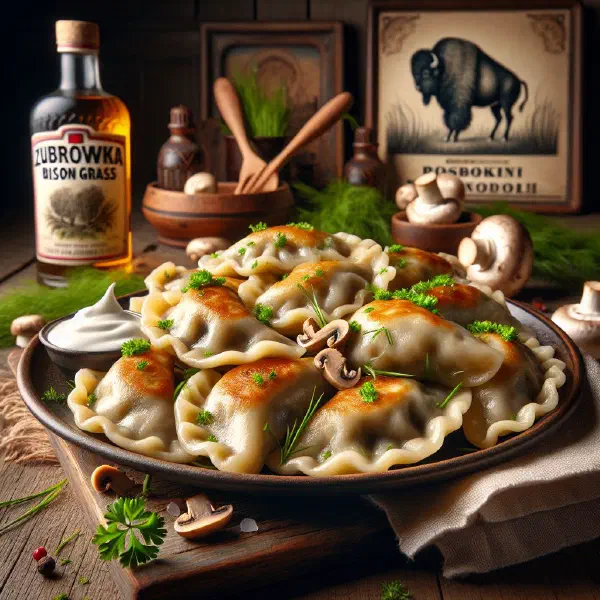
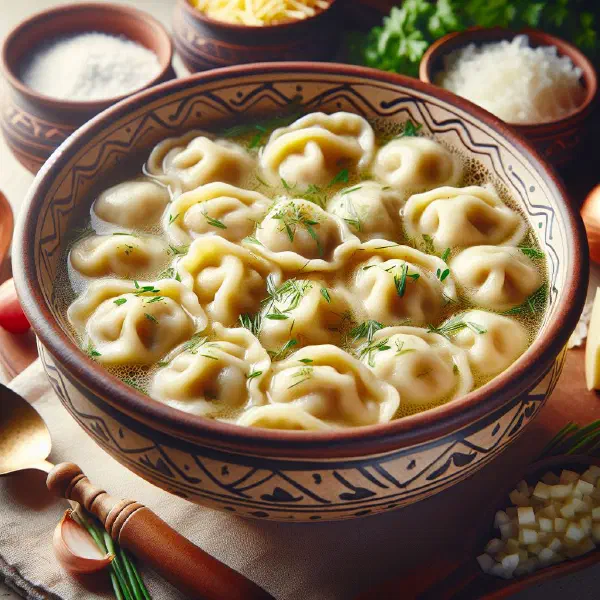
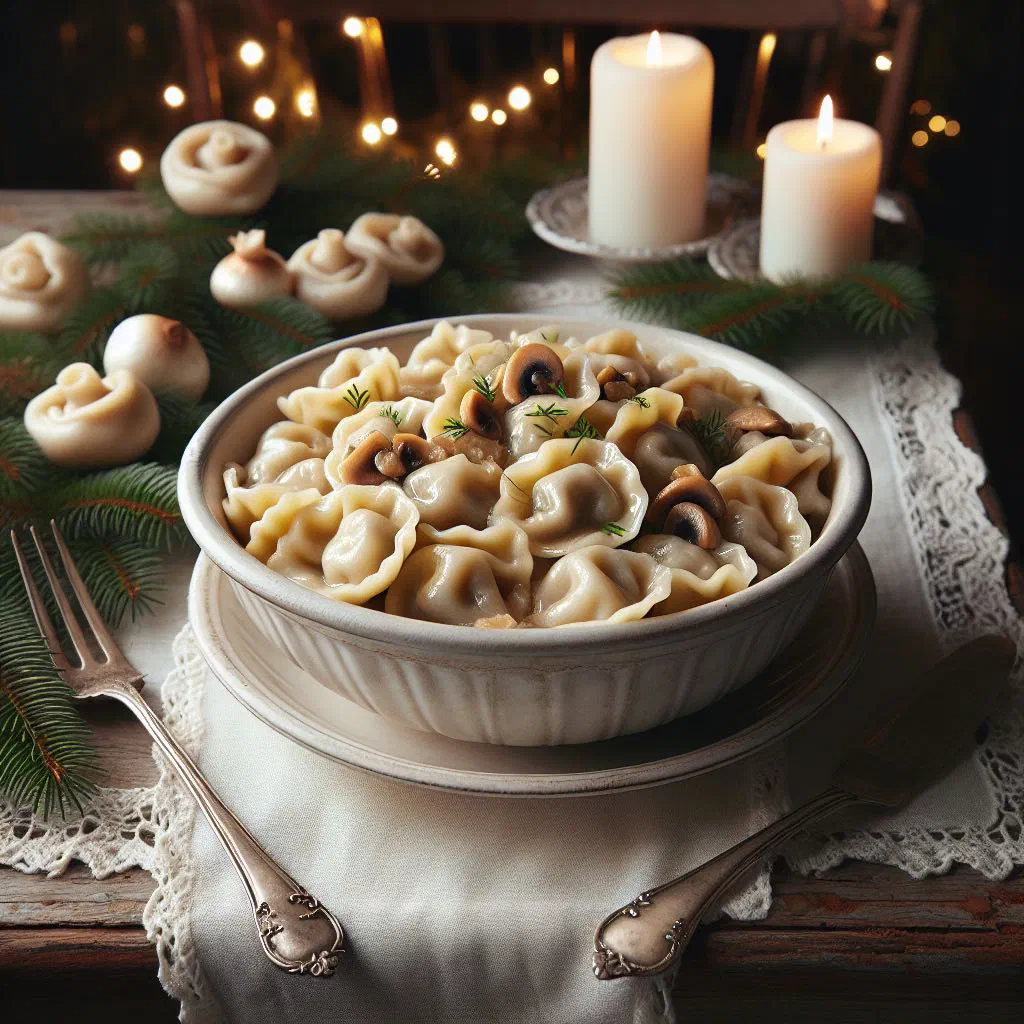
Meet Wigilijne Uszka, the tiny, ear-shaped dumplings that grace every Polish table on Christmas Eve. Folded around a savoury filling of mushrooms and sauerkraut, they are traditionally floated in a bowl of clear beetroot broth, where their delicate parcels soak up all that deep, festive flavour. They take a little patience to shape, but the pleasure on the faces of family and friends makes every fold worthwhile. Bring a taste of a Polish Wigilia supper straight to your own kitchen.
About Wigilijne Uszka
Wigilijne Uszka are a kind of small filled dumpling, traditionally stuffed with a savoury mixture of mushrooms and cabbage. These little parcels are rooted deep in Polish culture and are an indispensable part of the Christmas celebrations. They are most often served in a delicate broth that rounds out the whole experience, much like a bowl of Barszcz. Preparing them takes time and devotion, but the result is more than worth it, especially when you see how your loved ones react to that first spoonful.
Ingredients (serves 1–2)
- 100 g flour
- 1 egg
- 50 ml water
- 200 g fresh mushrooms (such as button mushrooms or porcini)
- 200 g sauerkraut
- 2 onions
- 1 tablespoon oil
- Salt and pepper to taste
Shopping for the ingredients
When shopping for the ingredients for Wigilijne Uszka, it is worth choosing fresh, good-quality produce. Visit your local market or a shop that specialises in Polish foods. Fresh mushrooms are crucial to the flavour, while the sauerkraut brings its own unique character thanks to fermentation. Think, too, about the quantities you need, especially if you plan to make the dish for guests as well.
Preparing the dish
Preparing the dish takes a little planning, particularly if you have never made dumplings before. Start by making the dough, carefully combining the flour, egg and water. Let the dough rest afterwards so that it is easier to work with. In the meantime you can prepare the filling, which forms the foundation of the whole flavour.
Step-by-step instructions
- Put the flour, egg and water in a bowl and knead into a smooth dough.
- Wrap the dough in cling film and let it rest for about 30 minutes.
- Meanwhile, finely chop the mushrooms and onions and sauté them in a pan with a little oil.
- Drain the sauerkraut well, add it in, then season with salt and pepper.
- Roll the dough out thinly and cut out small circles.
- Place a teaspoon of the filling on each circle and seal the edges firmly.
- Drop the filled dumplings into boiling water and cook for about 3–5 minutes, until they rise to the surface.
- Serve in broth or enjoy them on their own.
Gluten-free / lactose-free version
For a gluten-free version you can use gluten-free flour to make the dough. Take care that the filling contains only gluten-free ingredients too. For a lactose-free variation, reach for plant-based oils or lactose-free products to create the same delicious filling. Experiment with different gluten-free flour blends to achieve the best possible texture.
Tips for vegans and vegetarians
If you would like to prepare a vegan or vegetarian version of Wigilijne Uszka, you can replace the egg in the dough with a mixture of water and ground flaxseed. For the filling, use plant-based alternatives to butter or oil. Make sure the broth is plant-based as well, so the dish is completely free of animal products. These adjustments let you enjoy the Polish tradition in all its variety.
More tips and tricks
A few tips and tricks can make preparing Wigilijne Uszka considerably easier. Work quickly while shaping the dough so that it does not dry out. If you are making a larger batch, you can also freeze the dumplings and cook them at a later date. Take care not to leave them in the water too long, to keep them from falling apart. And do not forget to garnish with fresh herbs when serving.
Adapting the recipe to your taste
There are plenty of ways to adapt the recipe to your personal preferences. You could vary the filling, for example, by adding extra vegetables or spices. For a spicier note, try a pinch of paprika or chilli. Give your creativity free rein and bring your own personal touch to this traditional dish.
Ingredient substitutions
When making Wigilijne Uszka you can also consider substitutions for certain ingredients. If you do not have fresh mushrooms to hand, dried mushrooms soaked in water can be a fine option, the same aromatic base that gives Uszka Z Grzybami its depth. Instead of sauerkraut, a mix of blanched vegetables could be used for a different flavour. Consider different types of flour for the dough, too, to create varied textures and discover new tastes.
Drink pairing ideas
To round off the festive meal with a pleasant note, you can choose suitable drinks. A robust red wine or a Polish vodka would beautifully complement the flavours of Wigilijne Uszka. For an alcohol-free option, a fruity herbal tea or a homemade lemonade is ideal. These drinks complete the menu and help create a festive atmosphere.
Serving and presentation ideas
Presentation is especially important for making the dish feel festive. Serve the Wigilijne Uszka in an attractive bowl with fresh herbs or a squeeze of lemon juice. Add colourful sides that give the dish visual depth. The arrangement of the dumplings can also be done creatively, to create an inviting picture.
A bit of history
Wigilijne Uszka have a history closely bound up with Polish Christmas customs. Traditionally, a festive supper of twelve different dishes is prepared on Christmas Eve. The uszka symbolise prosperity and the sharing of good food with family and friends, appearing alongside other festive dishes such as Wigilijna Kutia. This dish is more than just food. It is a part of Polish culture and its values of community and togetherness, a cornerstone of festive Polish cuisine.
More recipe ideas
Summary: Wigilijne Uszka
Wigilijne Uszka are an indispensable part of the Polish Christmas celebrations, uniting both flavour and cultural significance. Preparing these dumplings takes devotion, but the result will pleasure your guests. Enchant your loved ones with this traditional recipe and bring a touch of Polish hospitality to your table. Let the festive atmosphere inspire you and savour every single bite.