National Dish Qatar: Fattoush (Recipe)
In this article
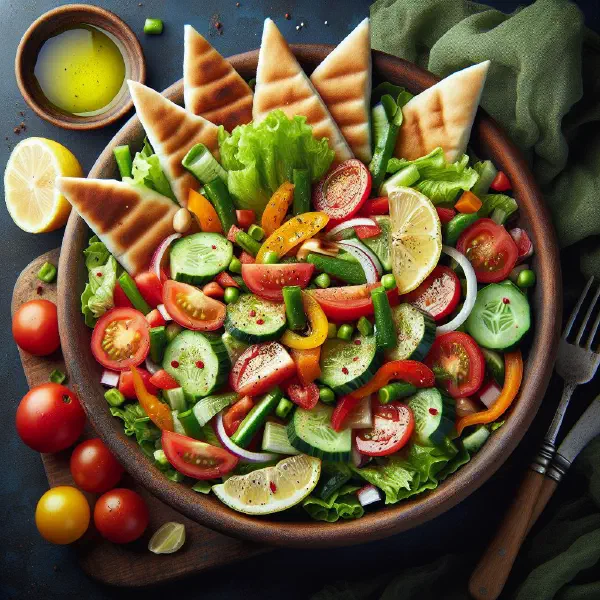
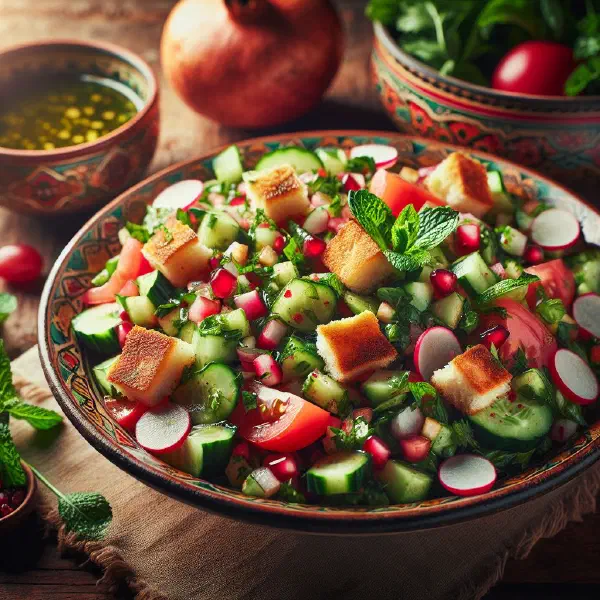
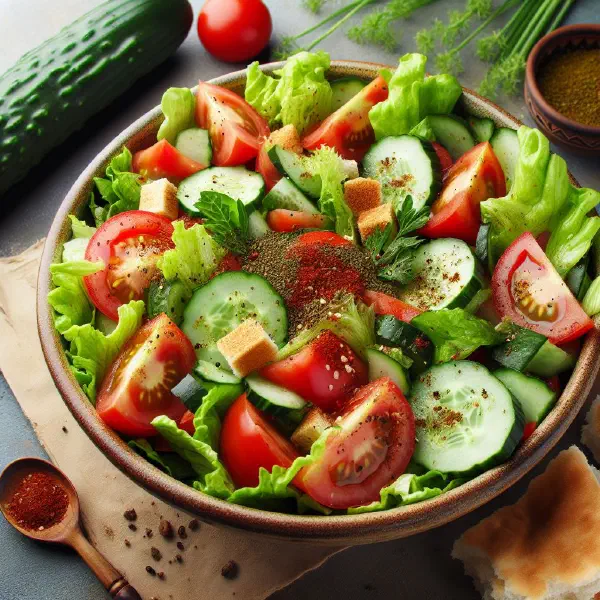
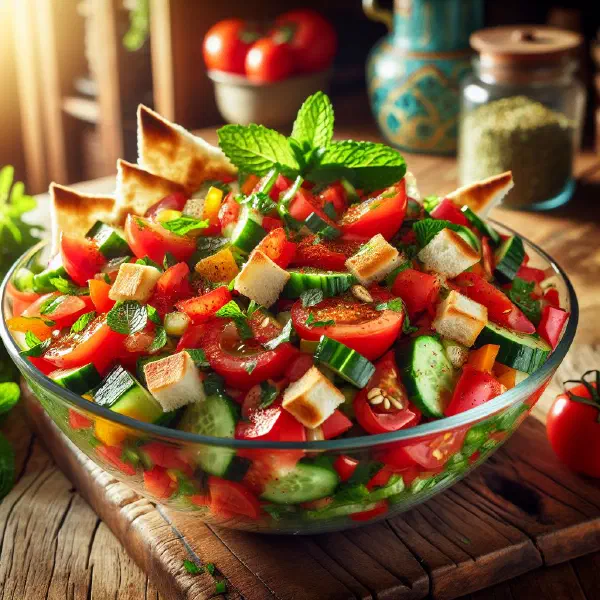
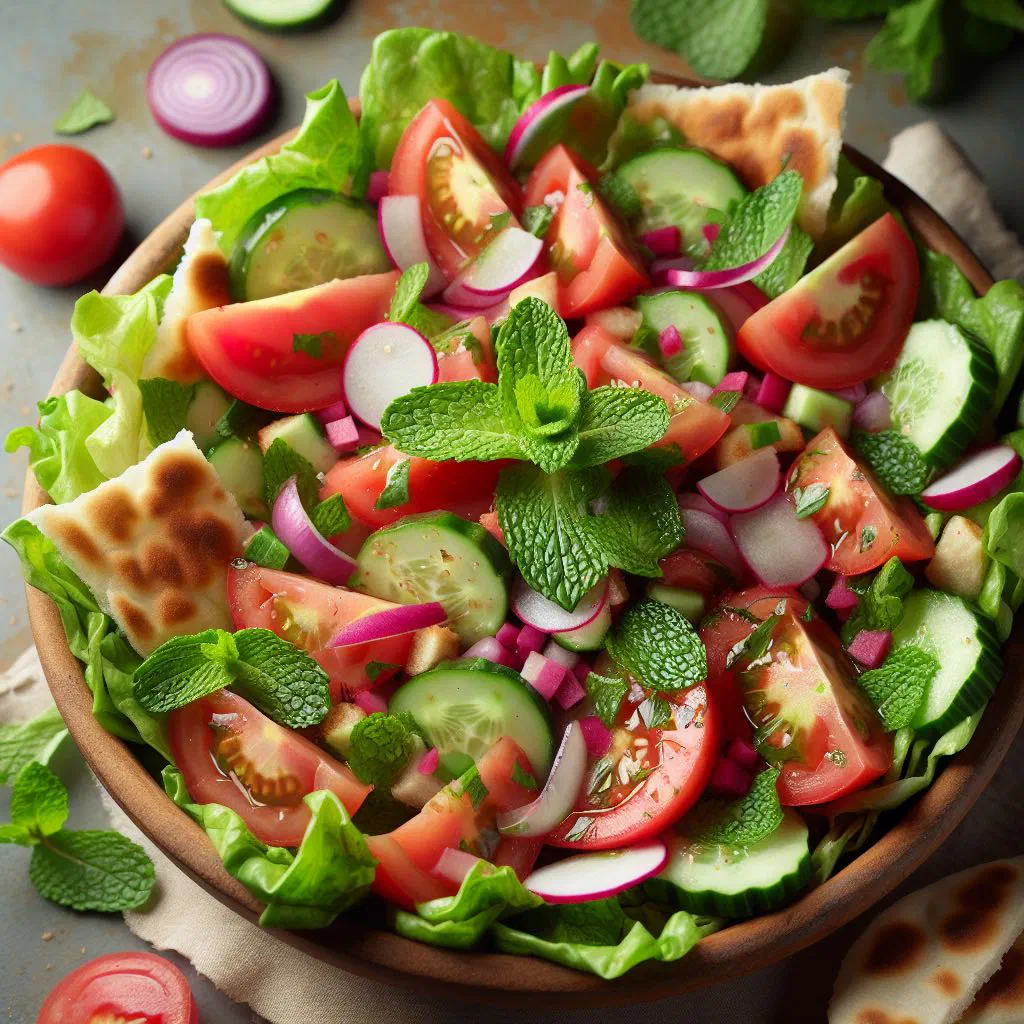
Meet Fattoush, the bright, refreshing salad that captures the spirit of Qatari and wider Arabic cooking. Colourful ripe vegetables meet crisp shards of toasted flatbread, all brought together with a zingy dressing of lemon and mint. It is a dish built around simple, seasonal produce, which makes it as sustainable as it is delicious. Serve it as a light meal in its own right or as a lively side, and you bring a taste of the Middle East straight to your table.
About Fattoush
Fattoush is far more than just a salad; it is a symbol of Qatari and broader Arabic cuisine. With its vivid mix of fresh vegetables and crunchy flatbread, it appeals to the palate the world over. The base of the salad is built on ingredients that are easy to find across the region, which makes it a wonderfully sustainable dish. It is often served with a citrus-fresh dressing of lemon and mint that lends the whole plate a cooling, uplifting note.
Ingredients (serves 1–2)
- 2–3 slices of flatbread
- 1 large tomato, diced
- 1/2 cucumber, diced
- 1 small onion, thinly sliced into rings
- 1–2 radishes, finely sliced
- 1/2 bunch parsley, roughly chopped
- 3–4 mint leaves, chopped
- Juice of 1 lemon
- 3 tablespoons olive oil
- Salt and pepper to taste
Shopping for the ingredients
When shopping for fattoush, the freshness of the ingredients is what really counts. Choose crisp vegetables and fresh herbs, as these give the salad its full, bright flavour. It is best to visit a local market or a good greengrocer to guarantee the quality of the produce. Wherever possible, reach for regional and seasonal ingredients, since these are tastier and kinder to the environment.
Preparing the dish
Before you start putting your fattoush together, prepare all of the ingredients. Cut the vegetables into even pieces to achieve an appealing, colourful look. The flatbread can be torn or cut into pieces, depending on how you prefer it. Don’t forget to wash and dry the herbs thoroughly to draw out the very best flavour.
Step-by-step instructions
- Tear the flatbread into small pieces and toast them in a dry pan, without oil, until crisp.
- Combine the prepared vegetables and herbs in a large bowl.
- In a separate bowl, whisk together the lemon juice, olive oil, salt and pepper to make the dressing.
- Pour the dressing over the vegetables and toss everything together well.
- Just before serving, fold through the crisp pieces of flatbread.
Gluten-free / lactose-free version
For a gluten-free version of fattoush, you can use gluten-free bread or simply add more vegetables to the salad. There are plenty of gluten-free bread alternatives that toast up just as crisp. No special adjustments are needed for a lactose-free version, as the salad contains no dairy at all. That keeps fattoush a naturally light and wholesome choice for everyone.
Tips for vegans and vegetarians
Fattoush is already vegan and suits plant-based eating beautifully. To take the recipe a step further, you can add vegan cheese alternatives for a creamy texture. Take care to choose good-quality ingredients so the aromas of the fresh herbs and vegetables really shine. It is also well worth getting creative with different vegetables to discover new flavours, much as you might with a colourful Mezze Platter.
More tips and tricks
To enjoy the full flavour of fattoush, let the salad rest for a few minutes after you assemble it, so the flavours can develop. A handy tip is to lightly salt the vegetables before serving, as this brings out their natural sweetness. Experiment with different spices or herbs to add your own personal touch and vary the taste. Above all, use fresh ingredients to make the most of every mouthful.
Adapting the recipe to your taste
Fattoush is an extremely flexible dish that adapts easily to personal preference. Feel free to add extra vegetables such as peppers or carrots, or even fruit like pomegranate seeds. Using spiced olive oil or different vinegars, you can fine-tune the flavour of the dressing to suit you. You can also vary the ratio of vegetables to bread, depending on whether you like it crunchier or mostly fresh.
Ingredient substitutions
If you are not keen on tomatoes, you can swap them for grated courgette or avocado, both of which sit well in the salad. For an extra layer of aroma, try replacing the mint with fresh basil leaves. Instead of flatbread you can also use pita or homemade bread, the same soft Khubz Arabi that turns up across the region. Just make sure any alternatives suit the consistency and texture of the salad.
Drink pairing ideas
Fattoush goes wonderfully with a whole range of drinks. A refreshing minted lime juice or a cool lemonade complements the flavours of the salad perfectly. For a festive occasion, a light, dry white wine can be served to underline the flavours. Alcohol-free cocktails that pair fruitiness with mint are another appealing choice.
Serving and presentation ideas
The presentation of fattoush can lift the whole dining experience. Serve the salad in a large, decorative bowl to show off the colourful ingredients. Garnish the dish with extra mint leaves and a squeeze of lemon juice to make it look even fresher. Small, colourful dishes of dressing on the side round off the picture and invite everyone to season the salad to their liking, an approach that works just as well alongside a bowl of Hummus.
A bit of history
Fattoush has its roots in Levantine cuisine and is loved throughout the countries of the Middle East. The salad originally grew out of necessity, a clever way to use up leftover flatbread that people so often had to hand. It is a fixture at many celebrations and gatherings, and it symbolises the region’s warm hospitality. Fattoush is therefore more than a dish but part of the cultural identity of countless families, and a fine example of Qatari cuisine.
More recipe ideas
Summary: Fattoush
To sum up, Fattoush is a wonderful dish that brings freshness and bright flavour to the plate. With its simple ingredients and fuss-free preparation, it works beautifully as a light meal or a side. It is not only healthy but, thanks to the fresh herbs and vegetables, delivers a real explosion of flavour. Give it a try and enjoy traditional Middle Eastern cooking at its very best.