National Dish Qatar: Harees Bil Laham (Recipe)
In this article
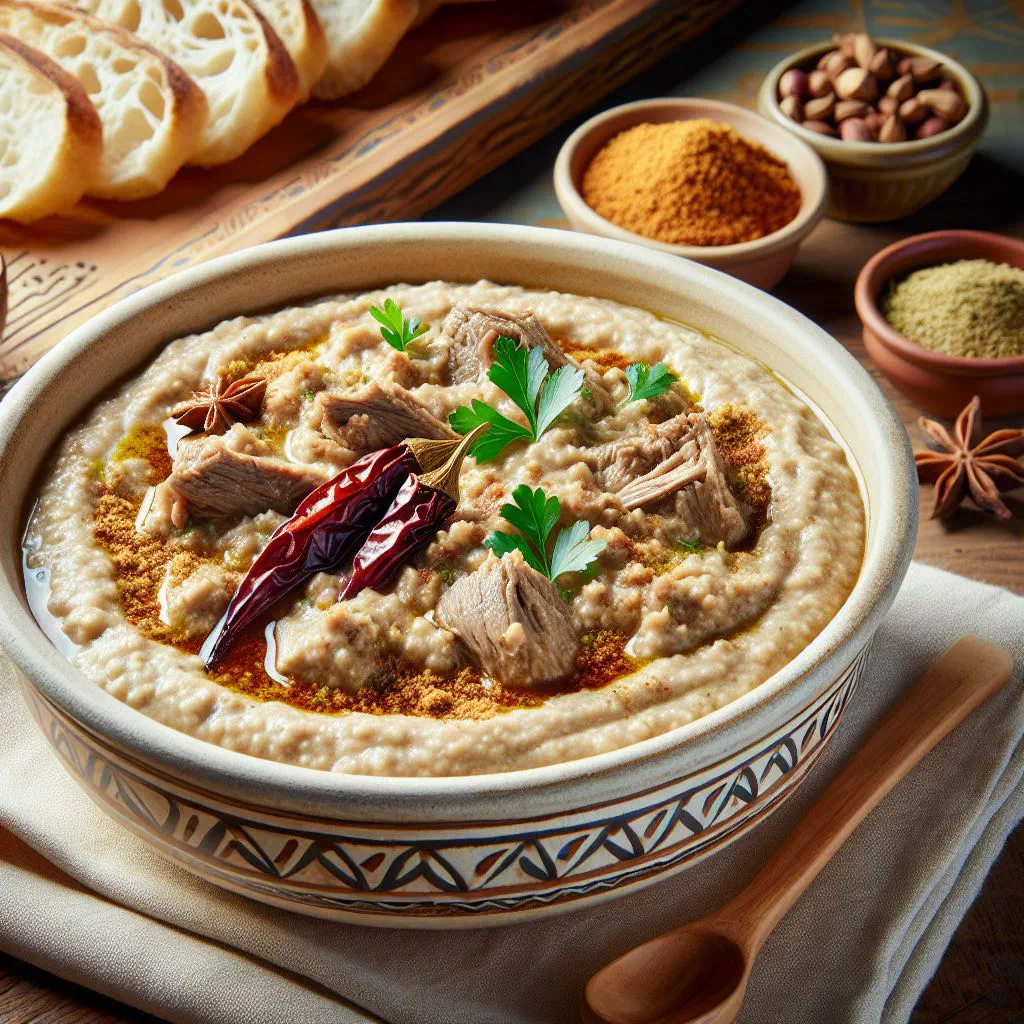
Discover Harees Bil Laham, one of Qatar’s most cherished comfort dishes. This slow-cooked classic brings together tender meat and softened wheat in a creamy, porridge-like bowl that has warmed Arabian tables for generations. Rich, nourishing and deeply satisfying, it is a dish born of patience and shared in good company. Bring the flavours and hospitality of the Gulf straight to your own kitchen.
About Harees Bil Laham
Harees Bil Laham is a traditional dish loved not only in Qatar but across much of the Middle East. It brings together tender meat and fine wheat to create a hearty, nourishing meal with a smooth, comforting texture. Preparing it calls for a careful choice of ingredients and plenty of patience, as it is cooked slowly over several hours. More than just a treat for the palate, this dish is a symbol of community and celebration in Qatari life, often gracing the table during festive gatherings.
Ingredients (serves 1–2)
- 300 g wheat (preferably durum wheat)
- 400 g lamb or beef
- 1 onion, diced
- 1 teaspoon salt
- 1/2 teaspoon black pepper
- 1 teaspoon cinnamon (optional)
- Water (as needed)
- Clarified butter or olive oil, to serve
Shopping for the ingredients
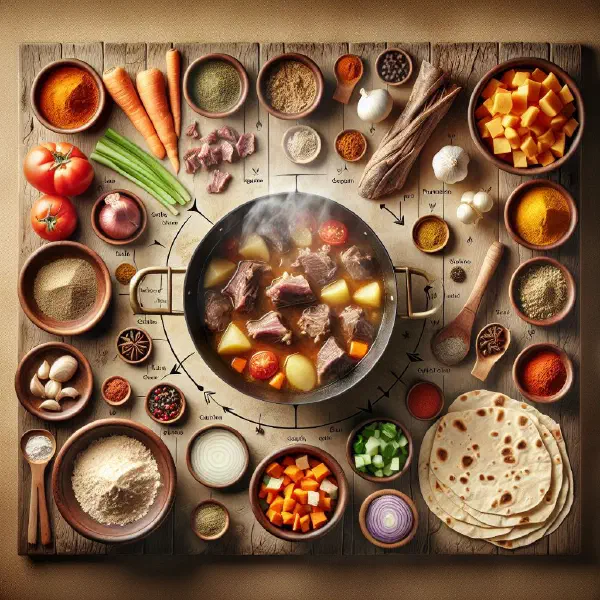
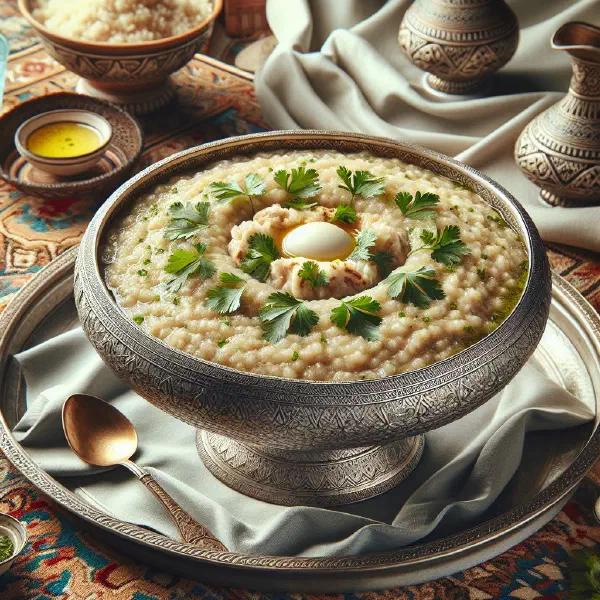
Choosing the right ingredients is key to a successful Harees Bil Laham. Visit a local market or a speciality shop to pick out fresh wheat and good-quality meat. Look for well-marbled meat to ensure maximum flavour and tenderness. With fresh ingredients like these, your dish is guaranteed to be a culinary experience. Many of the same building blocks appear in a classic bowl of Harees, so it is worth stocking up.
Preparing the dish
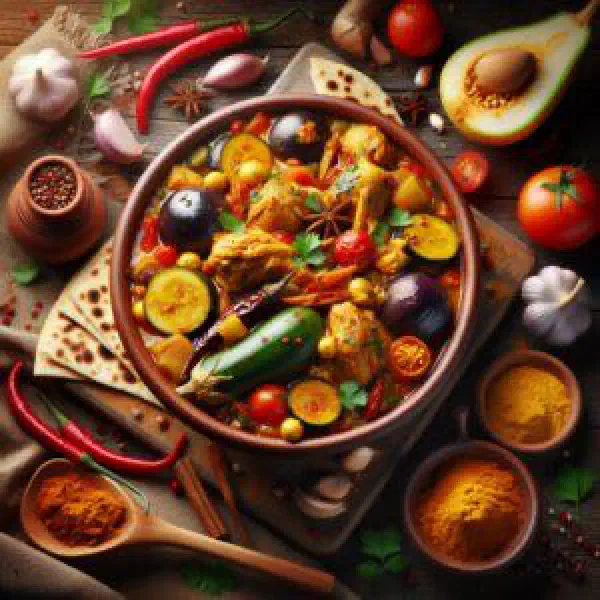
Before you start cooking, it is important to soak the wheat in water overnight. This softens the grains and shortens the cooking time. After soaking, rinse the wheat thoroughly. Preparing Harees Bil Laham is a process that calls for both time and attention to achieve the very best result, much like the slow-simmered comfort of Madrouba.
Step-by-step instructions
- Place the soaked wheat in a large pot and top up with plenty of water.
- Add the diced meat and the onion.
- Season with salt, pepper and, if you like, cinnamon.
- Bring the mixture to the boil, then reduce the heat and cover the pot.
- Let it simmer for at least 3–4 hours, stirring occasionally and adding water as needed.
- Once cooked, mash the mixture with a wooden spoon until it reaches a creamy consistency.
- Before serving, garnish with clarified butter or olive oil.
Gluten-free / lactose-free version
For a gluten-free version of Harees Bil Laham, you can use gluten-free oats or a special blend of gluten-free grains. Take care that all the other ingredients are lactose-free too, especially when adding butter or cream. If you want to keep the consistent texture of harees, you may need to try several gluten-free grains to reach the flavour and feel you are after.
Tips for vegans and vegetarians
A vegan version of Harees Bil Laham is easy to prepare by swapping the meat for mixed vegetables or lentils. To achieve a similar consistency, you can also add puréed vegetables or pulses. Choose spices that intensify the flavour of the dish, such as cumin or coriander. This way you end up with a tasty, nourishing meal that suits every dietary need.
More tips and tricks
To get the most out of your Harees Bil Laham, experiment with different spice combinations to find your own personal touch. Some cooks like to add garlic or fresh herbs such as coriander and parsley. Remember to taste the dish often and adjust as you go to find the perfect balance of flavours. Serve it hot to enjoy the full depth of taste.
Adapting the recipe to your taste
If you would like to tailor the flavour of your Harees Bil Laham, you can add extra ingredients such as nuts or dried fruit to give the dish a special note. For a spicier version, try adding hot chillies or paprika. Experiment with different spices to refine the dish to your own liking. That way, every time you make it, a new taste experience awaits.
Ingredient substitutions
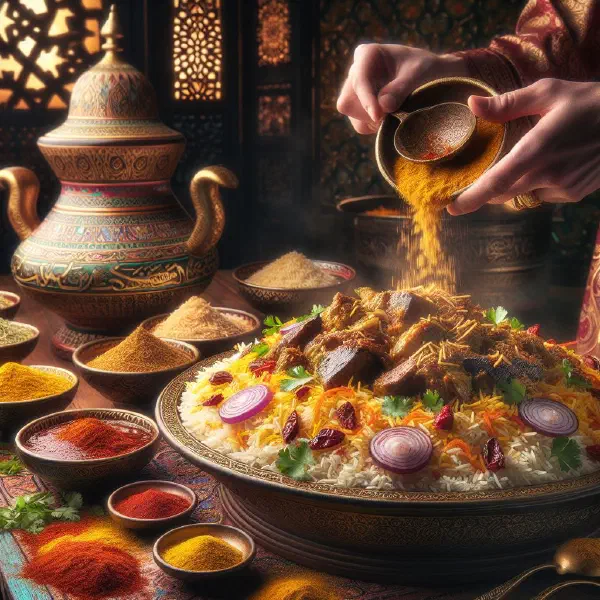
If you do not have certain ingredients to hand, there are plenty of alternatives you can use for your Harees Bil Laham. Lamb, for example, can be swapped for chicken or beef, depending on your taste and preference. When it comes to spices, feel free to experiment with substitutes such as cumin or paprika to develop new flavours. Keep in mind that the quality of your ingredients is crucial to the final result, the same principle that makes a good Machboos Laham shine.
Drink pairing ideas
Refreshing drinks pair perfectly with a hearty dish like Harees Bil Laham. Mint tea is a traditional choice that underlines the flavour of the dish. Alternatively, you could serve young coconut water or a fresh fruit smoothie to add a fruity note. A warming cup of Karak Tea is another classic Gulf pairing, offering pleasant refreshment alongside the meal.
Serving and presentation ideas
Presentation can make a real difference with Harees Bil Laham. Serve the dish in a beautiful bowl and garnish it with fresh herbs or toasted nuts to create an appealing look. Handmade ceramics or a traditional plate can lend the meal an authentic flair. Remember to serve any side dishes attractively too, to elevate the whole dining experience.
A bit of history
Harees Bil Laham has a long tradition across the Arab world and is often linked with festivities and special occasions. Originally, the dish was prepared as a nourishing meal for travellers, thanks to its simple preparation and the energy it provides. The combination of wheat and meat also symbolises the hospitality and generosity of Arab culture. Today it is a fixture in many families during Ramadan and other celebrations, underlining its cultural importance within Qatari cuisine.
More recipe ideas
Summary: Harees Bil Laham
Harees Bil Laham is more than just a dish; it is a symbol of Qatari culture and the joy of sharing. With its history and delicious flavours, it has pleased people for generations. Whether as part of a celebration or as a nourishing family meal, it embodies the very essence of Arab hospitality. Experience the shifting flavours and the warm sense of community that this traditional dish brings to the table.