National Dish Qatar: Margooga (Recipe)
In this article
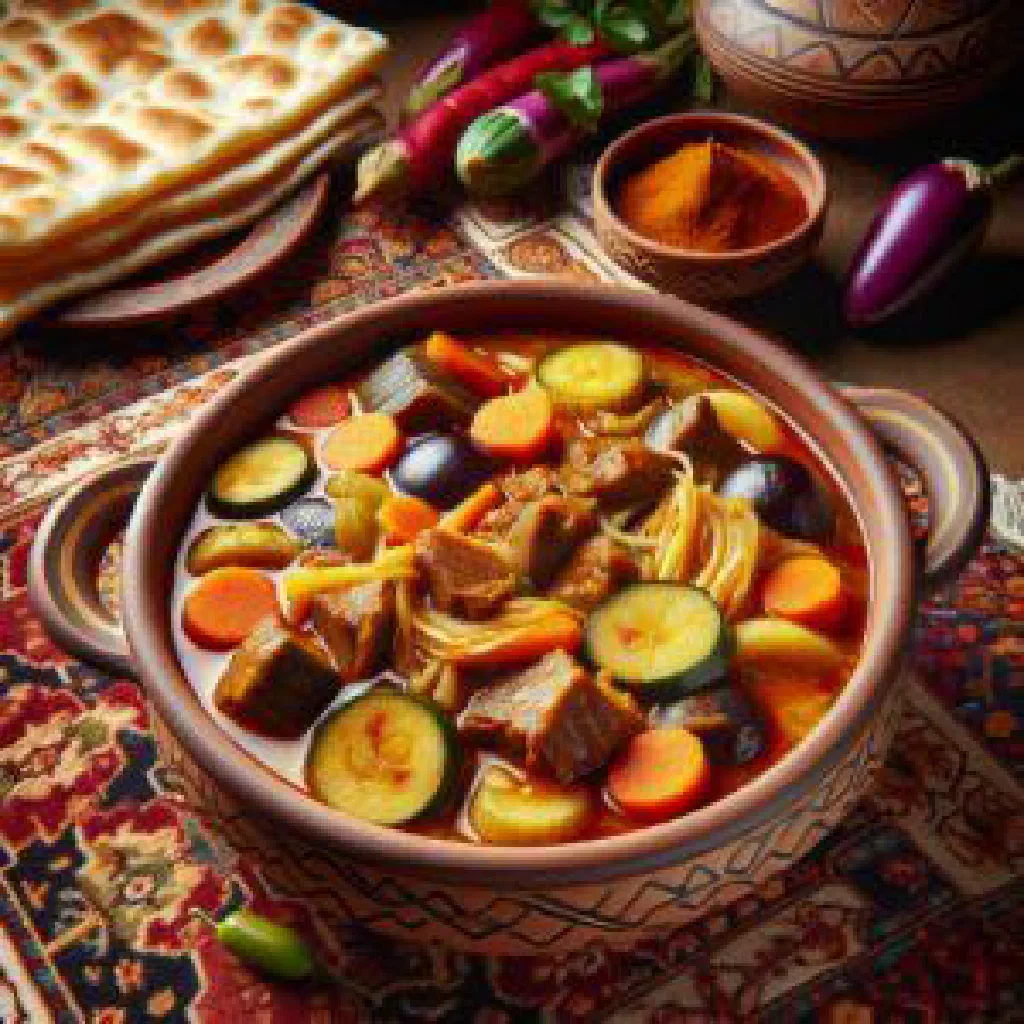
Meet Margooga, a warming Qatari stew that brings together tender meat, fresh vegetables and a fragrant blend of Middle Eastern spices. Nourishing and deeply satisfying, it is the kind of one-pot meal that graces the table at family gatherings and festive occasions alike. Its preparation often becomes a treasured ritual, passed down through generations. Bring a taste of the Gulf straight to your own kitchen with this comforting classic.
About Margooga
Margooga is a traditional dish that reflects the rich culinary heritage of Qatar. This delicious stew combines tender meat, fresh vegetables and a selection of aromatic spices that have made it a much-loved staple across the Middle East. It is especially popular at social gatherings, as it is both nourishing and hearty. Preparing the dish frequently becomes a family ritual, one that connects generations around a shared pot.
Ingredients (serves 1–2)
- 300g lamb or beef, cubed
- 1 large onion, diced
- 1 garlic clove, finely chopped
- 2 carrots, sliced
- 1 pepper, diced
- 1 tin chickpeas, drained
- 2 tsp cumin
- 1 tsp paprika
- 1.5 litres vegetable or beef stock
- Salt and pepper to taste
- Fresh coriander leaves, to garnish
Shopping for the ingredients
When shopping for the ingredients for margooga, it is worth choosing fresh, good-quality produce. Visit a local market or a well-stocked supermarket to find the best meat and freshest vegetables. Check that your spices are within date so you get their full flavour, and pick up some aromatic herbs to lend the stew an extra layer of character. A little care at this stage pays off in the finished dish.
Preparing the dish
Preparing the dish plays a decisive role in getting margooga right. Begin by cutting the meat into even cubes so it cooks through uniformly. The vegetables should likewise be chopped into even pieces to match the cooking time and let each ingredient shine. Good preparation keeps the cooking process smooth and helps the flavours meld together in harmony.
Step-by-step instructions
- Heat a little oil in a large pan and fry the onions and garlic until golden brown.
- Add the meat and brown it well on all sides.
- Stir in the carrots and pepper and cook briefly.
- Sprinkle the cumin and paprika over the vegetables and mix everything well.
- Pour in the stock and bring the pan to the boil.
- Reduce the heat and let the dish simmer gently for about 60 minutes, until the meat is tender.
- Add the chickpeas in the final 10 minutes.
- Season with salt, pepper and fresh coriander leaves, then serve.
Gluten-free / lactose-free version
Margooga is naturally gluten-free, as it is made chiefly from fresh vegetables and meat. To prepare a lactose-free version, simply make sure that every stock and ingredient you use is free from dairy. These products are usually easy to find in most supermarkets. Check the labels for gluten-free or lactose-free markings and there is nothing standing between you and a bowl of margooga.
Tips for vegans and vegetarians
For vegans and vegetarians, margooga is easily adapted by swapping the meat for tofu, seitan or a similar plant-based alternative. Vegetable stock slots neatly into the recipe to keep everything entirely plant-based. Adding a variety of seasonal vegetables makes the dish nourishing and full of flavour. Experiment with different spices to tune the taste to your own liking.
More tips and tricks
To make margooga even tastier, vary the spices and add ingredients such as cinnamon or cardamom. These lend the dish a special note and highlight its Middle Eastern character. Another useful tip is to marinate the meat overnight in the spices, which makes it especially tender and aromatic. The dish can also be made in large batches and stored to enjoy later.
Adapting the recipe to your taste
Adapting the recipe to suit your preferences is particularly easy with margooga. Depending on your taste, you can vary the vegetables or reach for a different type of meat. The heat can be dialled up or down with the addition of chillies or hot paprika flakes. Do not be afraid to make creative tweaks so the dish reflects your own personal tastes.
Ingredient substitutions
If you do not have every ingredient to hand, there are plenty of substitutions you can use. In place of chickpeas, for example, you might use lentils, which are also an excellent source of protein, much like the pulses that anchor a bowl of Mujadara. For a vegan version, jackfruit works well instead of meat, giving a pleasingly meat-like texture. Experiment to discover which alternatives best suit your own palate.
Drink pairing ideas
A range of drinks pairs especially well with a hearty dish like margooga. A classic Arabic mint tea makes a refreshing accompaniment, complementing the stew’s spices beautifully. Alternatively, a mild, fruity beer sits nicely alongside the flavours. For an alcohol-free option, a freshly pressed pomegranate juice is perfect for refreshing the palate.
Serving and presentation ideas
An attractive presentation of margooga can be simple yet effective. Serve the stew in a large bowl so it can shine as a main course. A garnish of fresh coriander leaves and a squeeze of lemon gives the dish an appealing look and intensifies its aromas. Paired with colourful sides such as flatbread or a fresh Fattoush salad, it makes for an inviting meal.
A bit of history
Margooga has a history rooted deeply in Qatari culture. The dish is often prepared as part of festive occasions or family celebrations, underlining the importance of community and togetherness. Its use of traditional spices and ingredients reflects the culinary influences of the region, and it is a fine example of how sharing food brings people together and preserves cultural traditions. It sits comfortably among the great stews and one-pot meals of Qatari cuisine.
More recipe ideas
Summary: Margooga
Margooga is a hearty and delicious dish that represents the refined food culture of Qatar. With its unique blend of tender meat, fresh vegetables and aromatic spices, it offers a festive treat and a lovely way to celebrate tradition and strengthen community. Whether as a warming meal on cold days or as the highlight of a social gathering, this dish is sure to become a favourite in your home too. Try the recipe for yourself and let the flavours of the Middle East win you over.