National Dish Qatar: Warak Enab (Recipe)
In this article
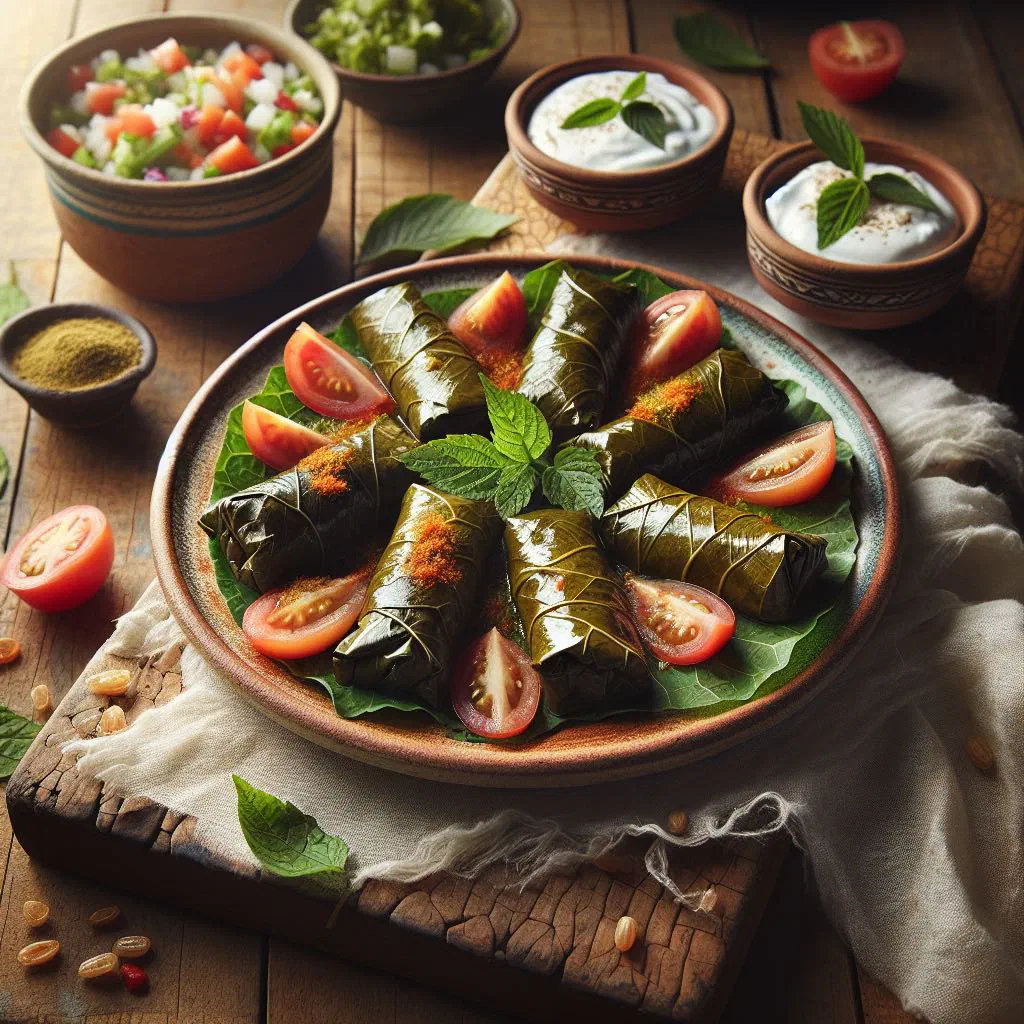
Discover Warak Enab, a treasured classic of Qatari cooking. These delicate stuffed vine leaves are as much a symbol of Arabian hospitality as they are a feast for the senses. Each little parcel wraps fragrant rice, fresh vegetables and warming spices in a tender leaf, finished with a bright squeeze of lemon. They bring a taste of the Gulf straight to your table.
About Warak Enab
Warak Enab is a traditional dish from Qatar that is cherished right across the Arab world. These stuffed vine leaves are a culinary pleasure and a symbol of the region’s rich culture and warm hospitality. Filled with a mixture of fresh vegetables, rice and an array of aromatic spices, they offer a flavourful experience that gently indulges the senses. Served as a starter or a main course, Warak Enab has a way of winning everyone over.
Ingredients (serves 1–2)
- 200 g vine leaves
- 100 g long-grain rice, uncooked
- 1 small onion, finely chopped
- 2 tomatoes, diced
- 1 tsp paprika
- 1 tsp ground cumin
- Salt and pepper, to taste
- Olive oil
- 1 lemon, for the juice
Shopping for the ingredients
To make Warak Enab, it is worth buying all the ingredients as fresh as possible. Visit your local market or grocery to find fresh vine leaves, or reach for the preserved varieties, which work just as well. The choice of spices matters too; use good-quality spices to bring out the full depth of flavour. Make sure the rice is of good quality, as it forms the very base of the dish.
Preparing the dish
Before you start assembling Warak Enab, it is important to prepare all the ingredients carefully. Rinse the vine leaves thoroughly and set them out ready for filling. The rice should be well washed and drained so it does not turn too sticky as it cooks. Combine the chopped onion, tomatoes, spices and rice in a large bowl to make the filling.
Step-by-step instructions
- Rinse the vine leaves and blanch them in boiling water until soft.
- In a bowl, mix the onion, tomatoes and spices with the rice.
- Lay a vine leaf on a clean tea towel, spoon a tablespoon of the filling onto it and fold the sides in.
- Arrange the rolled vine leaves snugly in a large pan.
- Pour over a mixture of water and lemon juice and leave to simmer for 30 minutes.
- Serve the warm Warak Enab straight away and enjoy.
Gluten-free / lactose-free version
Warak Enab is naturally gluten-free and lactose-free, as long as you make sure every ingredient, the rice and spices included, is free of gluten and lactose. It is an excellent option for anyone with food intolerances. If you are following a gluten-free diet, choose fresh, unprocessed ingredients to make the dish even wholesome. Enjoy your delicious meal without a second thought.
Tips for vegans and vegetarians
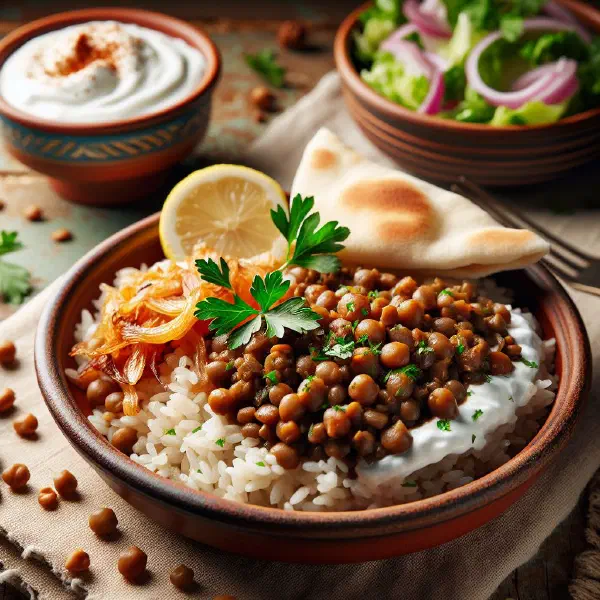
Warak Enab is easily adapted for vegans and vegetarians. Simply keep the filling entirely plant-based. In place of meat you can add extra vegetables or pulses such as chickpeas to boost the nutritional value, much as they do in a hearty bowl of Mujadara. You might also stir in herbs like coriander or mint to make the dish even more fragrant.
More tips and tricks
To get the very best from Warak Enab, a few practical tips go a long way. Rinse the vine leaves well before filling to remove any lingering bitterness. A quick and efficient way to fill the leaves is to use two spoons. If the dish looks a little dry during cooking, add a splash more water so the vine leaves cook through perfectly.
Adapting the recipe to your taste
Warak Enab is an extremely adaptable dish. You can vary the filling to suit your own taste by adding different vegetables or a protein of your choice. Exotic spices can also be worked in to give the dish a whole new character.
Ingredient substitutions
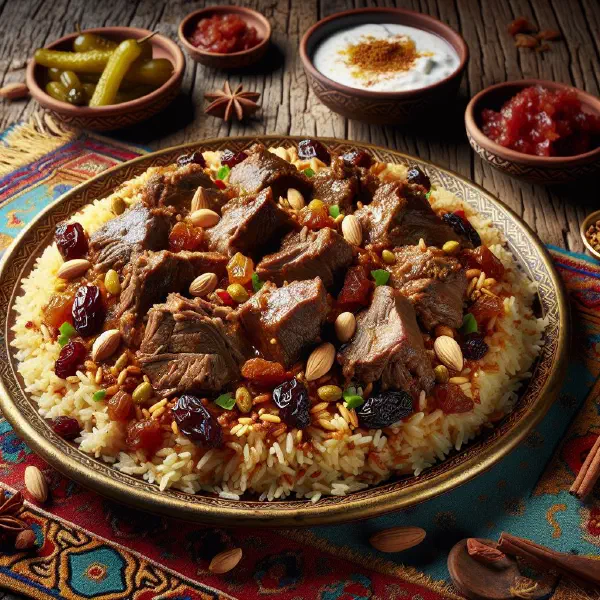
If you cannot find fresh vine leaves, preserved ones make a fine alternative. For a variation on the classic, you can swap the rice for quinoa, which also keeps the dish gluten-free. Adding nuts or dried fruit can bring an interesting twist of flavour, much like the fruit-studded rice in a fragrant Kabsa.
Drink pairing ideas
Pair Warak Enab with a refreshing drink to lift the whole experience. A classic Arabic tea or a fruit juice goes beautifully alongside, a spiced Karak Tea is a particularly lovely match. Alternatively, serve a glass of sparkling water or a light, dry white wine.
Serving and presentation ideas
The way you present Warak Enab can greatly enhance the whole eating experience. Serve the stuffed vine leaves on a large, decorative plate, garnished with fresh herbs and lemon slices. Small bowls of dips such as yoghurt or tahini can lift the presentation further, and a spread of Hummus alongside rounds out the table nicely. Take care to arrange the colours and textures attractively so you please the eye as well as the palate.
A bit of history
Warak Enab has a long history in Arabic cooking and is often enjoyed at festive occasions. Preparing it calls for plenty of patience and skill, which makes it a special part of any celebration. In Qatar the dish reflects the cultural influences that run through Middle Eastern Qatari cuisine. Warak Enab is not simply a recipe but a tradition handed down across the generations.
More recipe ideas
Summary: Warak Enab
Warak Enab is more than just a dish; it is a culinary experience that reflects the spirit and cultural identity of Qatar. It is ideal for any occasion, whether as a starter or a main course, and can be easily adapted to individual tastes. The combination of fresh ingredients and aromatic spices makes Warak Enab a treat no one would want to miss. Let the rich tradition and wonderful flavour of these stuffed vine leaves inspire you to give them a try.