National Dish Qatar: Zaatar Manakish (Recipe)
In this article
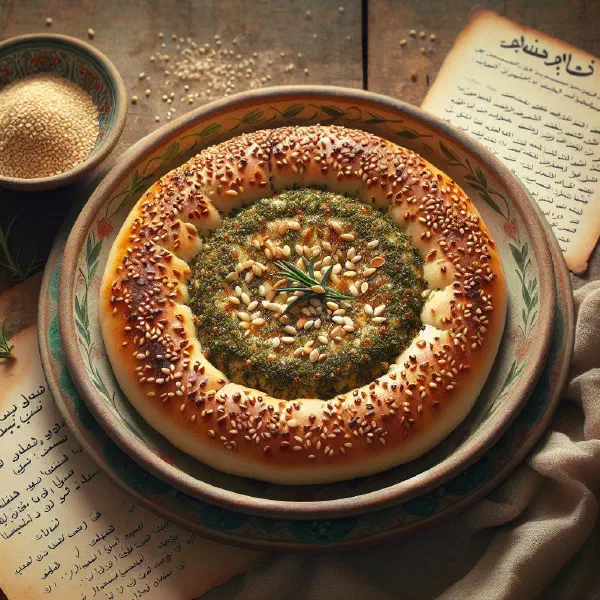
Discover Zaatar Manakish, the fragrant flatbread that has become a breakfast institution right across the Middle East. Crisp at the edges, soft in the middle and generously brushed with a herby paste of zaatar and olive oil, it is the kind of simple bake that punches far above its weight. Add a scattering of cheese if you like, tear it warm from the oven, and you have a snack that tastes of sunlit mornings in the Gulf.
About Zaatar Manakish
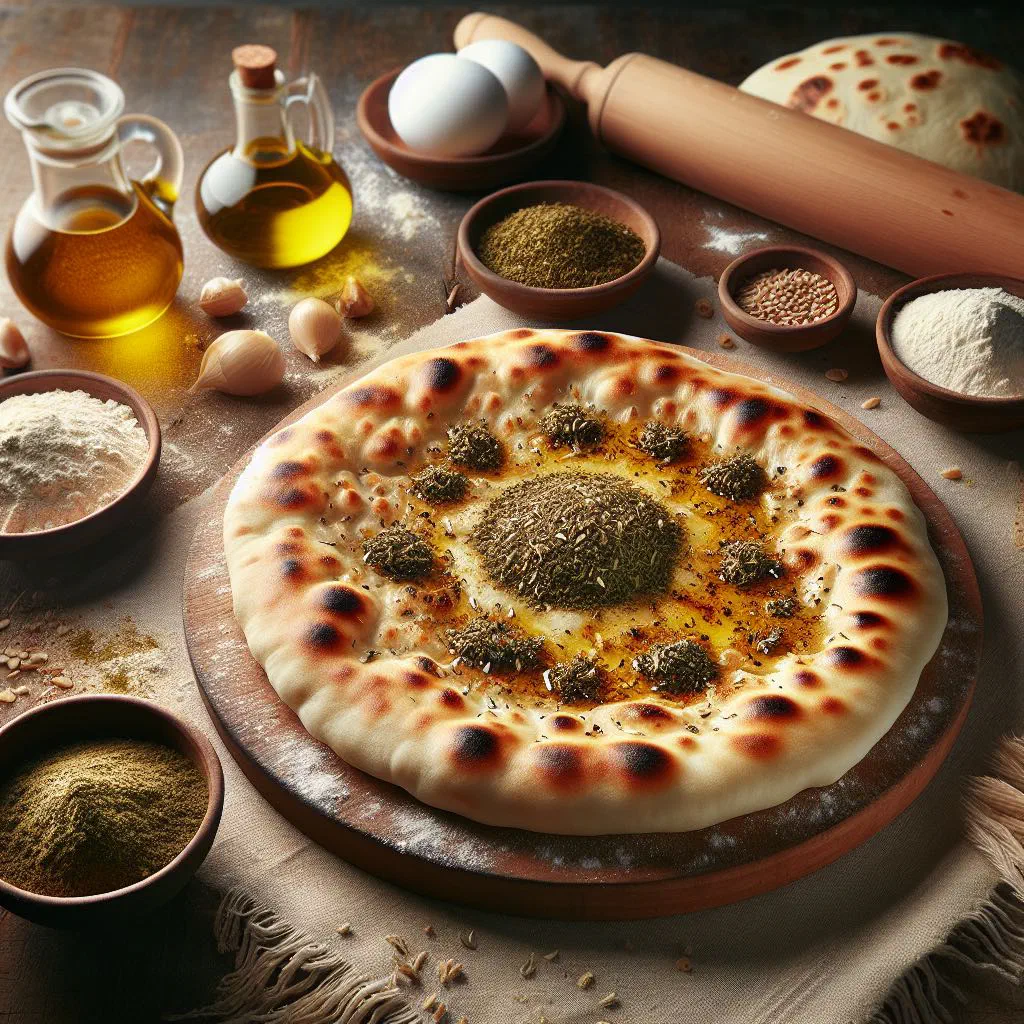
Zaatar Manakish is a traditional flatbread enjoyed in many countries across the Middle East. It is a delicious snack eaten at breakfast just as happily as at any other time of day. The base is a straightforward yeasted flatbread, spread with a special mixture of zaatar herbs, olive oil and, in some versions, cheese. The combination of aromas makes this dish unmistakable and brings the authentic flavour of the region straight to your plate.
Ingredients (serves 1–2)
- 250 g flour (or gluten-free flour)
- 1 tsp dried yeast
- 1 tsp sugar
- 1 tsp salt
- 150 ml warm water
- 3–4 tablespoons zaatar
- 2–3 tablespoons olive oil
- Optional: grated cheese (mozzarella or feta, for example)
Shopping for the ingredients
The ingredients for zaatar manakish are easy to find in most supermarkets and in Turkish or Arabic grocery shops. The blend of zaatar herbs in particular is typical of Middle Eastern cooking and can usually be found on the specialist spice shelves. Alternatively, you can try mixing your own from thyme, sesame seeds and sumac to suit your own palate. It is worth using a good-quality olive oil, as it does a great deal to carry the aroma of the finished bread.
Preparing the dish
Getting the ingredients ready for zaatar manakish is quick and simple. Start by combining the flour and the yeast thoroughly in a bowl. For the best dough consistency, add the warm water gradually while stirring continuously. Then leave the dough to rest somewhere warm so it can rise. This usually takes around 30 to 60 minutes.
Step-by-step instructions
- Mix the flour, yeast, sugar and salt in a large bowl.
- Add the warm water a little at a time until you have a smooth dough.
- Leave the dough to prove in a warm place for about 30 minutes.
- Roll the dough out on a floured work surface.
- Mix the zaatar and olive oil well and spread evenly over the flatbread.
- Optional: scatter grated cheese evenly over the zaatar mixture.
- Bake at 200°C in a preheated oven for 10–15 minutes, until the bread is golden brown.
Gluten-free / lactose-free version
For a gluten-free take on zaatar manakish, use one of the gluten-free flours now widely available in supermarkets. Do check that all the other ingredients are gluten-free too. Looking for a lactose-free version? The cheese can simply be left out or swapped for a lactose-free alternative. Adjustments like these mean anyone with an intolerance can still enjoy this Middle Eastern treat.
Tips for vegans and vegetarians
Zaatar manakish suits a vegan diet perfectly as long as you leave the cheese out. In its place you can pile on vegetable toppings such as spinach, tomatoes or even olives. That combination adds not only extra flavour but a welcome splash of colour. In spring and summer especially, fresh herbs like parsley or mint make lovely additions, much as they do in a bright bowl of Fattoush.
More tips and tricks
To bake the perfect zaatar manakish, make sure the oven is thoroughly preheated so the bread crisps evenly. A pizza stone helps distribute the heat consistently. Roll the flatbread a little thicker if you prefer a softer crumb, while thinner versions come out crisper. It is also well worth experimenting with different herb blends until you hit on your own favourite balance.
Adapting the recipe to your taste
This recipe offers plenty of scope for personal tweaks. Try lifting the zaatar mixture with garlic powder or paprika to create something entirely new. You can also add extra spices such as cumin to deepen the aroma further. Using different cheeses opens up another set of interesting flavour variations, from sharp and salty to mild and melting.
Ingredient substitutions
If you do not have every ingredient to hand, there are plenty of alternatives. Instead of white flour you can use wholemeal flour or oat flour. Olive oil can be replaced with rapeseed or avocado oil for a slightly different flavour note. And in place of the traditional zaatar blend, a Mediterranean herb mix will give you a comparable result, handy if you are also baking Khubz Arabi on the same day.
Drink pairing ideas
Zaatar manakish partners beautifully with a range of drinks. A fresh mint tea is a particularly good match and coaxes out the flavours of the Middle East. Yoghurt drinks or fruit juices make a refreshing accompaniment too. For something more special, serve it with Arabic Coffee, whose robust character is an excellent foil to the herby bread.
Serving and presentation ideas
To present your manakish attractively, cut it into small pieces and arrange them on a decorative platter. Garnish with fresh herbs such as parsley or coriander for a colourful accent. Serve it alongside dips such as Hummus or baba ganoush for a complete tasting experience.
A bit of history
The story of zaatar manakish stretches a long way back and mirrors the wider food culture of the Middle East. It was originally prepared as a quick breakfast for labourers and farmers heading out to work. Zaatar itself is a blend of herbs held in high regard in Arab culture and often prized for its health-giving properties. The humble flatbread paired with that aromatic mixture has established itself over generations as a much-loved dish, and remains one of the friendliest introductions to Qatari cuisine.
More recipe ideas
Summary: Zaatar Manakish
In short, zaatar manakish is a delicious and versatile Middle Eastern speciality that is easy to make whether you are a beginner or a seasoned cook. With its distinctive aromas and its openness to adaptation, it suits all manner of tastes and occasions. As a snack, a breakfast or part of a larger buffet, it delivers an authentic taste of the region every time. Let this flatbread inspire you and enjoy everything Middle Eastern baking has to offer.