National Dish Romania: Coliva (Recipe)
In this article
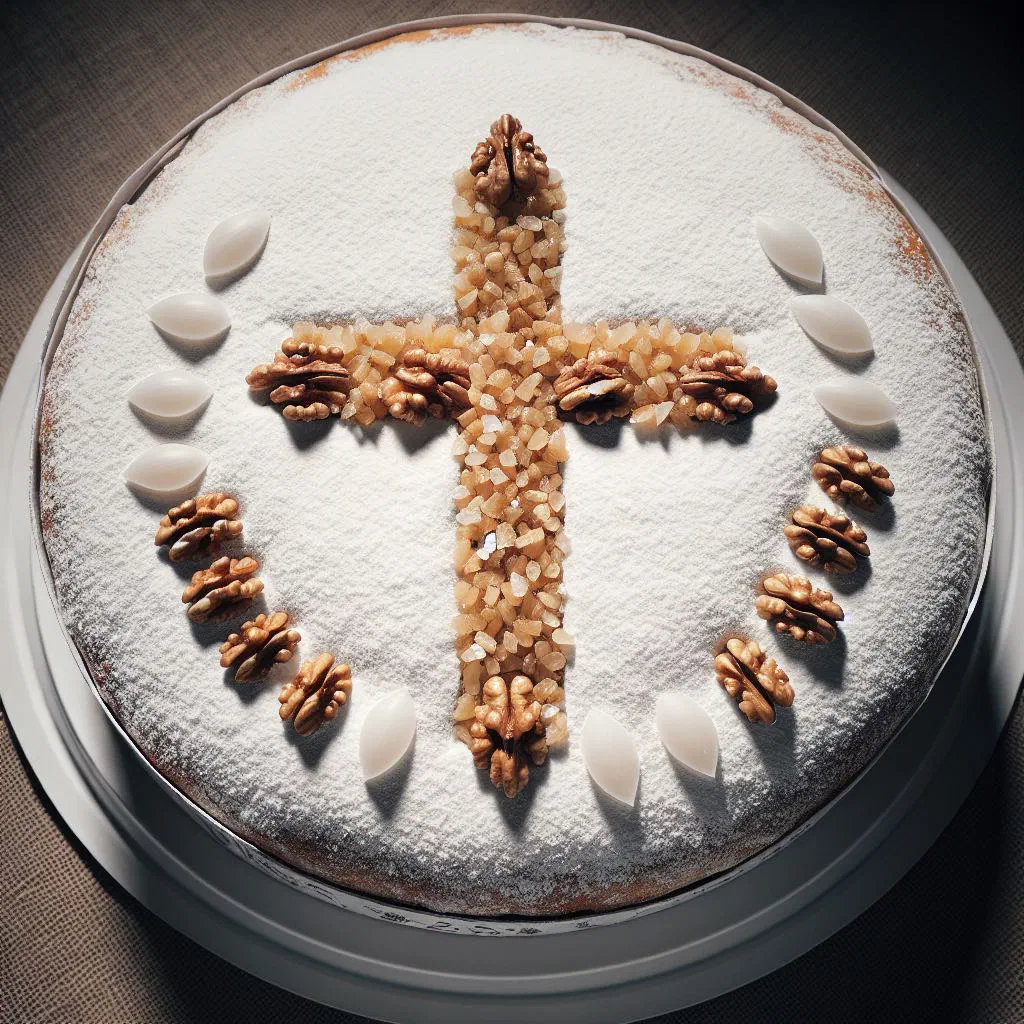
Discover Coliva, one of Romania’s most meaningful and time-honoured dishes. This gently sweet pudding of boiled wheat, walnuts, sugar and raisins is traditionally prepared for memorial gatherings, where sharing it is a heartfelt act of remembrance. Its varied texture and warm, nutty aroma make it as comforting to eat as it is symbolic. Bring a little piece of Romanian tradition into your own kitchen with this simple yet deeply significant recipe.
About Coliva
Coliva is a traditional Romanian dish most often prepared for memorial services and commemorations. It is a sweet dish made from boiled wheat, walnuts, sugar and raisins, and preparing it is far more than a culinary exercise. It is a symbolic act of remembrance for departed loved ones. The combination of ingredients gives it a wonderfully varied texture and an intense aroma that stirs memories and offers comfort. Few dishes carry as much emotional weight while remaining so straightforward to make.
Ingredients (serves 1–2)
- 200 g durum wheat semolina
- 100 g walnuts
- 50 g sugar
- 50 g raisins
- 1 teaspoon vanilla sugar
- Water (for cooking)
- Chocolate (for decorating, optional)
Shopping for the ingredients
When shopping for the ingredients for coliva, it is well worth paying attention to the quality of the ingredients. Choose fresh walnuts to achieve the best flavour, and go for unsweetened raisins so your coliva does not turn out unnecessarily sugary. Durum wheat semolina is available in most supermarkets or health-food shops. If you prefer, you can also buy raw or untoasted walnuts so you can decide on the degree of toasting yourself.
Preparing the dish
Preparing coliva is simple, but it does call for a little patience and attention to detail. First, prepare the durum wheat semolina properly by letting it swell in boiling water. To do this, add the semolina slowly to the boiling water while stirring constantly, which helps to prevent lumps. While the semolina cooks, you can get the walnuts and raisins ready, grinding or roughly chopping them depending on the texture you are after.
Step-by-step instructions
- Bring 300 ml of water to the boil in a saucepan.
- Add the durum wheat semolina slowly, stirring constantly, and let it swell for about 10 minutes.
- Once it has swollen, take the semolina off the heat and let it cool a little.
- Add the ground walnuts, raisins, sugar and vanilla sugar, and mix everything together well.
- Press the mixture into a shallow dish or onto a plate and smooth the surface.
- Optional: melt the chocolate and pour it over the coliva to decorate.
- Chill the coliva in the fridge for at least an hour so that it sets firm.
Gluten-free / lactose-free version
For a gluten-free coliva, you can use gluten-free flour in place of durum wheat semolina, which works just as well. Take care to choose a blend with a consistency similar to that of semolina. What is more, coliva is naturally lactose-free, as the classic recipe contains no dairy products at all. These adjustments make the dish suitable for a much wider audience without any loss of flavour.
Tips for vegans and vegetarians
Vegans can enjoy coliva with ease, as the original recipe was already vegan from the outset. If you would like to reduce the sugar content or make the sweetness more natural, you can use agave syrup or maple syrup as a sweetener instead. When it comes to the chocolate, plant-based alternatives, usually made without milk, are readily available. That way everyone can savour the unique aroma and texture of coliva.
More tips and tricks
A well-made coliva benefits from a few small tricks that intensify its flavours. A pinch of cinnamon or a spoonful of nut butter can lend the dish an interesting new note. If you want a special aroma, you can also add orange zest or lemon zest to bring a touch of freshness. Do not stop at the walnuts either, swapping them for almonds or hazelnuts is a quick way to vary the recipe and give it a fresh twist.
Adapting the recipe to your taste
Coliva lends itself beautifully to personal adjustments. If you prefer it less sweet, simply reduce the amount of sugar or use unsweetened ingredients. Adding dried fruit such as dates or figs can introduce an interesting new dimension of flavour. To bring out the chocolate notes, you can replace the chocolate with cacao nibs, and the result will still be delicious.
Ingredient substitutions
Most hitches in the recipe can be sorted with simple alternatives. Walnuts, for example, are easily replaced with other nuts such as cashews or pecans. For sweetening, honey can be used in place of sugar, though it is important to keep vegan needs in mind if that matters to you. For a fruitier finish, fresh pieces of fruit such as apples or pears can be folded into the mixture. Fruit-forward touches like these also feature in dishes such as Prajitura Cu Mere.
Drink pairing ideas
Plenty of drinks pair well with coliva. A black tea or herbal tea makes a wonderfully harmonious choice to accompany the sweet flavours. A light rosé or a sparkling cava can add a festive touch and round off the flavour combination perfectly. For an alcohol-free option, sparkling water with lemon works splendidly to balance the sweetness of the coliva, as does a homemade Compot De Fructe.
Serving and presentation ideas
Presentation can make a real difference to the overall impression of a dish. Coliva can be arranged in a stylish way, using edible flowers for decoration, for instance. A few fresh mint leaves lend the dessert a crisp accent and enhance the range of colours. You might also serve the dish in small glasses or on beautiful plates to create an inviting and appealing picture, much as you would for a plate of Cozonac Cu Nuca.
A bit of history
The tradition of preparing coliva reaches deep into Romanian culture and is closely bound up with ritual commemorations. Originally it was a symbol of remembrance for departed loved ones, which is why preparing and sharing the dish within the community remains so important. It is often connected with the belief that sharing coliva helps to honour and support the souls of the departed. This long history makes coliva a delicious dish and an emotional expression of love and reverence, and it holds a cherished place within Romanian cuisine alongside memorial sweets such as Mucenici Moldovenesti.
More recipe ideas
Summary: Coliva
Coliva is a delicious and traditional Romanian dessert that appeals to the palate while awakening memories of loved ones. With its simple, nourishing ingredients, it offers a wealth of ways to adapt it, so that everyone can enjoy it regardless of dietary restrictions. This dish is a joy for the senses and a meaningful symbol of respect and honour for those who have passed. Give coliva a try and bring a piece of Romanian culture into your own kitchen.