National Dish Romania: Mucenici Muntenești (Recipe)
In this article
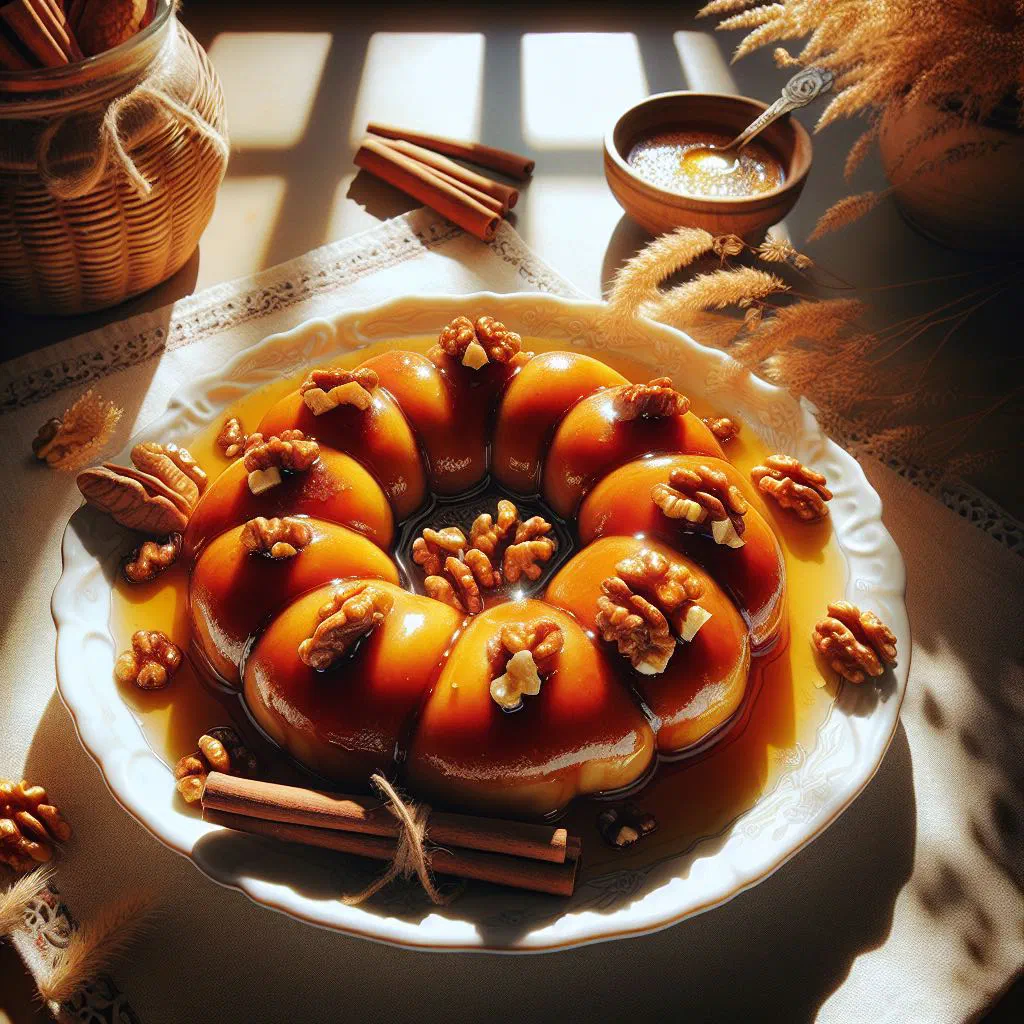
Meet Mucenici Muntenești, one of Romania’s most cherished festive treats. These charming figure-shaped pastries are traditionally baked around the ninth of March to mark the feast of the Forty Martyrs, filling the kitchen with the warm scent of cinnamon and toasted walnuts. More than just a sweet, they are a symbol of family, faith and the bonds that pass from one generation to the next. Bring a slice of Romanian celebration into your own home.
About Mucenici Muntenești
Mucenici Muntenești are a traditional Romanian dish prepared for celebrations and special occasions. These good little dough figures are rooted deep in Romanian culture and are usually served around the ninth of March, the feast day of the Holy Forty Martyrs. They are a treat for the palate and a symbol of the connection between generations. Enjoying this delicate sweet is a wonderful way to celebrate Romanian tradition and heritage, sharing both flavour and history around the table.
Ingredients (serves 1–2)
- 250 g flour
- 125 ml water
- 50 g sugar
- 1 tsp dried yeast
- 1 tsp cinnamon
- 1 pinch of salt
- Optional: chopped walnuts or almonds
Shopping for the ingredients
To make Mucenici Muntenești, you should be able to find everything you need in a well-stocked supermarket or health-food shop. Take care to choose fresh dried yeast and good-quality flour, as both have a big impact on the overall flavour of the pastry. The cinnamon should be fresh too, so it brings out the best aroma. If you would like to add special touches such as chopped nuts, check that they are of good quality and freshness to get the most out of your dish.
Preparing the dish
Making Mucenici takes a little patience and skill, but the effort is absolutely worth it. Begin by laying out all your ingredients so the cooking goes smoothly from start to finish. Be sure to allow enough time for the dough to rest, as this really helps the flavour develop. Once everything is ready and to hand, you can turn your attention to the next stage, which is preparing the dough itself.
Step-by-step instructions
- Dissolve the dried yeast in the warm water in a bowl and leave to rest for 10 minutes.
- In a separate bowl, combine the flour, sugar, cinnamon and salt.
- Add the dissolved yeast to the flour mixture and knead into a smooth dough.
- Cover the dough and leave it to prove in a warm place for about 1 hour, until doubled in size.
- Roll the dough out on a floured surface and cut it into narrow strips.
- Shape each strip into a figure and place it on a baking tray.
- Bake at 180°C for about 20 minutes, until the mucenici are golden brown.
- Once baked, roll the mucenici in a mixture of sugar and cinnamon.
Gluten-free / lactose-free version
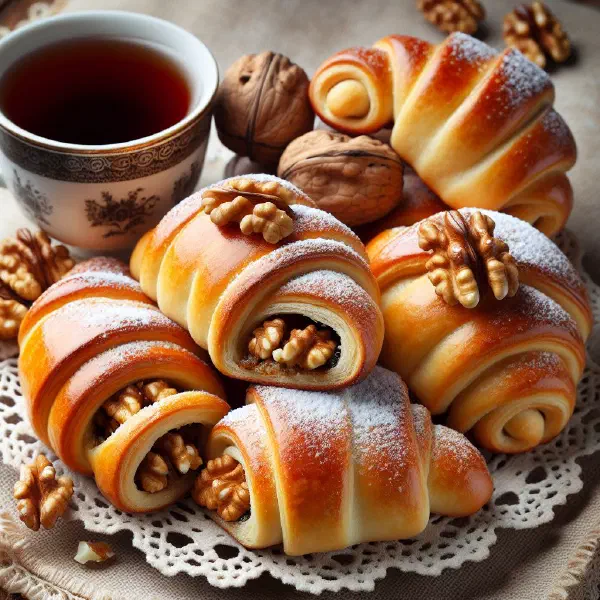
Mucenici Muntenești are easy to adapt to special dietary needs. For a gluten-free version, use gluten-free flour, which is widely available in health-food shops. You may need to adjust the consistency of the dough with a little extra water or a suitable milk alternative. If you would like a lactose-free version, simply use plant-based or lactose-free milk to achieve a similar flavour and texture, much as you would when baking a batch of Cornulețe cu Nucă.
Tips for vegans and vegetarians
For vegan variations of Mucenici Muntenești, you can use plant-based alternatives such as soya or almond milk in place of dairy and eggs. The sugar can be swapped for a vegan sweetener as well. Take care that every ingredient you use is free from animal products, particularly with ready-made items that may contain hidden animal content. With a little creativity, vegans too can enjoy the delicious flavours and traditions of Romanian sweets.
More tips and tricks
When making Mucenici Muntenești, a few pointers can help you get the best result. Take care not to overwork the dough, as this can affect the texture of the mucenici. Give the dough plenty of time to prove; this is key to a light, fluffy finished pastry. You can also experiment by adding different nuts or flavourings to create your own personal touch, in the same spirit as a classic Cozonac.
Adapting the recipe to your taste
Mucenici Muntenești are incredibly versatile and can be adjusted to suit different tastes and preferences. If you have a particular fondness for certain nuts, feel free to work them into the recipe. Some people prefer a less sweet version, in which case you can simply reduce the amount of sugar. You can also play with different spices; instead of cinnamon, try vanilla or cardamom to discover new flavour directions.
Ingredient substitutions
If you do not have certain ingredients to hand, there are always alternatives you can use. In place of sugar, you can add natural sweetness with honey or agave syrup. For a nut-free option, the nut filling can simply be left out or replaced with dried fruit. Gluten-free flour is another good alternative, ideal for anyone with a gluten intolerance, so you can enjoy the story and tradition of the mucenici without a worry.
Drink pairing ideas
A range of drinks pairs beautifully with Mucenici Muntenești and complements the flavour of the pastry. A traditional choice is a strong coffee or an aromatic tea, which balances the sweetness of the mucenici. For a cooler option, consider a fruity smoothie to add a touch of freshness. If you prefer something alcoholic, a glass of Romanian wine or a sweet dessert wine goes wonderfully with this traditional treat.
Serving and presentation ideas
The presentation of Mucenici Muntenești can make a real difference when it comes to pleasing your guests. Serve the mucenici on a decorative plate that highlights the flavours and colours of the dish. Dusted with icing sugar or arranged in a bowl with chopped nuts, the mucenici become even more appealing. You can also add fresh mint or edible flowers as decoration to make the whole experience feel that little bit more special.
A bit of history
Mucenici Muntenești have a long history that is rooted deep in Romanian tradition. They are often prepared as part of festivities and religious ceremonies, especially in honour of the Holy Forty Martyrs. This baking is a way to celebrate faith and to remember the historical roots of Romanian culture. In many families the mucenici are made across generations, which shows just how much cultural meaning and value this special sweet carries within the wider world of Romanian cuisine.
More recipe ideas
Summary: Mucenici Muntenești
In closing, it is fair to say that Mucenici Muntenești are a delicious sweet and the embodiment of a deep cultural heritage. Making and sharing them invites families and friends to celebrate the traditions of Romania together. With their tender textures and sweet flavour, they are a genuine highlight of any celebration. It is well worth passing this tradition on, pleasing not just the palate but the soul as well.