National Dish Russia: Blini (Recipe)

In this article
Discover the variety of Russian cooking with Blini. These thin, golden-brown pancakes are a pleasure whether you serve them sweet or savoury. Light and delicate, they can be folded around a spoonful of soft cheese, draped with smoked fish or simply dusted with sugar and topped with jam. Quick to mix and endlessly adaptable, blini bring a little piece of Russian tradition straight to your own kitchen, ready for any occasion from a lazy breakfast to a festive spread.
About Blini
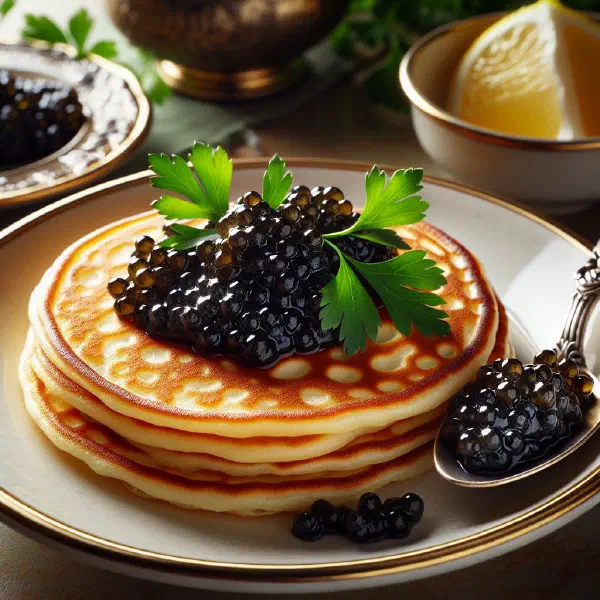
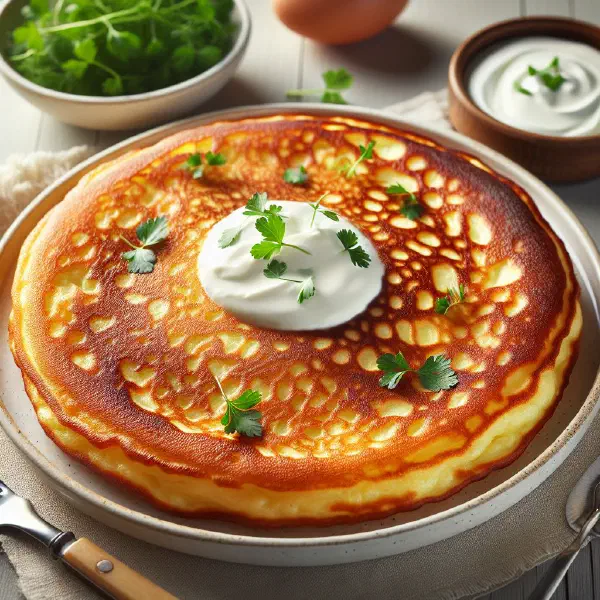
Blini are traditional Russian pancakes, instantly recognisable for their thin, tender texture. They are often served with sour cream, caviar or jam, and they work beautifully both as a sweet treat and as a savoury dish. Their neutral, lightly sweetened batter makes them a wonderfully versatile base: roll them, fold them or stack them, and pair them with whatever filling or topping you fancy. This balance of simplicity and flexibility is exactly why blini have stayed a firm favourite in Russian homes for generations.
Ingredients (serves 1–2)
- 100 g plain flour
- 200 ml milk
- 1 egg
- 1 pinch of salt
- 1 teaspoon sugar
- Butter, for frying
Shopping for the ingredients
Every ingredient for blini is easy to find in any well-stocked supermarket. It is worth reaching for good-quality products, fresh milk, free-range eggs and proper butter, to get the best possible flavour from such a short ingredient list. Since the batter is so simple, the quality of each component really does shine through in the finished pancakes.
Preparing the dish
Get everything ready before you start by measuring out the ingredients and keeping them close to hand. A little preparation makes the cooking process far smoother, letting you pour and flip the batter at a relaxed, steady pace without scrambling for the next item.
Step-by-step instructions
- Put the flour, milk, egg, salt and sugar into a bowl.
- Whisk everything together into a smooth, lump-free batter.
- Heat a frying pan and add a little butter.
- Pour in a small amount of batter and spread it out thinly across the pan.
- Cook the blin until golden brown on both sides.
- Repeat with the remaining batter until all the blini are cooked.
Gluten-free / lactose-free version
Blini are easy to adapt for special diets. For a gluten-free version, swap the plain flour for buckwheat flour, a classic choice that also lends the pancakes a gently nutty, earthy flavour, much like the grain at the heart of Buckwheat Pilaf. To make them lactose-free, replace the milk with a plant-based alternative and fry in a dairy-free margarine. With these simple swaps, everyone at the table can enjoy a plate of warm blini.
Tips for vegans and vegetarians
Blini are naturally vegetarian, and turning them vegan is straightforward. Replace the milk with soya milk or another plant-based milk, and use an egg substitute in place of the egg. The batter behaves much the same way, so you still get those thin, flexible pancakes ready for sweet or savoury fillings. Reach for plant-based toppings such as fruit compote or dairy-free sour cream to keep the whole dish entirely vegan.
More tips and tricks
For the best results, let the batter rest for about 30 minutes before frying. This short pause allows the flour to hydrate fully and gives the blini a noticeably better, more even consistency. A properly rested batter spreads more readily in the pan and produces pancakes that are tender rather than rubbery.
Adapting the recipe to your taste
Blini are wonderfully easy to tailor to your mood. Fold herbs or spices into the batter for a savoury version that pairs perfectly with smoked fish or sour cream. For sweet blini, add a little extra sugar and perhaps a splash of vanilla extract, then serve them with jam, honey or fresh fruit. The same basic recipe happily swings from breakfast treat to elegant starter.
Ingredient substitutions
If you do not have everything to hand, there are plenty of options. Instead of wheat flour you can use spelt flour, while buckwheat flour makes a great gluten-free choice with a distinctive flavour. Plant-based milk stands in neatly for dairy milk, and a neutral oil can replace the butter for frying. These small adjustments let you adapt the recipe to what is in your cupboard or to your dietary needs.
Drink pairing ideas
Blini pair wonderfully with a range of drinks. The savoury versions are classically matched with a glass of chilled vodka or a hot cup of tea, both of which suit dishes such as Blini Mit Kaviar. For the sweeter variations, coffee or a warming cup of cocoa makes a comforting companion. Choose your drink to match whether the pancakes are leaning sweet or savoury.
Serving and presentation ideas
Stack the blini neatly on a plate and garnish them with fresh herbs, fruit or a generous dollop of sour cream. This makes them taste wonderful and turns them into an attractive centrepiece. Small bowls of different toppings let guests build their own combinations, adding both colour and a sense of occasion to the table.
A bit of history
Blini have a long history in Russian cooking and are especially associated with Maslenitsa, the Russian butter week. This celebration marks the end of winter and the beginning of spring, and it is traditionally a time of feasting and joy. Their round, golden shape was once seen as a symbol of the sun, which is why blini remain so central to this springtime festival of Russian cuisine.
More recipe ideas
Summary: Blini
Blini are versatile, delicious pancakes that suit just about any occasion. Thin, tender and quick to make, they can be dressed up with caviar and sour cream or kept simple with berries and honey. Experiment with different fillings and toppings, try both the sweet and the savoury versions, and enjoy this traditional Russian dish however the mood takes you, your kitchen will smell wonderful for it.