National Dish Russia: Buckwheat Kasha (Recipe)
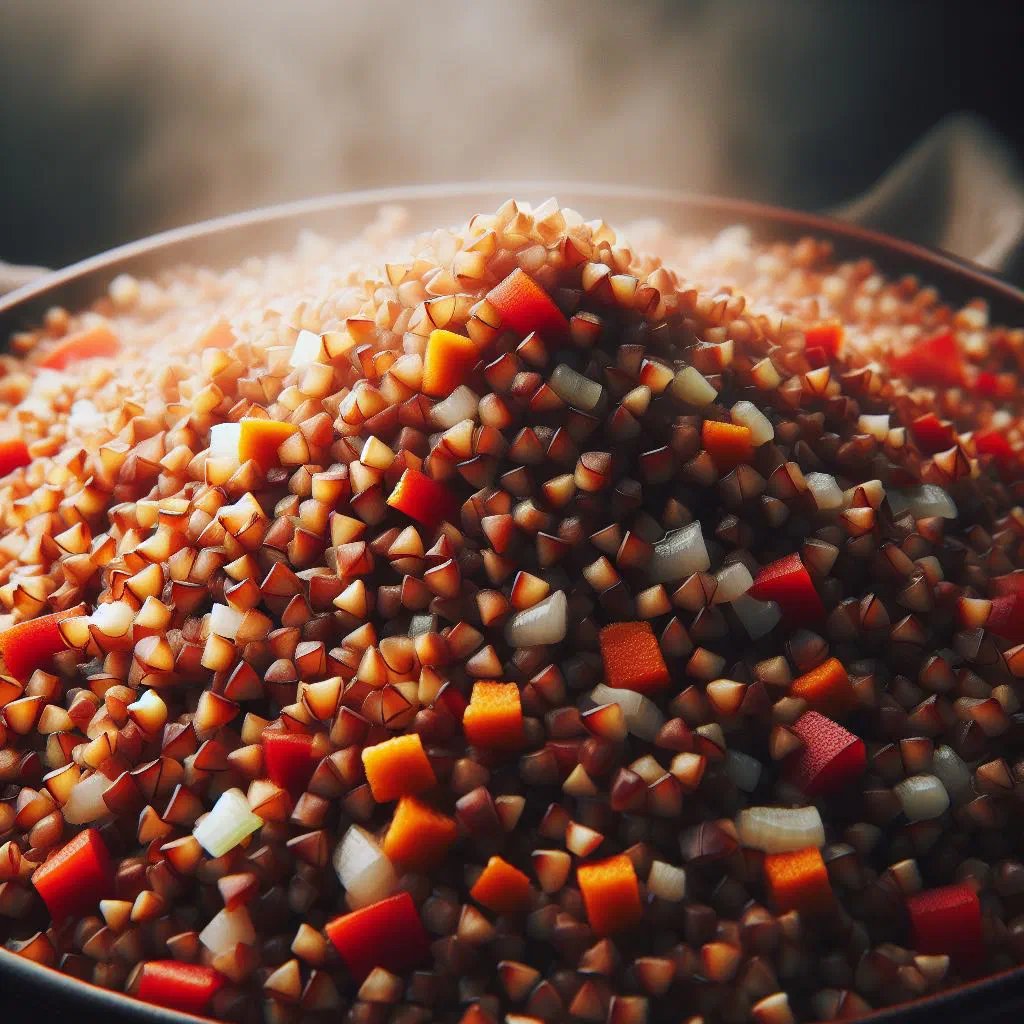
In this article
Meet Buckwheat Kasha, one of the cornerstones of the Russian table. This humble bowl of toasted buckwheat groats is wonderfully nutty, deeply comforting and ready in well under half an hour. It is the kind of nourishing, no-fuss dish that has fed Russian families for generations. Simple, wholesome and endlessly adaptable, it brings a taste of true home cooking to your kitchen.
About Buckwheat Kasha
Buckwheat Kasha, also known simply as buckwheat groats, is a traditional Russian dish loved for its straightforward preparation and its distinctive nutty flavour. It has a long history and is widely regarded as a staple of the Russian kitchen. Beyond being nourishing, it is remarkably versatile, pairing happily with all manner of sides and ingredients. It is a perfect example of hearty home cooking, the sort of food that is as satisfying as it is good for you.
Ingredients (serves 1–2)
- 200 g buckwheat groats
- 500 ml water or vegetable stock
- 1 onion, diced
- 2 tablespoons butter or olive oil
- Salt and pepper to taste
- Fresh herbs (such as dill or parsley), to garnish
Shopping for the ingredients
The ingredients for buckwheat kasha are available in most supermarkets and health-food shops. You will usually find buckwheat groats in the grains or wholefoods aisle. Look for good-quality groats to get the best flavour and the most goodness from the dish. The remaining ingredients are easy to source and useful across countless other recipes.
Preparing the dish
Before you start cooking, gather all your ingredients and dice the onion into small pieces. It is worth rinsing the buckwheat groats to wash away any residue and bring out the best of the flavour. A little careful preparation makes the dish come together more quickly and easily. Don’t be fooled by how simple it is to make, despite its plainness, buckwheat kasha delivers a wonderfully rich taste, much like a comforting bowl of Buckwheat with Milk.
Step-by-step instructions
- Heat the butter or olive oil in a pan and gently fry the diced onion until translucent.
- Add the rinsed buckwheat groats and toast them briefly until lightly coloured.
- Pour in the water or vegetable stock and bring to the boil.
- Reduce the heat, season with salt and pepper, and let the kasha simmer for about 15–20 minutes until all the liquid has been absorbed.
- Garnish with fresh herbs before serving and enjoy.
Gluten-free / lactose-free version
Buckwheat kasha is naturally gluten-free, since buckwheat is not a cereal grain in the conventional sense. That makes it an excellent choice for anyone with a gluten intolerance. For a lactose-free version, simply swap the butter for olive oil or a lactose-free margarine. These small adjustments open the dish up to a wider audience and ensure everyone can enjoy its flavours.
Tips for vegans and vegetarians
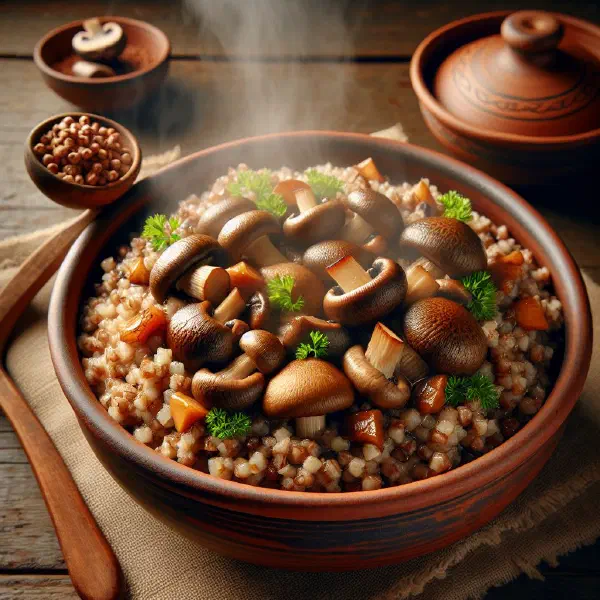
Buckwheat kasha is easy to make vegan by replacing the butter with a plant-based oil. The bowl is delicious and nourishing, supplying the body with valuable nutrients. To layer in extra flavour, stir through some sautéed vegetables or mushrooms, as you would in a bowl of Grechka S Gribami. This makes the dish even more varied and filling. Ideal for vegan and vegetarian diets.
More tips and tricks
To get the very best from your buckwheat kasha, toast the groats a little before cooking. This deepens the nutty flavour and gives the dish a more appealing aroma. Experiment with different seasonings, such as paprika or garlic, to add your own signature touch. The kasha takes on a special character when served with a scattering of roasted nuts or seeds.
Adapting the recipe to your taste
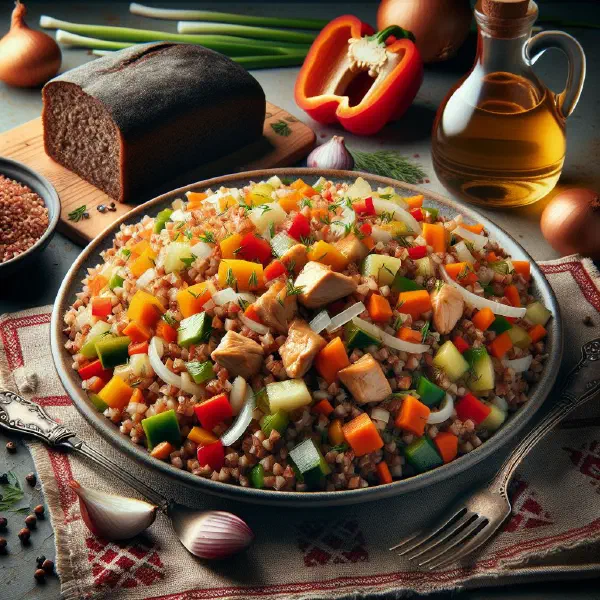
Buckwheat kasha is easy to tailor to personal preference. You might vary it with different vegetables to create new flavour combinations, or add a protein source such as tofu or pulses to turn it into a complete meal. That way you can make sure there is something for everyone at the table.
Ingredient substitutions
Instead of water, you can use vegetable stock to deepen the flavour of your buckwheat kasha. When it comes to fats, try coconut oil or ghee for a different note. You can also swap the onion for other aromatics such as leek or shallots. Substitutions like these let you get creative and shape the dish to suit your loved ones, much as you would when reaching for Buckwheat Pilaf.
Drink pairing ideas
Buckwheat kasha sits well alongside a range of drinks. A freshly brewed herbal tea or a light red wine complements the dish beautifully. A homemade kompot or a fresh vegetable juice also pairs nicely and adds a welcome touch of freshness. These combinations are tasty and lift the overall enjoyment of the meal.
Serving and presentation ideas
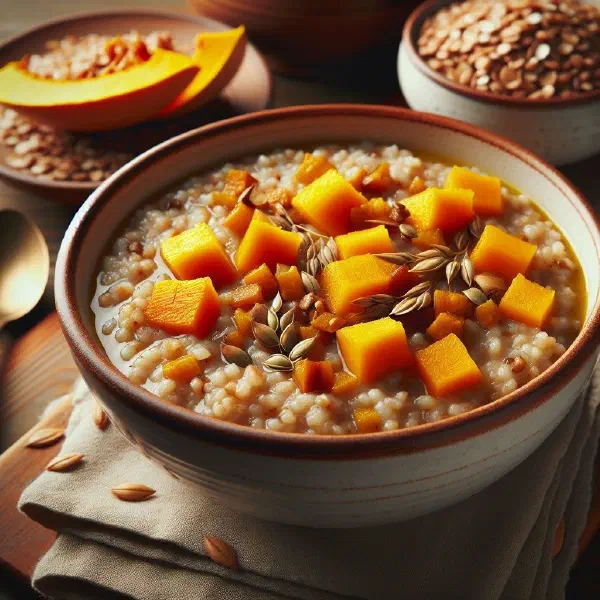
To serve your buckwheat kasha attractively, spoon it into deep bowls and garnish with fresh herbs. A few roasted nuts or seeds on top add both a lovely contrast and an extra bit of crunch. A stylish presentation makes the dish all the more appealing and shows your guests just how much care went into preparing it.
A bit of history
Buckwheat kasha has its origins in Slavic cooking and has been prepared in Russia and across Eastern Europe for centuries. It is considered a classic staple food and was long relied upon by families as a nourishing meal. During the cold months in particular, it proved a valuable source of sustenance. Its preparation has evolved over generations, with countless ingredients and methods added along the way, a living thread of Russian cuisine.
More recipe ideas
Summary: Buckwheat Kasha
Buckwheat kasha is far more than a simple dish; it is a piece of Russian culture and history. With its wholesome ingredients and adaptable preparation, it suits both ordinary weeknights and festive occasions. The many ways to customise it let you shape the dish around your own tastes, while the harmonious balance of flavours always makes for a delicious treat. Give buckwheat kasha a try and discover the unique experience of this traditional comfort food for yourself.