National Dish Russia: Buckwheat Pilaf (Recipe)
In this article
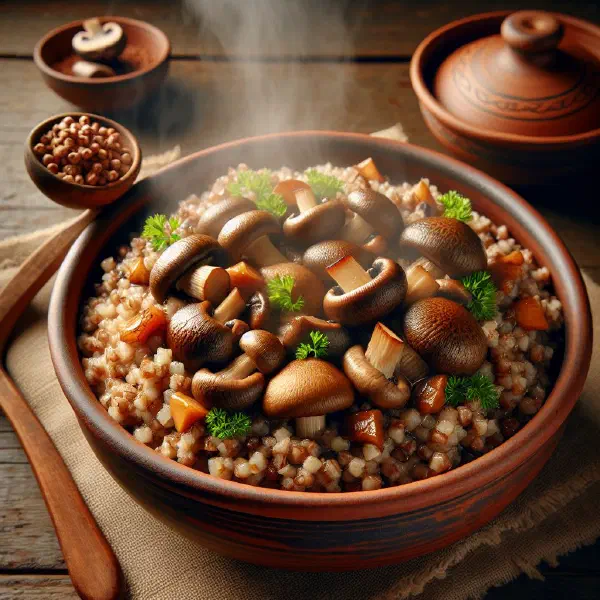
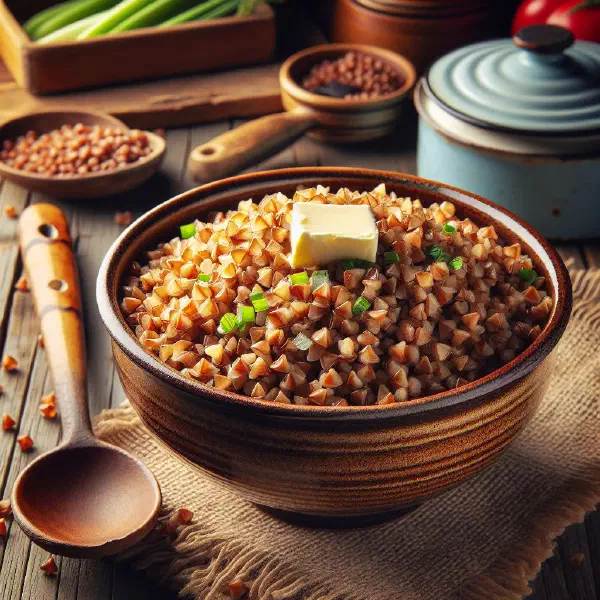
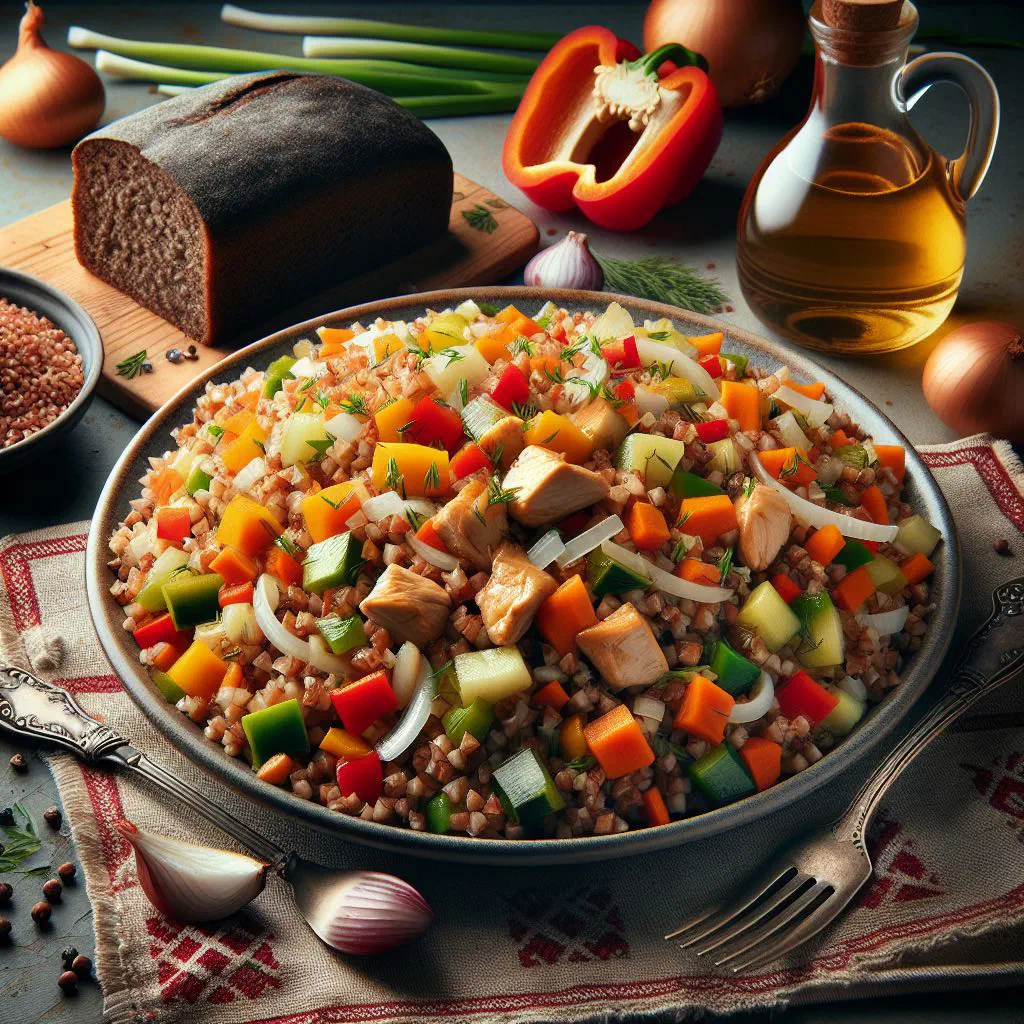
Discover buckwheat pilaf, a wholesome favourite of the Russian table. This nourishing dish brings together the warm, nutty flavour of buckwheat with sweet diced vegetables and a handful of fresh herbs. Simple enough for an everyday supper yet hearty enough to grace a special occasion, it works beautifully as a main course or as a generous side. Bring the comforting tastes of Eastern Europe straight to your own kitchen.
About Buckwheat Pilaf
Buckwheat pilaf is a traditional dish much loved across Russian and Eastern European kitchens. It pairs the distinctive nutty aroma of buckwheat with fresh vegetables and fragrant herbs to create something both satisfying and deeply comforting. Thanks to its nourishing ingredients, the pilaf is more than a filling main course. It also makes an excellent side dish. With its straightforward preparation, it suits everyday meals just as well as festive gatherings.
Ingredients (serves 1–2)
- 200 g buckwheat
- 1 onion
- 1 carrot
- 1 pepper (red or yellow)
- 2 tablespoons vegetable oil
- 2 cups vegetable stock
- Salt and pepper, to taste
- Fresh herbs (such as parsley or dill), to garnish
Shopping for the ingredients
To get the very best from your buckwheat pilaf, choosing fresh, good-quality ingredients makes all the difference. Look for unroasted buckwheat where you can, as it keeps more of its nutrients and carries a deeper, more intense flavour. The vegetables should be fresh and crisp, since this lifts the taste of the finished dish noticeably. Visit a local market or a wholefood shop for top-quality produce, and support your community at the same time.
Preparing the dish
Preparing buckwheat pilaf is simple and takes only a few steps. First, rinse the buckwheat thoroughly to wash away any dust or impurities. Dice the onion, carrot and pepper into small, even pieces so they cook through at the same rate. A little groundwork ensures that every ingredient is ready at the right moment, which makes the whole cooking process far easier.
Step-by-step instructions
- Heat the vegetable oil in a pan and sauté the diced onion for 2–3 minutes until translucent.
- Add the diced carrot and pepper and cook for a further 5 minutes, until the vegetables soften.
- Stir in the drained buckwheat and toast it briefly to intensify the flavours.
- Pour in the vegetable stock, bring to the boil, then reduce the heat.
- Cover and simmer the pilaf for about 15–20 minutes, until the buckwheat is tender and the liquid has been absorbed.
- Season with salt and pepper, and garnish with fresh herbs before serving.
Gluten-free / lactose-free version
Buckwheat pilaf is naturally gluten-free, which makes it a wonderful option for anyone with a gluten intolerance. To keep the dish lactose-free as well, simply use plant-based oils and stocks. Always check the ingredient list on your stock to rule out any hidden sources of lactose. With this small adjustment, the pilaf remains every bit as tasty and suitable for those with specific dietary needs.
Tips for vegans and vegetarians
For vegans and vegetarians, buckwheat pilaf is an excellent choice, as it can be made entirely without animal products. Be sure to use a plant-based vegetable stock to guarantee a fully meat-free result. You can also add extra vegetables such as courgette or aubergine to boost the nutritional value and bring a little variety to the flavour. This makes the dish tasty and nourishing and filling.
More tips and tricks
A few simple tricks can greatly improve the flavour of your buckwheat pilaf. Try lightly roasting the vegetables beforehand to deepen their aromas. Aromatic spices such as cumin or turmeric can be added to lend the pilaf a gentle, exotic touch. A squeeze of lemon at the end brings a fresh lift and rounds the dish off perfectly. Experiment in the kitchen to find your own ideal version.
Adapting the recipe to your taste
The beauty of buckwheat pilaf is how easily it can be tailored to personal preference. Add extra vegetables or pulses to increase the nutritional content, or swap the herbs to create different flavour combinations. By playing with the ingredients, you can craft a dish that reflects your own taste and dietary needs exactly.
Ingredient substitutions
If you are looking for alternatives in your buckwheat pilaf, quinoa or rice both make fine substitutes, with a similar texture and easy availability. Vegetables such as broccoli or cauliflower can stand in for the pepper or carrot, much like the colourful medley that shines in a Vinegret. Be creative in the kitchen and discover which combinations appeal to you most, the possibilities are endless.
Drink pairing ideas
To round off your meal, a range of drinks pairs nicely with buckwheat pilaf. A dry white wine, such as a Sauvignon Blanc, complements the nutty notes of the dish beautifully. If you prefer something alcohol-free, a refreshing sparkling water with lemon or a herbal lemonade works well. An aromatic herbal tea is another lovely way to round off the experience and add an alternative flavour.
Serving and presentation ideas
Presentation can make a real difference to how buckwheat pilaf is enjoyed. Serve the pilaf in colourful bowls or on a large platter to create an inviting display. Garnishes such as fresh herbs or toasted nuts add flavour and enrich the visual appeal. Play with the colours of the vegetables to achieve an appetising, eye-catching result.
A bit of history
Buckwheat pilaf has a long history in Russian cooking. Buckwheat itself is one of the oldest cultivated crops, prized across many cultures for centuries. In Russia it was often relied upon as a simple, nourishing food, especially important in times when resources were scarce. Today it is a beloved traditional dish, widely enjoyed both in family homes and in restaurants, and a fine example of Russian cuisine.
More recipe ideas
Summary: Buckwheat Pilaf
Buckwheat pilaf is a tasty and nourishing dish that captures all the best of Russian cooking in a single recipe. With its simple ingredients and uncomplicated preparation, it is within everyone’s reach. The pilaf can be varied endlessly and adapted to personal taste. Enjoy this warming dish and let the variety of its flavours win you over.