National Dish Russia: Chebureki (Recipe)

In this article
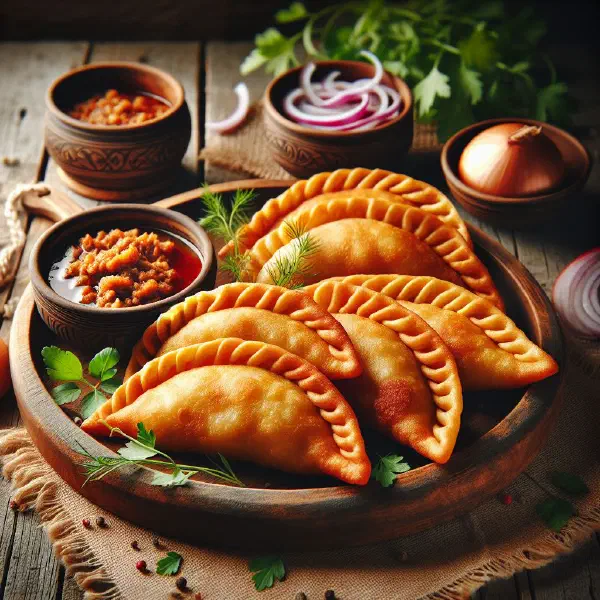
Meet Chebureki, the crisp, golden half-moon pastries that have become a much-loved fixture of Russian street food. Behind their blistered, bubbly shells hides a juicy filling of spiced minced meat and onion, sealed and fried until very crunchy. Originally from the Caucasus, they spread quickly across the country and now turn up everywhere from busy market stalls to family kitchens. Easy to make and endlessly satisfying, they are a treat for any occasion.
About Chebureki
Chebureki are traditional Russian turnovers that hold a special place in Slavic cooking. They are prized for their crisp, crackling exterior and a juicy, well-seasoned filling. Their origins lie in the Caucasus, from where they spread rapidly throughout Russia. Making chebureki is wonderfully straightforward, and the combination of thin dough and savoury filling appeals to guests at festivals and everyday meals alike. Much like a plate of Pelmeni, they are comfort food that brings people together around the table.
Ingredients (serves 1–2)
- 250 g plain flour
- 150 ml water
- 1 tsp salt
- 250 g minced meat (beef or lamb)
- 1 onion, finely diced
- 1 tsp paprika
- Oil, for deep-frying
Shopping for the ingredients
When shopping for chebureki, pay particular attention to the quality of the meat, as it is decisive for the flavour. Fresh minced meat gives the best texture and aroma. It is also worth choosing well-chopped onions to ensure a rich, moist filling. Don’t forget the seasonings. They are what give chebureki their distinctive character. Most of these ingredients are easy to find in any regular supermarket.
Preparing the dish
Good preparation is the key to successful chebureki. First, combine the flour with the salt and water to form a smooth, pliable dough. The dough should then rest for at least 30 minutes so it becomes properly elastic. While it rests, you can get on with the filling, mixing the minced meat together with the onions and spices until evenly combined.
Step-by-step instructions
- Roll the dough out on a floured surface until thin.
- Use a glass or a bowl to cut out round pieces of dough.
- Place a portion of the filling on one half of each round.
- Fold the edges over and press firmly to seal, making sure the filling cannot escape.
- Heat the oil in a pan and deep-fry the chebureki until golden brown.
- Drain on kitchen paper and serve piping hot.
Gluten-free / lactose-free version
For a gluten-free version you can use gluten-free flour to make the dough, while the filling stays exactly the same. A lactose-free option is also easy. Simply rely on plant-based oils or dairy alternatives in the filling if any are needed. This way you can enjoy your chebureki in a gluten-free and lactose-free form without giving up any of their original flavour.
Tips for vegans and vegetarians
Vegan and vegetarian chebureki are every bit as delicious. In place of minced meat, use plant-based mince or even spinach and feta for a tasty filling. Spices such as cumin or coriander add an extra burst of flavour. Feel free to experiment with different vegetables to give the dish your own personal stamp, much as you would with the mushroom version of Vareniki.
More tips and tricks
To get perfect chebureki, the oil temperature during frying is crucial. Oil that is too hot can scorch the outside while leaving the inside raw, so a kitchen thermometer can be a real help. You should also avoid overfilling the pastries, as they then become difficult to seal and the filling may leak out during cooking.
Adapting the recipe to your taste
The filling for chebureki is extremely adaptable. You can use different kinds of meat or even try seafood such as prawns. For a vegetarian or vegan option, combinations with mushrooms and cheese-style alternatives are very popular. Adjust the spices to suit your palate so you can shape the chebureki exactly to your liking.
Ingredient substitutions
If you don’t have fresh onions to hand, shallots or spring onions make a fine substitute and lend a slightly different flavour. For a spicier result, add chilli or garlic. You can also work olives or sun-dried tomatoes into the filling to give it a Mediterranean flair, the same kind of inventive twist you might bring to Pirozhki.
Drink pairing ideas
Chebureki taste wonderful with a glass of homemade lemonade or a refreshing fruit drink. If you are after an alcoholic companion, a lightly chilled beer or a rosé wine also works well. For a truly authentic experience, enjoy your chebureki with a classic Russian kompot (fruit compote drink) on the side.
Serving and presentation ideas
An appealing presentation can lift the whole chebureki experience. Serve them on a nicely arranged platter and garnish with fresh herbs or a cooling yoghurt dip. This brings out the colours and aromas of the dish beautifully. Don’t forget to show off the striking texture of those crisp, blistered pastries too.
A bit of history
Chebureki have a long history and are deeply rooted in the Slavic tradition. They were originally served as a quick street food and remain a popular choice across many regions to this day. The shape and filling vary from region to region and family to family, giving rise to a rich culinary diversity. Their popularity has carried them far beyond Russia’s borders, especially in countries with a large Russian diaspora, where they sit alongside other staples of Russian cuisine.
More recipe ideas
Summary: Chebureki
Chebureki are a culinary pleasure and a piece of history and tradition from Russia. With their crisp dough and aromatic filling, they are perfect for any occasion. Homemade chebureki bring joy and flavour to the table. Explore the possibilities and vary the recipe to suit your own tastes, creating your very own culinary masterpieces.