National Dish Russia: Gretschnewaja Kasha (Recipe)
In this article
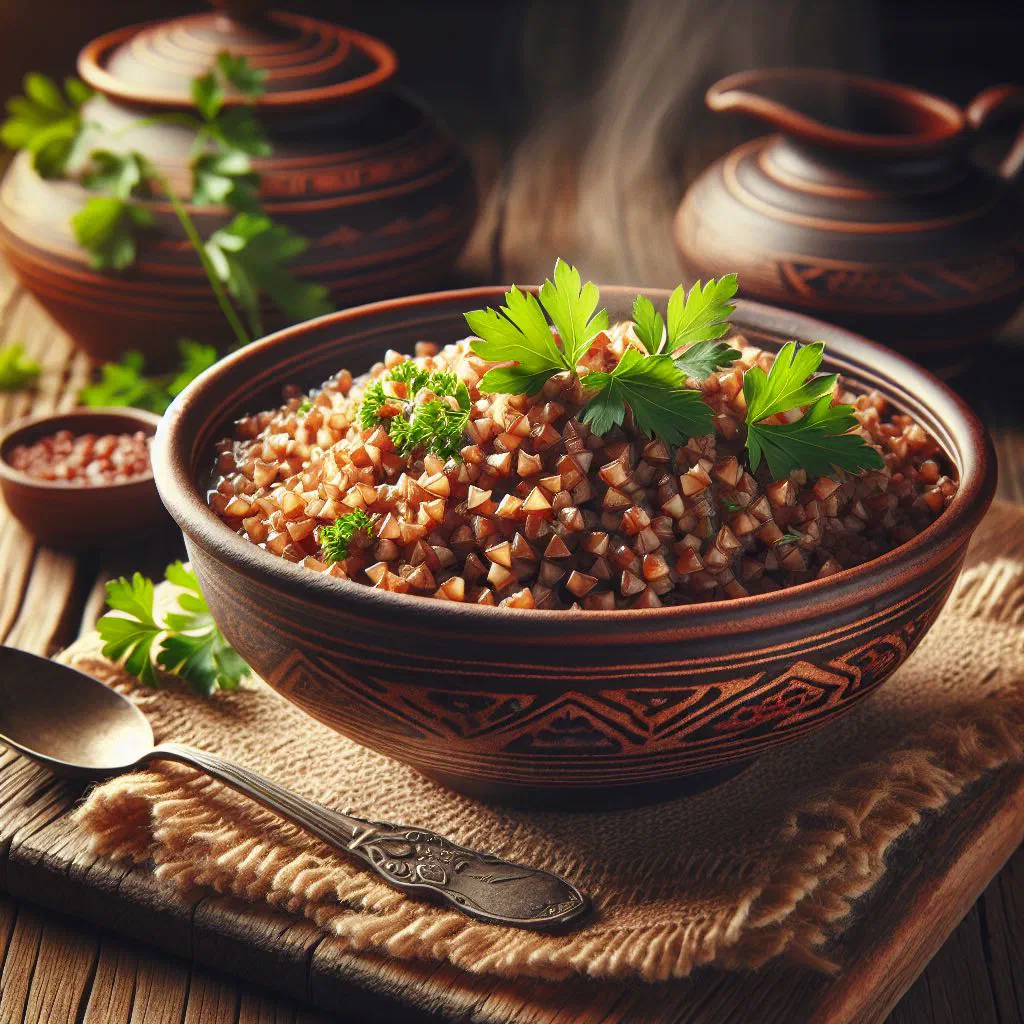
Say hello to Gretschnewaja Kasha, the comforting buckwheat porridge that sits at the very heart of the Russian table. Nutty, wholesome and wonderfully easy to make, it works equally well as a hearty side or a satisfying main. Cooked gently with onion, carrot and a splash of stock, it turns a humble grain into a nourishing meal that has fed Russian families for generations. Bring a little of that rustic warmth into your own kitchen.
About Gretschnewaja Kasha
Gretschnewaja Kasha, also known as buckwheat groats, holds a special place in Russian cuisine. It is wonderfully simple to prepare and prized for its distinctive nutty flavour and its many serving possibilities. It often appears as a side dish, yet it is just as enjoyable as a hearty main course. Its nutrient-rich make-up means it is delicious and a genuinely healthy choice for any meal of the day.
Ingredients (serves 1–2)
- 200 g buckwheat
- 500 ml water or vegetable stock
- 1 small onion
- 1 carrot
- 2 tablespoons oil (sunflower or olive)
- Salt and pepper, to taste
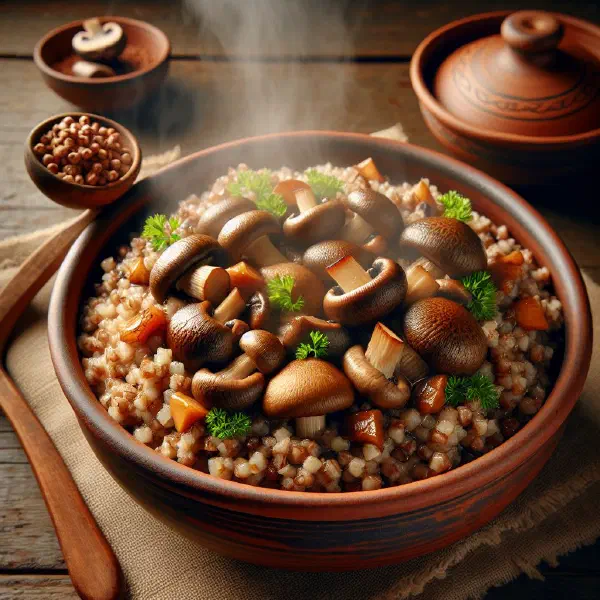
- Optional: 100 g mushrooms or meat of your choice
Shopping for the ingredients
When shopping for the ingredients for Gretschnewaja Kasha, it is worth paying attention to the quality of the buckwheat. You will find it in most supermarkets and health-food shops, often in organic quality too. Fresh vegetables such as onions and carrots should also be a priority on your shopping list. A short trip to a local market can be rewarding as well, letting you track down regional produce and guarantee the freshness of every ingredient.
Preparing the dish
Preparing Gretschnewaja Kasha begins with rinsing the buckwheat carefully to remove any impurities. After that, take the time to chop the vegetables neatly. The onion can be diced, while the carrot is best cut into fine strips. For an extra dimension of flavour you can also prepare mushrooms or meat, both of which pair beautifully with the kasha.
Step-by-step instructions
- Sauté the onions and carrots in a pan with heated oil until lightly golden.
- Add the washed buckwheat and toast it briefly with the vegetables.
- Pour in the water or stock and bring to the boil.
- Season with salt and pepper, then lower the heat.
- Cover and let the dish simmer gently for around 15–20 minutes, until the buckwheat is tender.
- Optional: sauté the mushrooms or meat separately in the meantime and stir them in at the end.
Gluten-free / lactose-free version
Gretschnewaja Kasha is naturally gluten-free, since buckwheat is not a true wheat. For a lactose-free version, simply use plant milk or water in place of stock made with dairy. Take care to choose all the other ingredients lactose-free as well. The result is a healthy, tasty dish that everyone at the table can enjoy without compromise.
Tips for vegans and vegetarians
Vegetarians and vegans can enjoy Gretschnewaja Kasha with ease by using a vegetable stock and bulking the dish out with extra vegetables. A few popular choices: courgette, peppers or spinach add aroma and nutrients. A scattering of nuts as a topping gives the dish a lovely crunch, much like the textures you find in a Buckwheat Pilaf. Finally, herbs such as parsley or dill bring an extra layer of flavour.
More tips and tricks
To get the very best from Gretschnewaja Kasha, consider cooking it in a rice cooker. This ensures even heat and a perfectly judged cooking time. Make sure you use the right amount of liquid to avoid any scorching. Experiment with different spices, such as paprika or caraway, to vary the dish to your own taste, small tweaks that work well across the wider world of Russian cuisine.
Adapting the recipe to your taste
The wonderful thing about Gretschnewaja Kasha is just how versatile the recipe is. You can adjust the vegetables to suit the season or your preferences. Instead of carrots, for example, you might use peas or broccoli. Different oils, such as sesame oil, can also lend the dish a unique character. Be bold, get creative, and discover your own favourite variation.
Ingredient substitutions
If some ingredients are not to hand, you can reach for various alternatives without losing the spirit of Gretschnewaja Kasha. Quinoa or millet make excellent substitutes for buckwheat and offer similar nutrients, millet shines in a Baked Millet Porridge. When it comes to vegetables, frozen produce works just as well and is every bit as tasty. That keeps the dish accessible and easy to recreate, wherever you happen to be.
Drink pairing ideas
A hearty dish like Gretschnewaja Kasha pairs nicely with a well-chosen drink. A mild white wine or a fruity fruit juice can complement the flavours beautifully. For an alcohol-free option, herbal teas or sparkling water with slices of lemon are wonderfully refreshing. These drinks bring a harmonious finish to your meal.
Serving and presentation ideas
Presentation plays a big part in serving Gretschnewaja Kasha. The dish is best served in a deep bowl and garnished with fresh herbs. A squeeze of lemon juice or a few nuts scattered on top add eye-catching highlights. Using colourful vegetables not just for flavour but also for their looks can genuinely impress your guests.
A bit of history
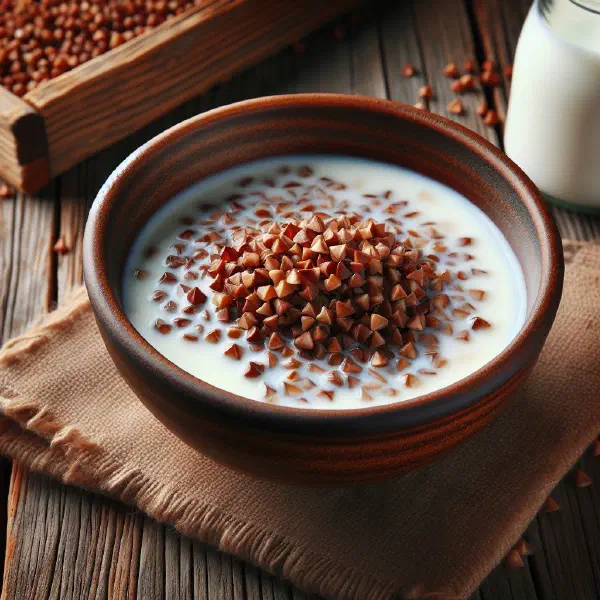
Gretschnewaja Kasha has a long tradition in Russian cooking. Buckwheat was an essential staple, widely grown across many regions of Russia. Its cultivation story reaches all the way back to ancient China and is bound up with countless tales of farming families. This kasha is a classic example of simple yet nourishing fare that has endured through the generations, much like the time-honoured Buchweizen Mit Milch.
More recipe ideas
Summary: Gretschnewaja Kasha
In short, Gretschnewaja Kasha, the traditional buckwheat groats, is a delicious and nourishing dish that suits any occasion perfectly. Its simple preparation, its versatility with ingredients and its hearty flavours make it a must in any kitchen. Whether as a side or a main course, with the right tweaks and variations this dish will win over the hearts of your family and friends. Let Russian cuisine inspire you and enjoy your Gretschnewaja Kasha.