National Dish Russia: Kisel with Berries (Recipe)
In this article
Meet Kisel, a fruity, pudding-like sweet that has been cheering up Russian tables for generations. Made with little more than fresh berries, sugar and a spoonful of starch, it sets to a glossy, spoonable consistency and glows in vivid shades of red and purple. Kisel brings a genuine taste of Russian culture to your table with almost no fuss at all.
About Kisel with Berries
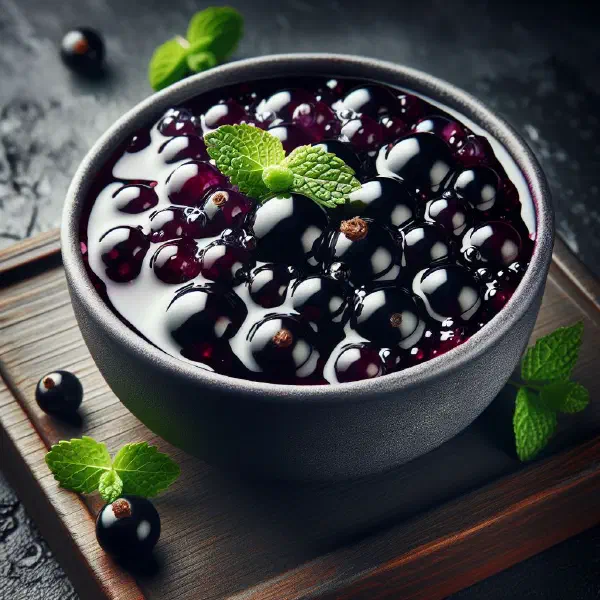
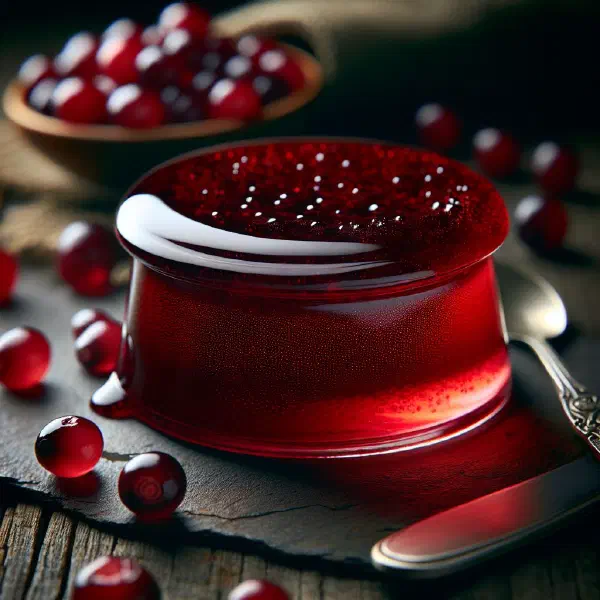
Kisel is a traditional Russian dessert loved for its fresh, fruity character. The simple combination of fresh berries, sugar and starch turns a handful of everyday ingredients into something genuinely special. It has a thick, pudding-like texture and appeals to the palate with its deep sweetness and bright colour. Served warm or chilled, kisel is the kind of unpretentious sweet that feels at home both on a weekday and at a celebration, carrying centuries of tradition in every spoonful.
Ingredients (serves 1–2)
- 200 g fresh berries (raspberries, strawberries or lingonberries)
- 50 g sugar (adjust to taste)
- 40 g cornflour (cornstarch)
- 500 ml water
- A squeeze of lemon juice (optional)
Shopping for the ingredients
The ingredients for kisel are easy to find in most supermarkets. Try to choose fresh berries, as they give the dessert its unmistakable flavour and colour. Where you can, visit a local market for the ripest, most fragrant fruit of the season. It is also worth reaching for organic produce where possible, so you can be confident your berries are free from unwanted pesticides.
Preparing the dish
Begin by preparing the berries: wash them thoroughly and, if you like, crush them lightly to release their juices and aromas. Combine the berries with the water and sugar in a saucepan and let the mixture come to a gentle simmer so the flavours can develop. While that happens, stir the cornflour into a little cold water until smooth, which keeps the finished kisel free of lumps.
Step-by-step instructions
- Bring the berries, water and sugar to the boil together in a saucepan.
- Lower the heat and let the berries simmer for about 5–10 minutes.
- Slowly stir the slaked cornflour into the berry mixture.
- Cook for a further 2–3 minutes, stirring constantly, until it thickens.
- Optionally, season with a squeeze of lemon juice and let it cool for a few minutes.
- Spoon the kisel into bowls and chill in the fridge for at least 1 hour.
Gluten-free / lactose-free version
One of the great things about kisel is that it is naturally gluten-free, since it relies on starch rather than flour for its thickening. The remaining ingredients are usually lactose-free too, which makes it a brilliant choice for anyone with intolerances. Simply avoid adding any dairy if you want to keep it free of lactose, and you can enjoy this dessert with complete peace of mind.
Tips for vegans and vegetarians
Kisel is naturally vegan, as it contains no animal products whatsoever. For even more depth of flavour, try sweetening it with plant-based sweeteners such as agave syrup or coconut sugar, a lovely way to dial back the refined sugar without losing the sweetness. Feel free to experiment with different berries or even tropical fruit to create your own variations, much as you might with a glass of fruity Mors.
More tips and tricks
For a perfect kisel, make sure the starch is well stirred in to avoid any lumps. Keep the mixture moving constantly as you add the cornflour so it spreads evenly throughout. Give it plenty of time to set in the fridge so the texture firms up properly. If you prefer a creamier result, a splash of plant-based cream stirred in at the end works beautifully.
Adapting the recipe to your taste
The basic kisel recipe is easy to adjust to your own preferences. If you like a more intense fruit flavour, increase the quantity of berries or stir in a little fruit purée. To make it even more colourful, combine several different kinds of berry. The sweetness, too, can be dialled up or down to taste, which keeps the recipe wonderfully flexible and personal, the same easy-going spirit you find across Russian cuisine.
Ingredient substitutions
If you do not have fresh berries to hand, frozen fruit works just as well and gives the kisel every bit as much flavour and colour. Another option is to use fruit juice or fruit purée as the base, which is especially handy when berry prices climb out of season. Fruit-forward sweets like Pastila show just how far a little clever substitution can take you.
Drink pairing ideas
A refreshing dessert like kisel pairs nicely with drinks that echo its fruitiness. A light, sparkling mineral water or a fruity iced tea both make excellent companions. If you fancy something a little more special, try a fruit-based cocktail or a tailored smoothie to round off the experience. A glass of cooling Kompot is another classic Russian way to finish the meal.
Serving and presentation ideas
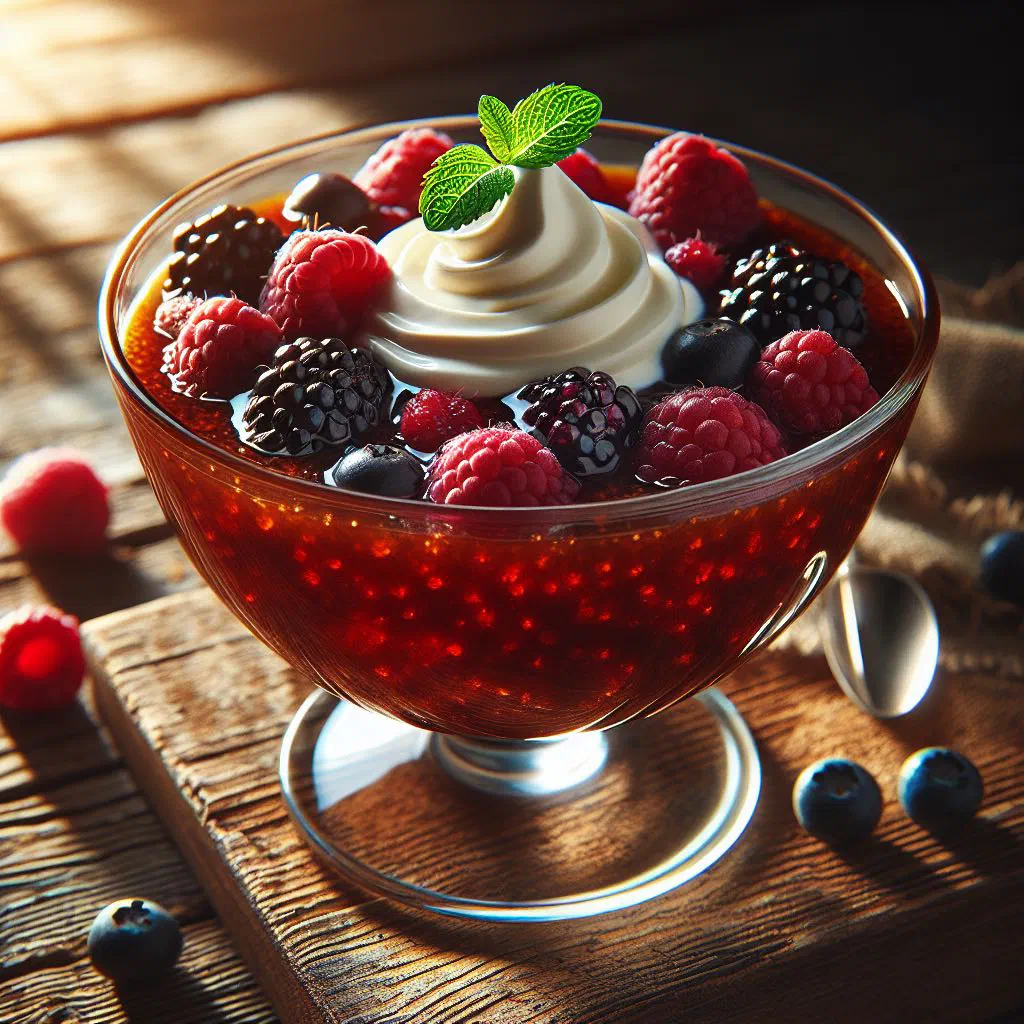
You can lift the look of your kisel with a few simple touches. Serve it in pretty dessert bowls or glasses that contrast with the dessert’s vivid colour for a striking visual effect. Decorate with fresh berries and a small sprig of mint to add a little extra elegance and underline the flavour. For a celebratory spread, set it alongside a slice of Medovik.
A bit of history
Kisel has deep roots in Russian culture and has been prepared as a nourishing, filling dessert for centuries. It was originally made from various grains before the recipe shifted over time towards fruit-based versions like this one. Today kisel is enjoyed in countless variations across Russia and neighbouring countries, which makes it a meaningful part of Russian cuisine and a close cousin of the simpler Kisel.
More recipe ideas
Summary: Kisel with Berries
Kisel is a simple and versatile dessert that appeals to with fresh berries and a pleasant sweetness. It is easy to prepare and calls for only a handful of ingredients. Whether for a special occasion or simply as a refreshment on a warm day, kisel brings the flavour of Russian tradition straight to your table. Experiment with different fruits and variations to create your very own version of this delicious sweet.