National Dish Russia: Kurnik (Recipe)
In this article
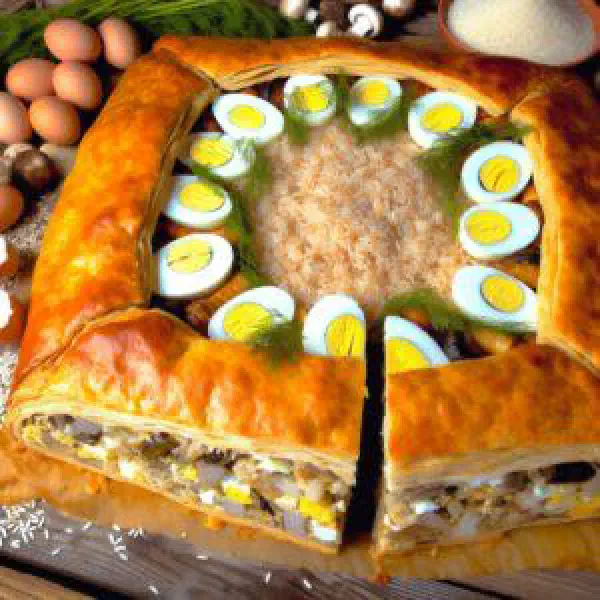
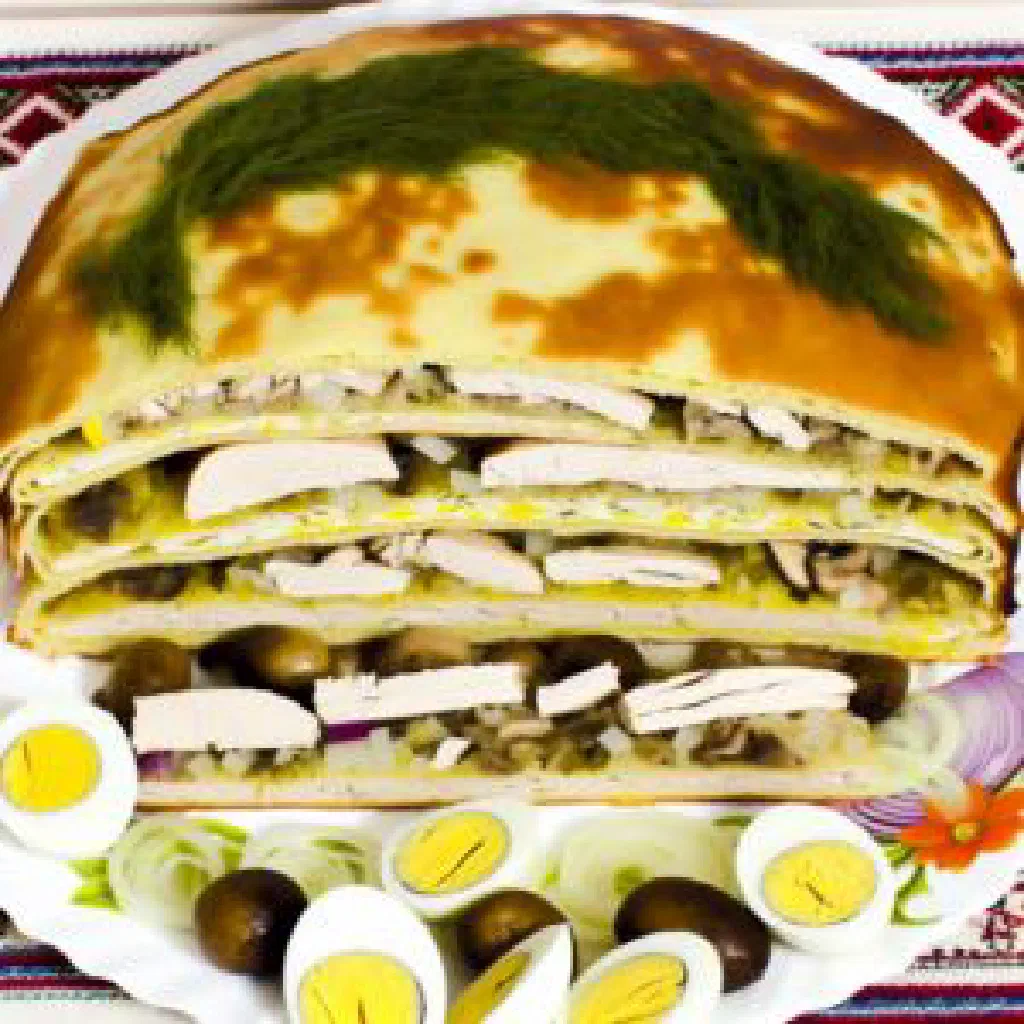
Discover Kurnik, a hearty Russian pie that has graced festive tables for generations. This golden, filled pastry brings together tender chicken, fluffy rice and fragrant herbs in a rich, satisfying parcel. Long regarded as a symbol of plenty, it was once the centrepiece of weddings and special celebrations. With its warm aromas and comforting filling, Kurnik carries the spirit of the Russian countryside straight into your own kitchen.
About Kurnik
Kurnik is a traditional Russian dish with deep roots in rural country cooking. It is a delicious filled pastry, often prepared with a wide variety of ingredients depending on what is to hand. Originally, Kurnik was a symbol of wealth and was frequently served at weddings and festive occasions. Its name comes from the Russian word kura, meaning chicken, a nod to the most common filling for this much-loved pie. The result is a hearty, generous dish that turns any gathering into something memorable.
Ingredients (serves 1–2)
- 250 g flour
- 125 ml water
- 50 g butter or margarine
- 1 egg
- 200 g chicken (cooked and shredded)
- 100 g rice (cooked)
- 1 onion, finely chopped
- Salt and pepper, to taste
- Fresh herbs (such as dill or parsley)
Shopping for the ingredients
When shopping for Kurnik, it is worth paying attention to quality, especially when it comes to fresh chicken and vegetables. Flour and rice are everyday staples that are available in any supermarket and keep well in the cupboard. Fresh herbs give the dish its distinctive aroma, so it is best to buy them fresh or pick them from your own garden. If you follow a special diet, there are usually plenty of alternatives you can use without difficulty.
Preparing the dish
Good planning makes all the difference when preparing Kurnik. Start by cooking the chicken so that it becomes tender and full of flavour. While the meat cools, you can prepare the dough: mix the flour with the water, butter and egg to form a smooth, pliable pastry, then leave it to rest. As you put the filling together, gently fry the onions to bring out their sweetness and add extra depth of flavour.
Step-by-step instructions
- Knead the dough from flour, water, butter and egg, then leave it to rest for 30 minutes.
- Cut the chicken into small pieces and combine it with the cooked rice and the onions.
- Season the mixture with herbs, salt and pepper to taste.
- Roll out the dough on a floured surface and lay it into a greased baking tin.
- Spread the herb and meat filling evenly across the pastry base.
- Fold the dough over the filling and seal it well.
- Bake at 180°C for 35–40 minutes, until the Kurnik is golden brown.
Gluten-free / lactose-free version
You can easily make Kurnik gluten-free by using gluten-free flours such as rice or buckwheat flour. Take care that all the other ingredients, including any spices and stocks, are gluten-free too. For a lactose-free version, simply swap the butter for a plant-based margarine. These small adjustments mean that people with particular dietary needs can still enjoy this traditional dish to the full.
Tips for vegans and vegetarians
Vegans and vegetarians can adapt Kurnik with ease by replacing the chicken with a combination of vegetables and pulses such as lentils or beans. This gives a wonderful texture and makes the filling rich in nutrients. A mix of vegetables, carrots, peppers and courgettes, for example, adds plenty of flavour. As always, fold in fresh herbs to intensify the taste, much as you would for a vegetable-filled batch of Pirozhki.
More tips and tricks
One important tip when making Kurnik is not to roll the dough too thinly, as it needs to hold the filling securely. You can also experiment by combining different fillings or adding new spices. Another useful trick is to brush an egg wash over the pastry before it goes into the oven, which gives a glossy, golden finish. This makes for an attractive presentation and lifts the whole dish visually.
Adapting the recipe to your taste
The flexibility of Kurnik means you can adjust the recipe to suit your own preferences with ease. Fancy more vegetables? Simply add extra. Have a soft spot for particular spices? Experiment with different herbs and seasonings to find your own signature flavour. The size and shape of the pie can be varied too, so you can make it as small individual portions or as one large, generous main course.
Ingredient substitutions
Sometimes you won’t have every ingredient to hand when you want to make Kurnik. A good alternative to chicken could be turkey or even smoked tofu, which lends the dish a distinctive flavour. If you would rather not use rice, you could try quinoa or bulgur instead. These swaps bring different textures and tastes to the filling, in the same versatile spirit as the dough parcels you find in Vareniki.
Drink pairing ideas
To round out the flavours of Kurnik, light and refreshing drinks work best. A crisp, dry white wine pairs beautifully with the savoury filling. For an alcohol-free option, choose a mix of sparkling water and lemon, or a fruity juice. These drinks lift the aromas of the dish and bring the whole meal together.
Serving and presentation ideas
Presentation can make all the difference to the overall impression of Kurnik. Serving it on a rustic wooden board, surrounded by fresh herbs or a colourful side salad, gives the dish an inviting look. You can also slice the Kurnik and arrange it on a nicely decorated plate, garnished with fresh herbs. Touches like these heighten both the anticipation and the enjoyment of your meal.
A bit of history
Kurnik has a long history in Russian cuisine and was traditionally served on festive occasions. Originally the dish was a symbol of prosperity, passed down from one generation to the next. These filled pastries were often packed with different ingredients depending on the region and the foods available. Kurnik reflects the Russian sense of tradition and the importance of family and community gathered around the table, a heritage it shares with grander baked pies such as Kulebyaka.
More recipe ideas
Summary: Kurnik
In short, Kurnik is a tasty and versatile dish that has a place in both traditional and modern kitchens. It offers the chance to be creative and to combine different ingredients to suit your own preferences. Whether for festive occasions or a cosy family meal, Kurnik brings the authentic flavour of Russia straight to your table. Let yourself be inspired by its rich aromas and varied filling, and enjoy this delicious example of Russian cuisine.