National Dish Russia: Kvas (Recipe)
In this article
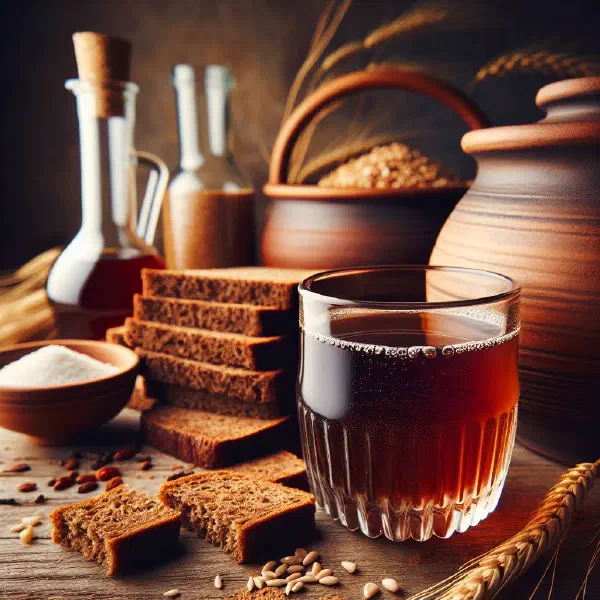
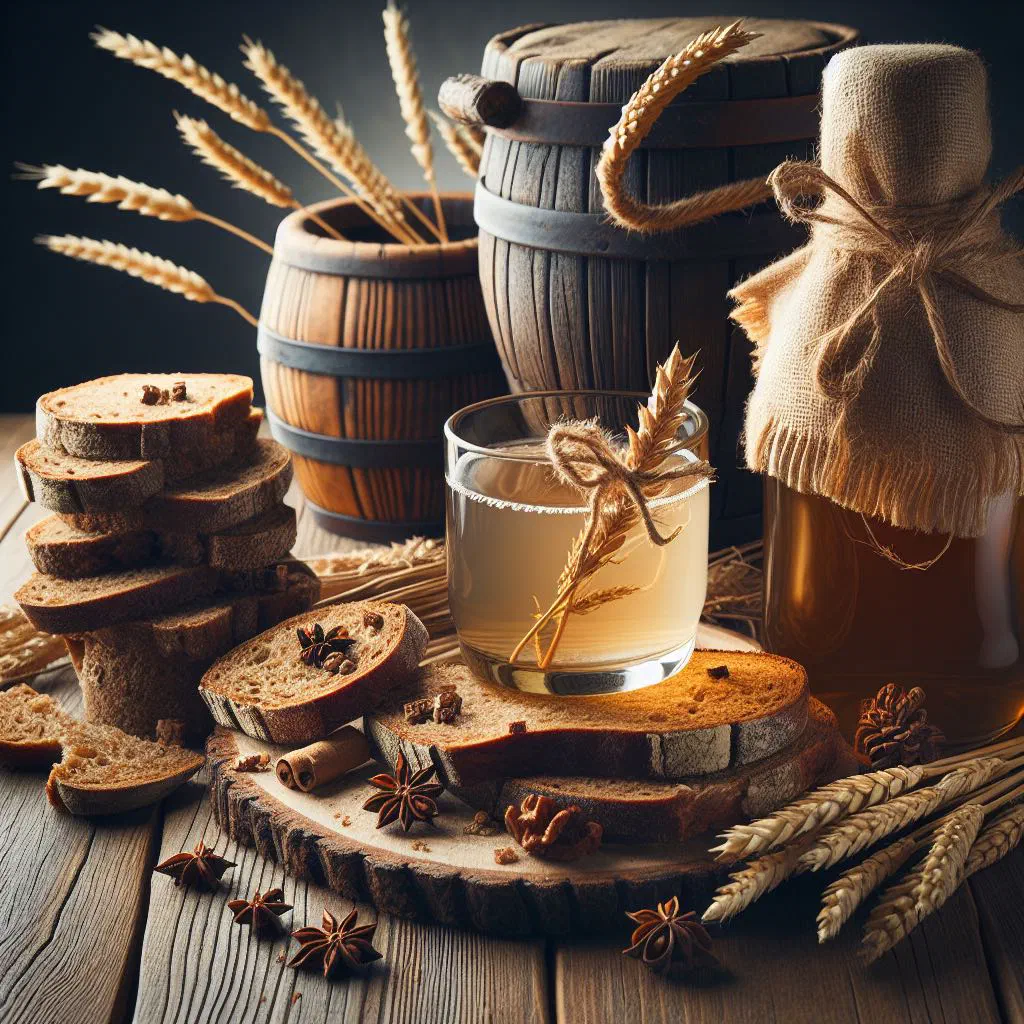
Meet Kvas, the traditional Russian thirst-quencher with a gentle, tangy fizz all its own. Brewed from fermented rye bread, water and a touch of sugar, this lightly sparkling drink has refreshed households for centuries, especially when the summer heat sets in. Mildly sour, faintly sweet and barely alcoholic, it makes a wonderful companion to hearty food, and brewing a batch at home is far easier than you might expect.
About Kvas
Kvas is a traditional Russian drink celebrated for its distinctive, slightly sour taste. Made from fermented bread, water and sugar, it offers a refreshing quality that is ideal for warm weather. In Russia, kvas is often enjoyed as an accompanying drink to hearty dishes, which has made it a firm fixture of the country’s culinary culture. Its mildly alcoholic character makes it a popular choice for anyone after a thirst-quenching refreshment.
Ingredients (serves 1–2)
- 500 ml water
- 100 g rye bread (dry or fresh)
- 70 g sugar
- 10 g dried yeast
- A pinch of salt
Shopping for the ingredients
The ingredients for kvas are available in most supermarkets or specialist food shops. Be sure to choose fresh rye bread, as this has a considerable influence on the flavour of the drink. It is wise to pick unsweetened and unflavoured bread to preserve the original taste. Dried yeast and sugar are often sold in larger packs, which lets you prepare several batches at once.
Preparing the dish
Getting ready to make kvas is simple and calls for just a few basic steps. Begin by cutting or tearing the rye bread into small pieces to make the fermentation process easier. The water should be filtered or boiled to avoid any impurities. Make sure, too, that you work in a warm spot, as this encourages the fermentation and brings out the characteristic flavour of kvas.
Step-by-step instructions
- Pour the water into a large container and add the rye bread.
- Add the sugar and salt and stir everything well.
- Sprinkle in the dried yeast and stir well again.
- Cover the container with a cloth and leave at room temperature for about 24 hours.
- After fermenting, the drink should be sparkling and slightly cloudy; strain it and pour into bottles.
- Keep refrigerated and enjoy within a week.
Gluten-free / lactose-free version
For a gluten-free version of kvas, you can use gluten-free bread that tastes similar to rye bread. It is important to check the ingredient list to make sure no gluten-containing components are present. The preparation stays the same, and the fermentation process produces a similarly refreshing flavour. As for a lactose-free version, kvas is already naturally lactose-free, since no dairy products are used.
Tips for vegans and vegetarians
Kvas is naturally vegan and vegetarian, as its main components are plant-based. If you have particular preferences or health concerns, you can also replace the sugar with plant-based sweeteners. Agave syrup, for example, lends kvas a more complex sweetness. Be sure to check the bread ingredients as well, to confirm they contain no animal products.
More tips and tricks
To vary the flavour of kvas, you can add fresh fruit or herbs during fermentation. Mint, for instance, pairs beautifully with kvas during the summer months. For an even more refreshing drink, a little lemon juice can be added to create an extra tangy note. Experiment with different ingredients to create your own unique take on kvas.
Adapting the recipe to your taste
The kvas recipe is easy to adapt to personal preference. If you prefer a sweeter version, you can increase the amount of sugar or try different sweeteners. The choice of bread also plays a decisive role in the taste; you can use a combination of different breads for an interesting aroma. The fermentation time is flexible too, and can be lengthened or shortened to suit your taste.
Ingredient substitutions
If rye bread is not available, you can use other breads such as wheat bread or even a homemade loaf. When it comes to the yeast, you can swap dried yeast for fresh yeast, though bear in mind this may lengthen the fermentation time. For those who are gluten-free, there are also special gluten-free bread varieties worth trying. A heartier rye base also forms the backbone of Roggenbrot Tschernuschka.
Drink pairing ideas
Kvas works wonderfully as a refreshing drink alongside many Russian dishes, especially with Zavarnyje Bliny or savoury snacks whose flavours complement its tang. For an exquisite summer pairing, kvas can also be served with grilled vegetables or grilled meat. The drink is an original choice for sociable gatherings and picnics, and slots neatly into the wider world of Russian cuisine.
Serving and presentation ideas
To present kvas attractively, you can serve it in glass jugs or decorative bottles. Add a few freshly picked mint leaves or lemon slices to create a fresh look. Decorating with fruit such as raspberries or strawberries also provides an appealing splash of colour. Serve kvas well chilled for a refreshing drinking experience on hot days.
A bit of history
Kvas has very deep roots in Russian culture and history. It has been valued as a refreshing drink for centuries, particularly in rural areas. Traditionally, kvas was made by housewives and often refined with treasured family recipes. The fermentation process makes the drink refreshing and nourishing.
More recipe ideas
Summary: Kvas
In short, kvas is a refreshing and distinctive drink that wins fans through its simple preparation and its endless variations. Kvas remains a cherished part of Russian food culture. Thanks to the recipe’s adaptability, both individual tastes and dietary needs can easily be accommodated. Discover the art of making kvas and enjoy this delicious drink from the Russian tradition.