National Dish Russia: Paskha (Recipe)
In this article
Discover Paskha, the festive jewel of the Russian Easter table. This rich, creamy dessert is built around fresh quark, sweet butter and a scattering of dried fruit, then pressed into its signature pyramid shape. Fragrant with rosewater, almonds and a whisper of citrus, it marks the joyful end of the Lenten fast. Bring a little Slavic celebration into your own kitchen with this elegant, no-bake treat.
About Paskha
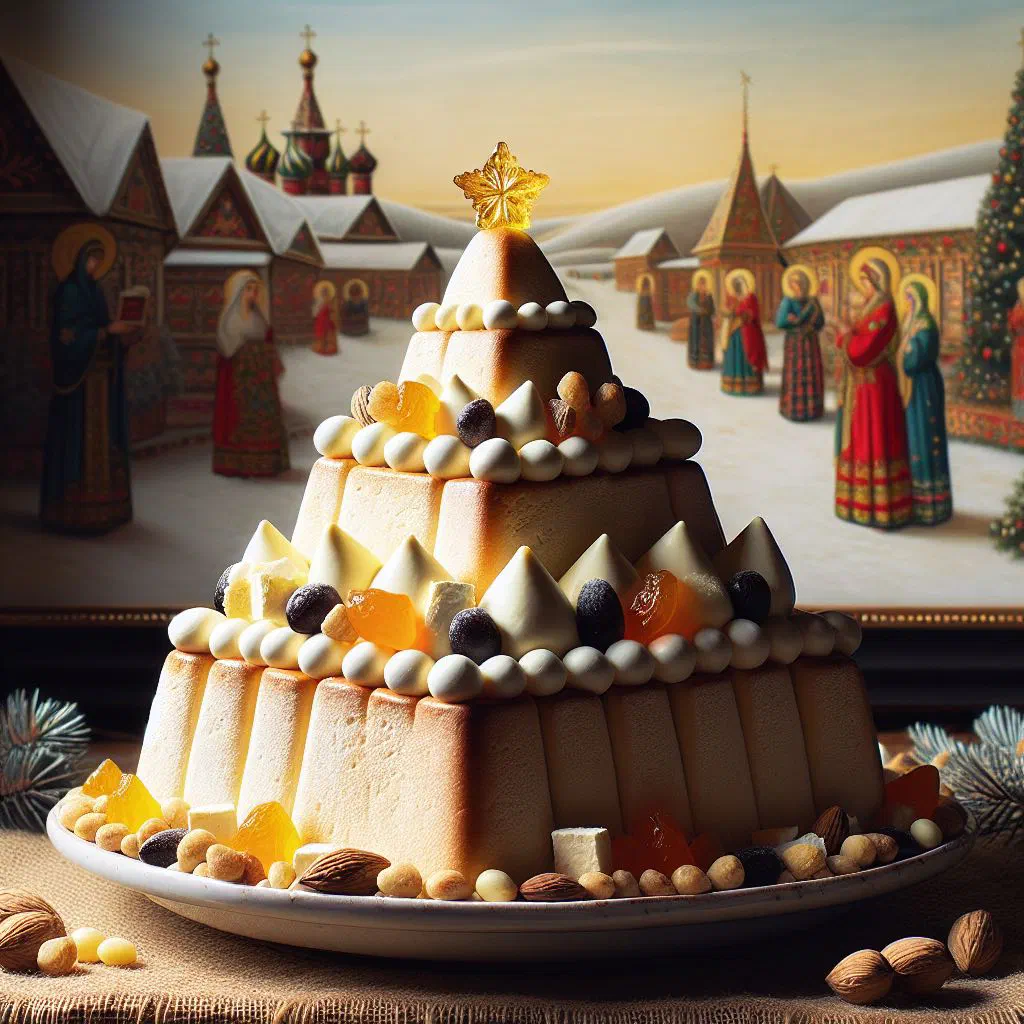
Paskha is a traditional Russian dessert served above all on special occasions such as Easter. It is a light, creamy mixture made from quark and a careful blend of aromas. The shape and decoration matter just as much as the flavour: paskha is usually moulded into a pyramid, a form that symbolises hope and new life. Ingredients such as rosewater, currants and almonds give the dessert its distinctive character and turn it into a genuine feast for the senses.
Ingredients (serves 1–2)
- 250 g quark (or ricotta)
- 100 g butter, softened
- 100 g sugar
- 2 eggs
- 50 ml cream
- 50 g raisins
- 2 tablespoons almonds, chopped
- 1 teaspoon vanilla extract
- 1 teaspoon lemon zest, grated
- 1 teaspoon rosewater (optional)
Shopping for the ingredients
The ingredients for paskha are easy to track down. Quark can be bought in most supermarkets or at a health-food shop. Butter, sugar and cream are everyday staples you probably already have at home. Special touches such as rosewater or chopped almonds are often found in an Asian grocery or a well-stocked supermarket, and they can usually be ordered online too.
Preparing the dish
Getting paskha ready is wonderfully straightforward. Begin by laying out all the ingredients and bringing them to room temperature, especially the butter. Soak the raisins in a little warm water so they plump up and turn juicy. It is also worth toasting the almonds beforehand to deepen their aroma and lend the dessert a gentle nutty warmth.
Step-by-step instructions
- Beat the butter and sugar together in a bowl until pale and creamy.
- Add the eggs one at a time, mixing well after each addition.
- Stir in the quark, cream, vanilla extract and lemon zest.
- Fold in the raisins and almonds until evenly combined.
- Spoon the mixture into a paskha mould or a sieve and press it down firmly.
- Place the mould in the fridge and chill for at least 6 hours, ideally overnight.
- Carefully turn the paskha out of the mould and decorate as you like.
Gluten-free / lactose-free version
Paskha is naturally gluten-free, as it contains no flour at all. For a lactose-free version, swap the quark for a lactose-free quark or soya quark, and be sure to use lactose-free butter and cream as well. With these simple changes, anyone avoiding gluten or lactose can still enjoy this good dessert without missing out.
Tips for vegans and vegetarians
For a vegan version, replace the quark with a soya-based alternative and the eggs with apple purée or soaked flaxseed. Use vegan margarine in place of butter and a plant-based cream for that signature richness. Choose your ingredients with care to keep all the flavours and textures intact. Done well, even vegans can savour paskha and share in the festive joy.
More tips and tricks
To get the best from your paskha, measure and assemble the ingredients in advance so everything comes together smoothly. Chilling the dessert in the fridge overnight lets the flavours fully develop and the texture set. You can also decorate it with fresh fruit or chocolate for extra layers of taste. Experiment with the fillings until you land on your own favourite version.
Adapting the recipe to your taste
The paskha recipe is easy to tailor to personal preference. Try different dried fruits in place of raisins, such as apricots or figs, much as you might in a fruit-packed Pirog Mit Beeren. The nuts can be varied too, walnuts or hazelnuts both work beautifully. Dial the sweetness up or down to suit your own palate.
Ingredient substitutions
If certain ingredients are out of reach, there are plenty of alternatives. Greek yoghurt can stand in for quark while still giving a lovely creamy taste, and mascarpone delivers an even firmer set. When it comes to sweetening, honey or stevia can replace the sugar for a slightly lighter result, the same easygoing spirit that makes the Pastila fruit confection so adaptable.
Drink pairing ideas
A range of drinks complements paskha nicely. A fruity tea or a delicate rosé wine make excellent companions. A glass of fresh fruit juice, such as raspberry, or a homemade alcohol-free mojito also harmonises well with the dessert’s sweetness. These choices bring an extra note of freshness and elegance to the table.
Serving and presentation ideas
When it comes to presenting paskha, there is no limit to your creativity. Serve it on a beautiful plate and decorate with fresh berries or mint leaves. A chocolate sauce or fruit purée drizzled around the base makes the dessert even more inviting. Small edible flowers add a final decorative flourish that lends real elegance to any occasion, a perfect partner to a glass of homemade Kisel.
A bit of history
Paskha holds a long and meaningful place in Russian culture, particularly at Easter. Traditionally made within the family, it carries symbolic weight, celebrating the triumph of life over death. Many cultures have similar desserts prepared for festive moments, and these traditions shape the way paskha is made and presented. It remains a cherished part of the Easter celebrations within Russian cuisine.
More recipe ideas
Summary: Paskha
Paskha is a delicious and traditional Russian dessert, perfectly suited to celebrations and festive occasions. It is simple to prepare and offers ample room for personalisation. With its many variations and the chance to tailor the ingredients, you can create your own unmistakable paskha. Savour the interplay of flavours and the festive presentation that makes this dessert a true highlight of any feast.