National Dish Russia: Tsimmes (Recipe)
In this article
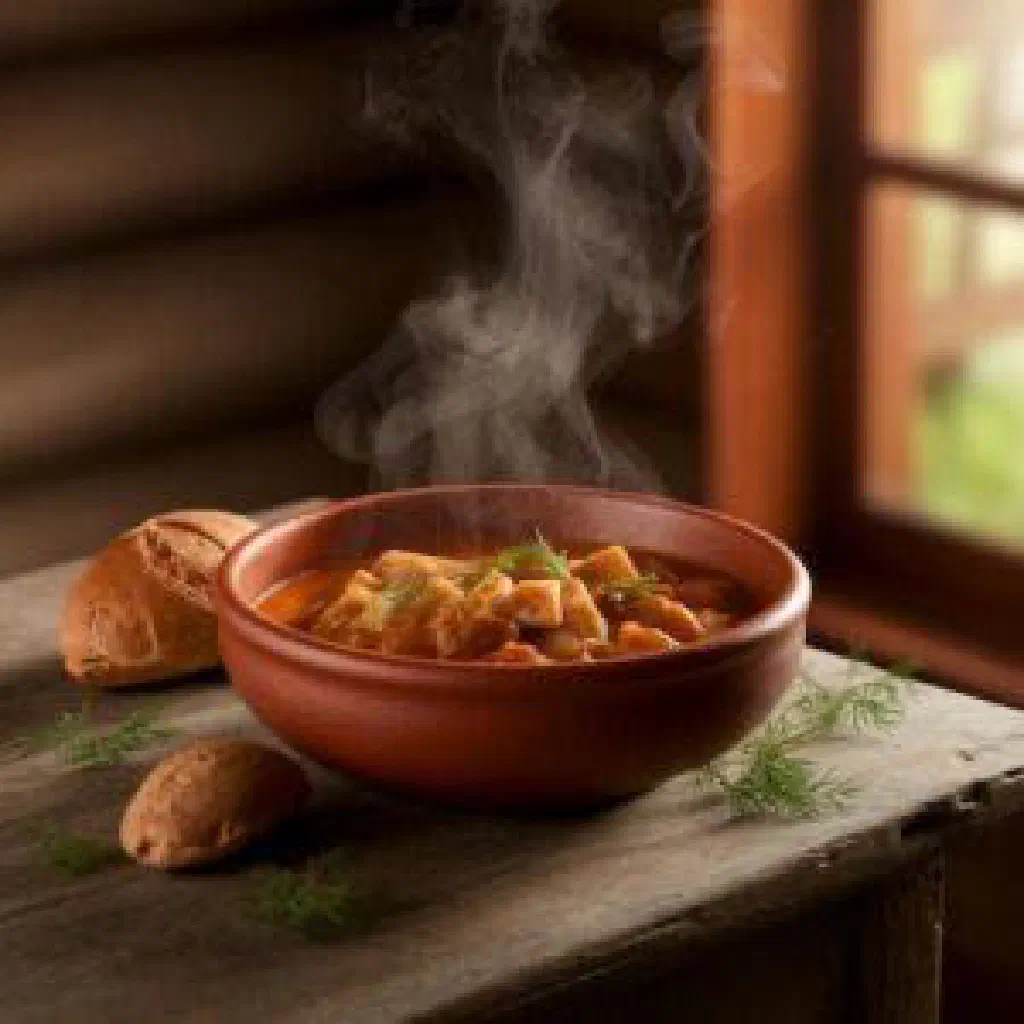
Meet Tsimmes, a comforting Russian classic that brings sweet and savoury together in one bowl. Tender carrots are gently stewed with dried fruit such as apricots and prunes, then warmed through with a whisper of cinnamon and honey. The result is rich, glossy and quietly festive, equally at home as a side dish or as a meal in its own right. It is a recipe steeped in tradition, and one that earns its place on any table.
About Tsimmes
Tsimmes is a traditional Russian dish celebrated for its harmonious blend of sweet and savoury flavours. This generous dish unites carrots, dried fruit such as apricots and prunes, and gentle spices into a memorable taste experience. It is often served as a side to festive dishes, though it is just as enjoyable as a main course. More than a simple pleasure for the palate, Tsimmes is a slice of Russian culture that has earned its place at the table.
Ingredients (serves 1–2)
- 2 large carrots
- 50 g prunes
- 50 g dried apricots
- 1 tablespoon honey or sugar
- 1 teaspoon cinnamon
- A pinch of salt
- 200 ml water or vegetable stock
Shopping for the ingredients
When preparing Tsimmes, it is well worth choosing high-quality ingredients. Look out for fresh, unsulphured dried fruit, as it delivers the most intense flavour. A visit to a health-food shop or a well-stocked supermarket is the best way to find the finest produce. The carrots should look crisp and fresh too, which makes all the difference to the finished dish.
Preparing the dish
Before you begin cooking, gather and prepare all of your ingredients. Wash the carrots thoroughly and peel them before cutting them into small cubes. The dried fruit needs a little attention as well; chop the prunes and apricots into small pieces so their flavours can mingle more easily. This careful groundwork ensures the dish cooks evenly and that the aromas come through at their best.
Step-by-step instructions
- Peel the carrots and cut them into small cubes.
- Chop the prunes and apricots into small pieces.
- Bring the carrots to the boil in a pan of water or vegetable stock.
- After 5 minutes, add the dried fruit, honey, cinnamon and a pinch of salt.
- Stir everything well and simmer gently over low heat for about 15 minutes, until the carrots are soft.
- Taste at the end and adjust the seasoning to your liking.
Gluten-free / lactose-free version
Tsimmes is naturally a gluten-free and lactose-free dish, as it contains no ingredients carrying either component. You can therefore enjoy it without a second thought, even if you live with a gluten or lactose intolerance. When buying your ingredients, always check that they are free from gluten, particularly with any processed products. That way everyone can savour this culinary treat to the full.
Tips for vegans and vegetarians
Tsimmes is an especially good choice for vegans, since no animal products are used. The dish adapts easily. Simply swap the honey for a plant-based sweetener such as agave syrup or maple syrup. It is a wonderful option for vegetarians too, as it does entirely without meat. The interplay of sweet and savoury notes makes for a wholesome, well-balanced meal.
More tips and tricks
To vary the flavour of Tsimmes, experiment with different spices such as cloves or nutmeg, which lend the dish an extra aromatic depth. You can also adjust the consistency by adding more or less liquid, depending on whether you prefer a thicker or thinner result. For a touch of acidity, a squeeze of lemon works beautifully. Small tweaks like these can transform the dish and make it truly your own.
Adapting the recipe to your taste
Tsimmes lends itself wonderfully to personal preference. You might add extra vegetables such as sweet potato or pumpkin to pack in even more nutrients. The choice of dried fruit can vary too; in place of the classic apricots and prunes, try raisins or figs for their distinctive flavours and aromas. Be creative and discover what suits your palate best, much as you would with a hearty plate of Shashlik.
Ingredient substitutions
If you do not have certain ingredients to hand, alternatives are easy to find. Parsnips can stand in for carrots, bringing their own gentle sweetness. Any dried fruit will work as a substitute, provided it is sweet. You might also consider natural sweeteners such as coconut sugar or stevia to sweeten the dish without reaching for refined sugar.
Drink pairing ideas
Several drinks complement Tsimmes nicely and round out its flavour. A fresh herbal tea, mint or chamomile for instance, harmonises beautifully with the sweetness of the carrots and dried fruit. A glass of Kompot, the traditional fruit drink, is another excellent way to complete the experience. For something more celebratory, a light red or white wine underlines the aromas and enriches the meal.
Serving and presentation ideas
Presentation can lift the whole Tsimmes experience considerably. Serve the dish in an attractive, colourful bowl to show off the vivid hues of the carrots and dried fruit. Garnish with fresh herbs such as parsley or coriander for an extra flash of colour and flavour. A little care with the plating turns any meal into a feast for the eyes as much as the palate.
A bit of history
Tsimmes has its origins in Jewish cuisine and forms part of many Russian family celebrations and festivals. The dish symbolises the union of sweet and savoury flavours and stands for sharing prosperity and joy within the community. Its preparation varies from region to region and from family to family, and it is often tied to cherished memories and traditions passed down through the generations. Tsimmes is therefore not only eaten but woven into the cultural identity of many people, a quiet point of pride in Russian cuisine.
More recipe ideas
Summary: Tsimmes
Tsimmes is a delicious, traditional Russian dish defined by its sweet and savoury aromas. With a selection of fresh ingredients and warming spices, it comes together as a harmonious combination that works equally well as a side or as a main course. It is ideal for anyone keen to explore the variety of Russian cooking. Enjoy a flavourful meal and a piece of cultural heritage with every bite.